


Best Formal Dresses for a Slim Hourglass Figure
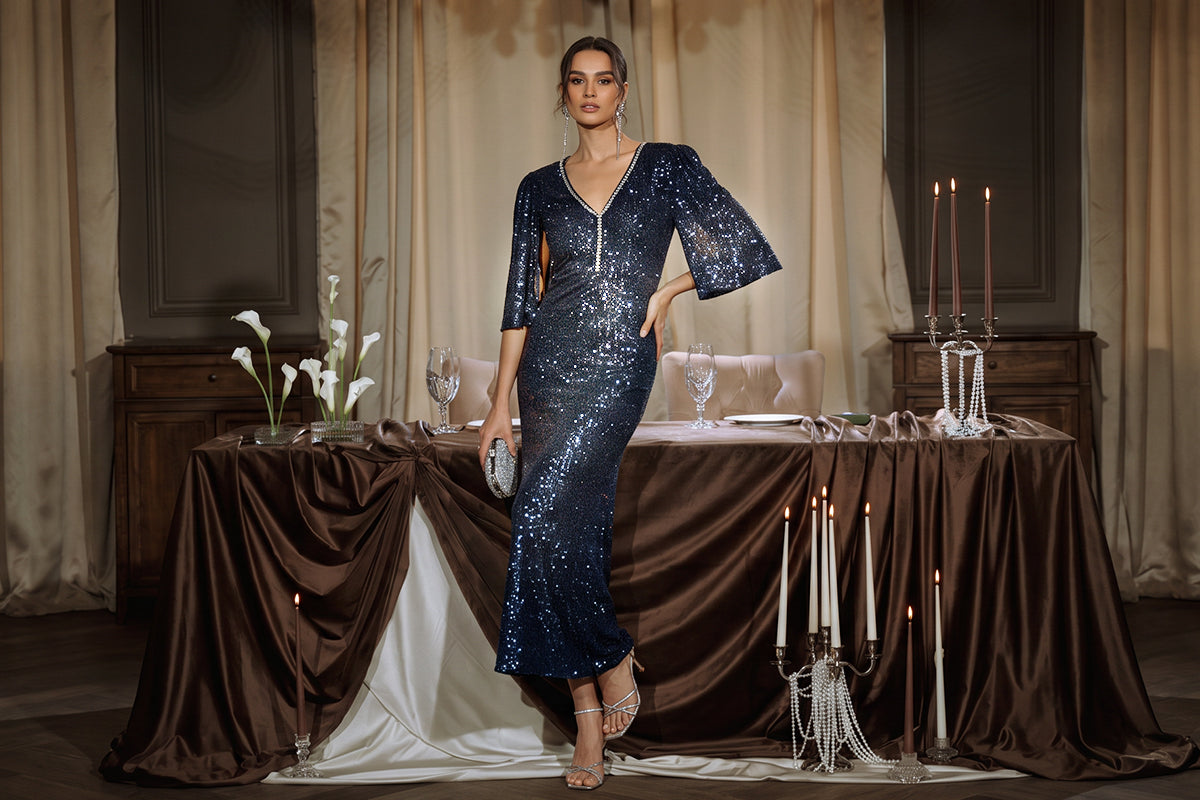
Formal dresses that define the waist while keeping the upper and lower body visually balanced often work especially well for a slim hourglass figure. V-neck, sweetheart, and square necklines work especially well, while sheath, mermaid, fit-and-flare, and bias-cut silhouettes can highlight natural curves without overwhelming a smaller frame.
The key is to create clear shape without relying on excessive volume or an overly tight waist. This guide explains how to choose the right neckline, silhouette, fabric, and styling details for a polished formal look that still feels proportionate.
How to Dress a Slim Hourglass Figure Without Losing Natural Proportion
A slim hourglass figure already has clear waist definition, so the goal is to preserve that balance rather than exaggerate it. Formal dresses should follow the natural waist and curves, maintain enough structure to hold their shape, and avoid concentrating too much volume on only the upper or lower body.
Keep the Bust and Hips Visually Balanced
Choose dresses that give the shoulders, bust, and hips similar visual weight. A defined neckline, softly shaped bodice, and skirt that follows or gently releases over the hips usually maintain the most balanced silhouette.
If the skirt has noticeable volume, a clearly shaped neckline or bodice can give the upper body enough visual definition to balance it. Likewise, a highly detailed neckline often works best with a cleaner skirt rather than additional volume around the hips.
Define the Waist Without Over-Cinching
Shaped seams, fitted waist panels, and narrow belts can emphasize the waist without creating an unnaturally sharp contrast. The dress should sit close to the body while still allowing comfortable breathing, sitting, and movement.
Very tight corseting or wide, rigid belts may shorten the torso and make the bust and hips appear larger by comparison. A smoother transition through the waist generally looks more refined on a slim frame.
Choose Details That Suit a Smaller Frame
Large bows, oversized ruffles, heavy sleeves, and broad embellishment can overpower a slender figure. Smaller-scale details, clean draping, narrow straps, controlled pleating, and well-placed beading tend to create definition without adding unnecessary bulk.
The placement of detail matters as much as its size. Concentrating interest at the neckline, shoulders, or waist can shape the silhouette, while evenly spreading heavy decoration across the entire dress may hide the natural hourglass line.
Best Necklines for Balancing the Bust, Shoulders, and Waist
The neckline influences how broad the shoulders appear, how much visual space the bust occupies, and where the eye is drawn on the upper body. For a slim hourglass figure, the most effective necklines frame the bust clearly without making the shoulders look too narrow or pulling attention away from the waist.

V-Necklines for a Longer Upper Body
A V-neckline creates a vertical line through the center of the torso, making the neck and upper body appear longer. It works especially well when the bodice is fitted and the skirt follows the natural hip line.
The depth of the V should match the dress’s formality and the amount of bust coverage needed. A moderate V usually feels balanced, while a very deep or narrow V may make an already long torso appear even longer.
Sweetheart Necklines for Soft Definition
A sweetheart neckline follows the curve of the bust and creates gentle definition without relying on heavy structure. It can add softness to sheath, mermaid, and fit-and-flare dresses while keeping attention near the center of the body.
Look for a smooth, well-fitted bodice that stays close to the chest. Boning, molded cups, or secure straps can improve support and keep the neckline from shifting or pulling away from the body. Off-the-shoulder sleeves or subtle draping can add visual balance, but they should not replace proper bodice construction.
Square Necklines for Structured Balance
A square neckline creates clear horizontal and vertical lines, giving the shoulders and upper chest more visual structure. It can be particularly flattering when the shoulders are narrow or the dress has a streamlined skirt.
The width of the neckline matters. A moderately wide square neckline can balance the hips, while a very wide or low-cut version may make the upper body appear broader than intended.
|
Neckline |
Main Visual Effect |
Works Especially Well With |
What to Check |
|
V-Neck |
Lengthens the neck and torso |
Sheath and bias-cut dresses |
Avoid an overly deep or narrow V |
|
Sweetheart |
Softly frames and defines the bust |
Mermaid and fit-and-flare dresses |
Check bust support and prevent gaping |
|
Square |
Adds structure across the shoulders |
Fitted bodices and clean skirts |
Keep the width proportionate to the shoulders |
Formal Dress Silhouettes That Define the Waist Without Overwhelming a Slim Frame
The best formal silhouettes for a slim hourglass figure follow the natural waist and hips without adding unnecessary bulk. The right choice depends on how closely the dress fits, where the skirt begins to widen, and whether the fabric provides enough support to maintain a clean shape.

Fitted Sheath Dresses for Clean Definition
A sheath dress follows the torso and hips in one continuous line, making it a strong option for highlighting natural proportion. Styles with waist darts, princess seams, or a shaped side seam provide definition without requiring a tight belt.
The fit should skim rather than compress. Check for horizontal pulling across the bust, waist, or hips, as these lines usually indicate that the dress is too narrow through that area or needs alteration for a more balanced fit.
Mermaid Dresses for Natural Curves
A mermaid dress stays fitted through the waist and hips before widening near the knee or lower thigh. This shape can emphasize an hourglass figure while creating enough volume at the hem for a formal setting.
The flare should begin low enough to preserve the hip line but not so low that walking becomes difficult. Softer mermaid skirts generally suit a slim frame better than heavily layered or extremely dramatic versions.
Fit-and-Flare Dresses for Balanced Volume
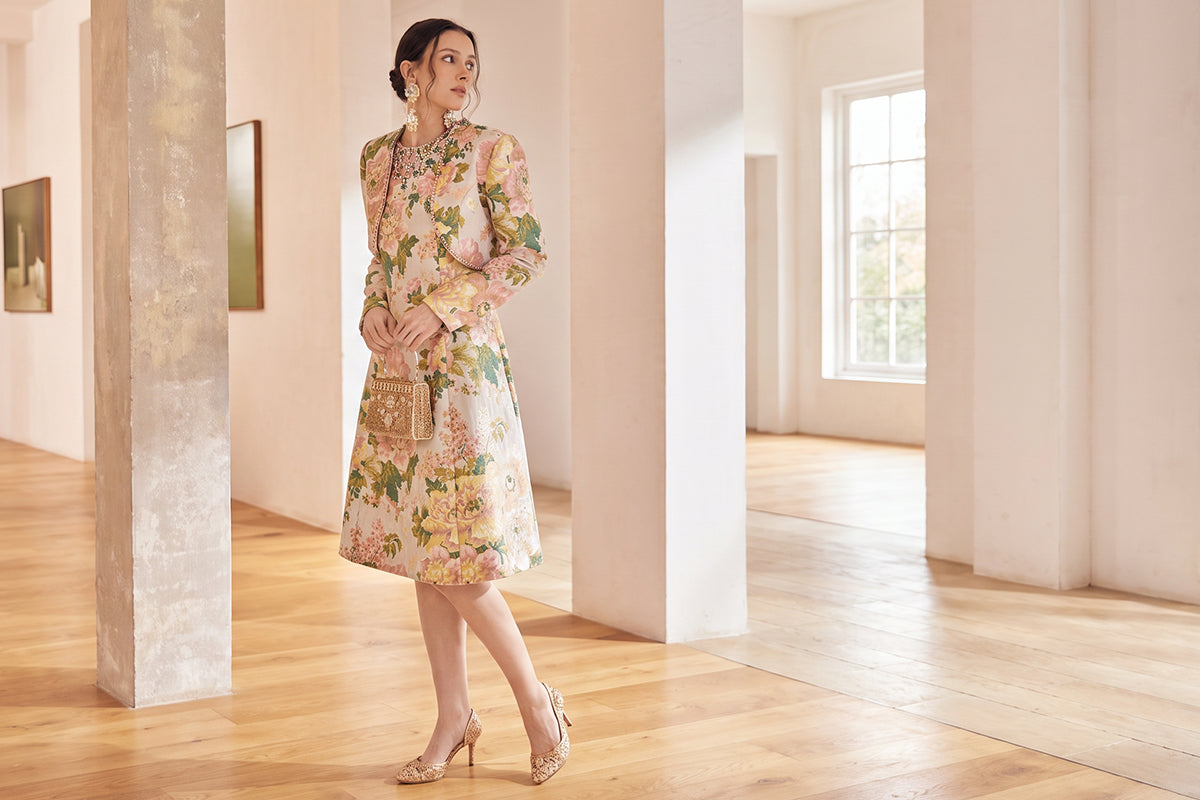
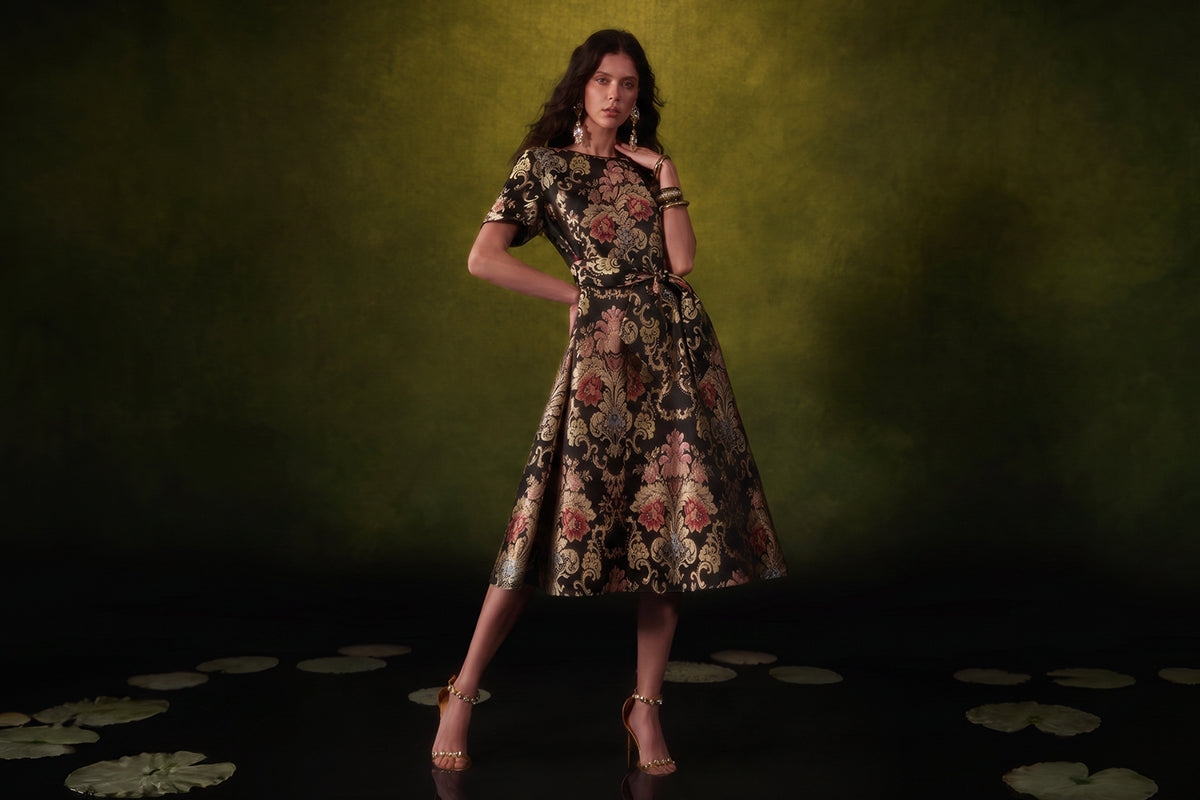
A fit-and-flare dress defines the bodice and waist before opening into a fuller skirt. It works especially well when the skirt volume is controlled and balanced by a clearly shaped neckline or shoulder line.
Look for:
- A waist seam that sits at the natural waist
- Pleats or gathers that lie flat before opening
- A skirt with movement rather than excessive stiffness
- A hem length that suits the event’s level of formality
Bias-Cut Dresses for a Fluid Shape
Bias-cut dresses are cut diagonally across the fabric grain, allowing them to follow the body with softer, more fluid movement. They can highlight the waist and hips without the rigid construction of a fitted sheath or mermaid dress.
Because bias-cut fabric can cling or distort, choose material with enough weight and either a compatible lining or a smooth slip that moves with the outer fabric. The side seams should hang straight without twisting, and the fabric should remain smooth across the hips after sitting rather than forming horizontal strain lines.
|
Silhouette |
How It Defines the Figure |
Best Feature to Look For |
Potential Fit Issue |
|
Sheath |
Follows the waist and hips in a clean line |
Princess seams or shaped darts |
Pulling lines may make the fit look too tight |
|
Mermaid |
Emphasizes the waist and hips before flaring |
A controlled flare beginning near the knee |
Excessive volume may overwhelm a smaller frame |
|
Fit-and-Flare |
Defines the waist and balances it with skirt volume |
Flat pleats or a softly structured skirt |
Bulky gathers can widen the waist |
|
Bias-Cut |
Uses fluid drape to trace natural curves |
Medium-weight fabric with a smooth lining |
Thin fabric may cling or stretch out of shape |
How Fabrics, Seaming, and Styling Details Affect the Hourglass Shape
Even a well-chosen silhouette can lose definition if the fabric collapses, the seams sit poorly, or the waist details add too much visual weight. For a slim hourglass figure, the most effective construction follows the natural curves while keeping the transition between the bust, waist, and hips smooth.
Structured Fabrics for Clear Definition
Matte crepe, jacquard, lighter taffeta blends, duchess satin, and other shape-holding fabrics can help a formal dress maintain a clear outline without requiring an extremely tight fit. They work especially well for fitted bodices, shaped waists, and skirts that need controlled volume.
Structure should still allow movement. Fabrics that are too stiff may sit away from the body or create sharp folds at the waist, while very thin materials may collapse into the natural curves and reveal every seam underneath. A smooth lining can improve both drape and comfort.
Princess Seams for a Closer Fit
Princess seams run vertically through the bodice and may continue into the skirt, allowing more precise shaping through the bust and waist. They can reduce reliance on a strong horizontal waist seam and create a longer visual line.
Check that the seams follow the body symmetrically and lie flat. If the seams pull toward the bust, bow away from the waist, or distort through the lower dress, the garment may need alteration rather than a tighter size.
Belts and Waist Panels for Emphasis
A narrow belt or fitted waist panel can highlight an hourglass shape, but it should reinforce the natural waist rather than create an exaggerated break in the torso. Tonal details usually produce a smoother effect, while contrasting belts create a stronger visual division.
The width and placement matter:
- Narrow or medium-width belts often suit a shorter torso, provided they do not visually divide the body too sharply
- Softly shaped waist panels create definition without compression
- Wide, rigid belts may shorten the upper body
- Heavy embellishment at the waist can make the center of the dress appear visually crowded
The most flattering detail should sit securely at the natural waist and remain comfortable while sitting, breathing, and moving.
Conclusion
The final fit matters more than choosing one supposedly perfect neckline or silhouette. A formal dress should remain balanced while standing, sitting, walking, and turning, without gaping at the bust, pulling across the hips, or requiring repeated adjustment at the waist. When the dress follows the natural proportions and moves comfortably, it can define an hourglass shape without exaggerating it.


Leave a comment
This site is protected by hCaptcha and the hCaptcha Privacy Policy and Terms of Service apply.