


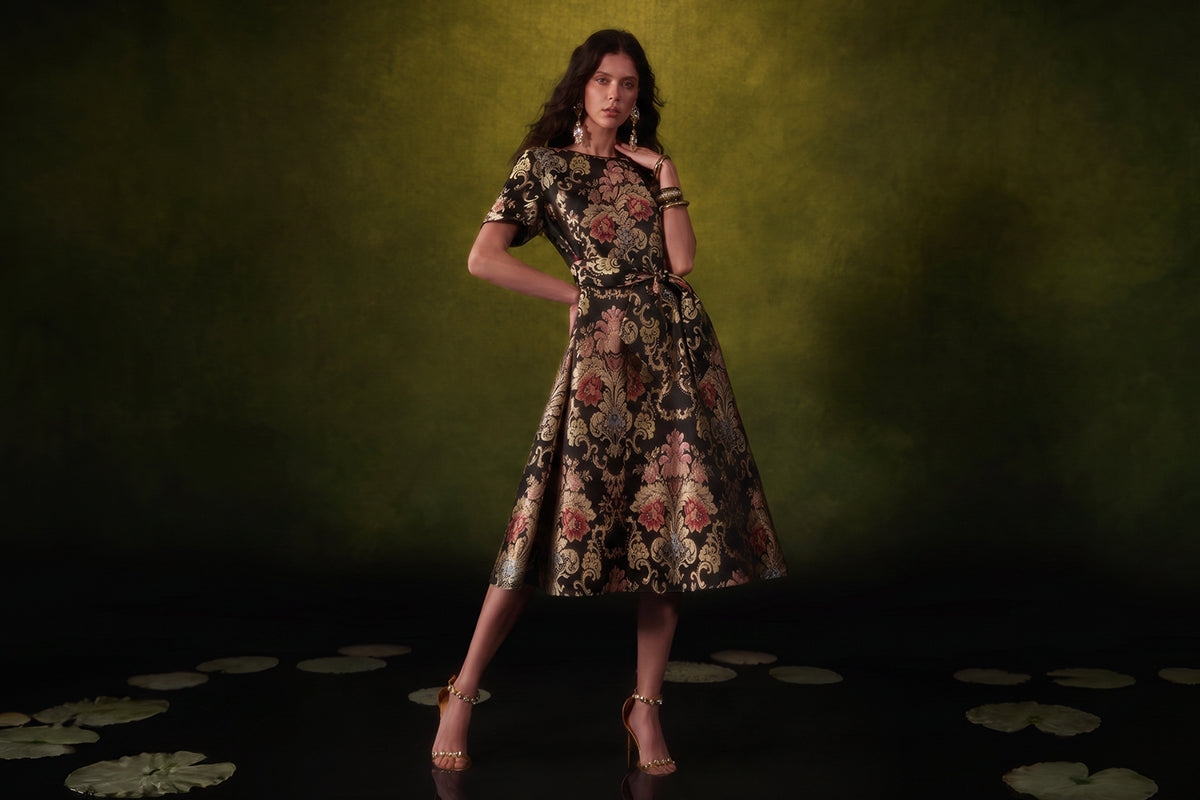
Elegant Outfits for Wide Hips: How to Balance Your Proportions
For wide hips, outfits that define the waist, skim rather than cling to the hips, and add visual structure to the upper body often create a more balanced silhouette. A-line, fit-and-flare, wrap, and carefully cut empire-waist dresses can work well, while wide-leg trousers and structured jumpsuits create a smoother line from the hips to the hem.
The goal is to work with the body’s natural proportions rather than conceal the hips. This guide explains which silhouettes fall cleanly over the lower body and how necklines, sleeves, and jackets can strengthen the overall shape.
Why Some Outfit Proportions Make Wide Hips Look More Prominent
Wide hips may appear more pronounced when an outfit concentrates visual weight below the waist without creating enough definition through the upper body. The overall effect is influenced by seam placement, volume, color contrast, and garment length, not simply by hip width.

Low-rise bottoms and dropped waistlines can visually lengthen the torso while making the widest part of the hips more noticeable. Tops or jackets that end directly at the fullest point may also create a horizontal line that draws the eye across that area.
Other details that can affect proportion include:
- Bulky pockets, ruffles, or high-contrast prints placed at the hips
- Narrow shoulders paired with heavily gathered skirts or heavily pleated trousers
- Thin fabrics that pull across the hips instead of falling cleanly
- Oversized clothing that hides the waist but adds volume around the lower body
A more balanced outfit maintains a visible waist, keeps the fabric smooth through the hips, and distributes visual interest across the shoulders, neckline, or upper torso.
Best Dress and Jumpsuit Silhouettes for Balancing Wide Hips
The most effective silhouettes create shape at the waist, allow enough room through the hips, and keep the lower half from looking visually heavy. The key is where the garment begins to widen and whether the upper body has enough structure to balance that volume.

A-Line Dresses for Gentle Hip Skimming
An A-line dress follows the upper body and gradually widens below the waist, allowing the fabric to pass smoothly over the hips. It creates definition without closely tracing the widest area.
Choose a style with a clean bodice and a gradual flare rather than heavy gathers at the waist. Princess seams, matte crepe, and softly structured fabrics can help the skirt maintain a polished line.
Fit-and-Flare Dresses for Waist Definition
Fit-and-flare dresses define the bodice and waist before opening into a fuller skirt. This creates a clear transition between the upper and lower body while allowing comfortable movement through the hips.
The skirt volume should remain controlled. Flat pleats or gentle panels usually create a cleaner shape than stiff layers or dense gathering that begins directly at the waist.
Wrap Dresses for Adjustable Proportion
Wrap dresses use a side tie and diagonal neckline to shape the torso while allowing adjustment at the waist. Sufficient skirt overlap can also provide more comfortable room through the hips. The diagonal lines can also draw attention upward and create a longer visual path across the body.
Look for:
- A tie positioned at the natural waist
- Enough skirt overlap for sitting and walking
- Medium-weight fabric that drapes without clinging
- A neckline that stays secure without repeated adjustment
Empire-Waist Dresses for a Longer Line
An empire-waist dress releases the skirt beneath the bust, reducing pressure around the natural waist and hips. A smooth front and controlled skirt width can create a longer line, particularly when the fabric falls vertically rather than gathering heavily beneath the bust.
Avoid excessive gathering under the bust, which may add unnecessary volume through the torso. A gently shaped bodice and controlled skirt width usually produce a more refined result.
Wide-Leg Jumpsuits for Balanced Volume
Wide-leg jumpsuits distribute volume from the hips through the full length of the trousers instead of concentrating it at the widest point. A defined waist and fluid wide legs can create a longer, more continuous silhouette.
The leg should fall straight from the hip without pulling across the seat. Check the rise, pocket placement, and fabric weight, since short rises or bulky side pockets can disrupt the line.
Structured Jumpsuits With Defined Shoulders
A jumpsuit with a shaped shoulder line, fitted bodice, or tailored sleeve adds visual definition to the upper body. This can balance wider hips without requiring exaggerated padding or oversized details.
Choose moderate shoulder structure and a waist that remains clearly positioned. A strongly defined shoulder paired with a very narrow tapered leg may leave the hips as the widest point of the lower body. Straight or gently wide legs usually create a smoother transition from hip to hem.
|
Silhouette |
How It Balances the Figure |
Best Detail to Look For |
Potential Fit Issue |
|
A-Line Dress |
Gradually releases over the hips |
Princess seams or a smooth waist |
Heavy waist gathers may add bulk |
|
Fit-and-Flare Dress |
Defines the waist and adds controlled skirt volume |
Flat pleats or panel construction |
An overly stiff skirt may dominate the frame |
|
Wrap Dress |
Uses diagonal shaping and an adjustable waist |
Secure side tie and sufficient overlap |
Thin fabric may pull across the hips |
|
Empire-Waist Dress |
Creates a continuous line below the bust |
Minimal front gathering |
Excess fullness may hide the body’s shape |
|
Wide-Leg Jumpsuit |
Extends volume evenly from hip to hem |
Fluid wide legs and a well-fitted rise |
Bulky pockets may widen the hip area |
|
Structured Jumpsuit |
Adds upper-body definition |
Shaped shoulders and a clear waist |
Excessive shoulder structure may overpower the torso |
How Tops, Necklines, and Jackets Create Upper-Body Balance
Upper-body details can change how the entire silhouette is read. The goal is to create enough visual presence around the shoulders and neckline so the figure feels balanced, without relying on excessive padding or oversized volume.

Boat and Square Necklines for Added Width
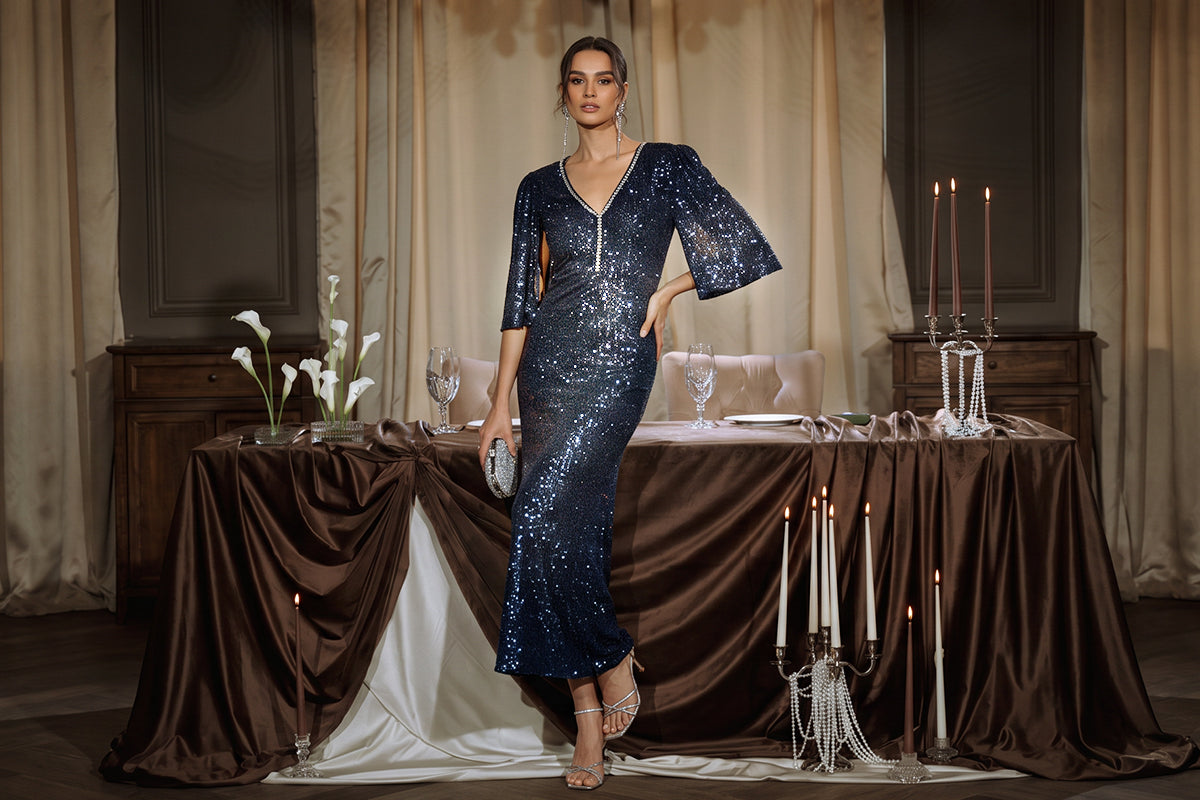
Boat necklines extend horizontally across the collarbone, while square necklines create clear width through the upper chest and shoulders. Both can help balance wider hips by giving the upper body a stronger visual frame.
The neckline should remain proportionate to the shoulders. A very wide boat neckline may slip, expose undergarment straps, or make the shoulder line appear broader than intended, while an overly low square neckline can shift attention away from the overall shape.
Statement Sleeves for Shoulder Balance
Soft puff sleeves, gathered shoulder details, and lightly structured short sleeves can add controlled volume near the shoulders. They work best when the sleeve shape begins high on the arm and tapers before reaching the waist.
Avoid heavy volume that continues through the entire sleeve, as this may overwhelm the torso. A smaller sleeve detail usually creates better balance while keeping the waist visible.
Structured Shoulders for Clear Definition
A defined shoulder line gives the upper body clearer width and helps it relate more evenly to the hips. Light tailoring, shaped seams, and subtle shoulder structure often work better than dramatic pads.
The shoulder seam should sit close to the natural shoulder edge. If it extends too far outward, the outfit may appear boxy and reduce waist definition.
Waist-Length Jackets for Better Proportion
A jacket that ends near the natural waist can emphasize the narrowest part of the torso and prevent the upper layer from cutting across the fullest part of the hips. Cropped blazers, fitted boleros, and short tailored jackets can all create this effect.
The hem should sit clearly above the widest area rather than ending directly on it. A gently shaped jacket also works better than a stiff, boxy style that adds width without defining the waist. Longer jackets can also work when the hem extends clearly below the widest part of the hips. The least useful length is often one that stops directly across the fullest area.
Conclusion
The final fit matters more than following one fixed dressing rule. Check the outfit while standing, sitting, and walking: the waistband should remain comfortable, the fabric should fall cleanly from the hips, and the upper-body details should stay proportionate rather than overpowering the frame. An outfit that moves without pulling or repeated adjustment will usually create the most polished result.


Leave a comment
This site is protected by hCaptcha and the hCaptcha Privacy Policy and Terms of Service apply.