


Wedding Guest Dresses That Hide Belly: Flattering Style Ideas
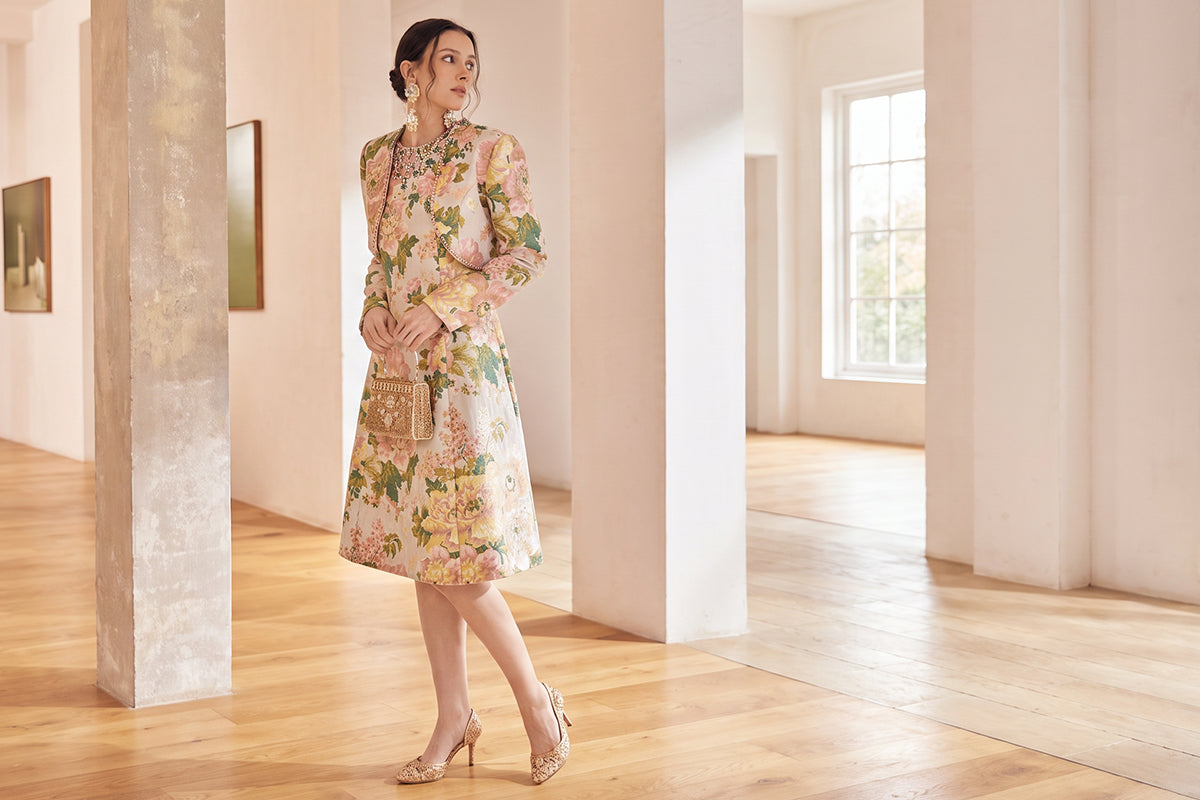
If you want a wedding guest dress that smooths the lower belly, look for A-line, empire-waist, wrap, trapeze, or softly tiered dresses that skim the body instead of clinging to it. Draping, ruching, raised waistlines, and carefully structured fabrics can create a defined silhouette while allowing the dress to skim the stomach rather than press against it.
The goal is to choose a dress that feels elegant and comfortable rather than overly tight or bulky. This guide explains which silhouettes offer the most flattering coverage, which details help redirect attention, and which fabrics are more likely to create a smooth, polished finish.
Why Some Wedding Guest Dresses Emphasize the Lower Belly
An outfit may draw more attention to the lower belly when the fabric, waist placement, or decorative details create tension across that area. The issue is often less about body shape and more about how the garment falls, stretches, and divides the silhouette.

Clingy Fabrics Across the Stomach
Thin jersey, unlined satin, and highly fluid fabrics may follow every contour, especially after sitting or moving. A glossy finish can make contours more noticeable by creating stronger highlights and shadows across the stomach.
A slightly heavier fabric with a matte finish usually skims the body more smoothly. A lining can also prevent the outer fabric from clinging to underwear or shapewear.
Waist Seams in the Wrong Position
A waist seam that sits directly across the fullest part of the stomach can create a horizontal break and make the midsection appear more defined. Low waistlines may also pull tightly across the lower belly, while very rigid natural-waist seams can create pressure above and below the seam.
Raised waistlines, adjustable wrap ties, and gently shaped seams often provide more room and create a longer, smoother line.
Tight Fits Without Enough Structure
A close-fitting dress can still be flattering when the fabric and construction provide support. Problems occur when a tight cut is combined with thin, stretchy material that pulls across the waist and hips without holding its shape.
Look for darts, panel seams, lining, or moderate fabric weight. These details help define the silhouette without requiring the dress to fit tightly around the stomach.
Details That Draw Attention to the Belly
Horizontal bands, bulky pockets, large bows, contrasting waist panels, and concentrated embellishment can make the eye stop at the midsection. Gathering may also add volume when it is placed directly at the center front.
Diagonal draping, side ruching, vertical seams, or details near the neckline and shoulders can redirect attention while keeping the overall outfit balanced.
Best Dress Shapes for Hiding a Lower Belly
The most effective dress shapes create definition above or around the waist while allowing the fabric to fall cleanly over the lower stomach. The best option depends on where the dress begins to widen, how much volume it adds, and whether the silhouette remains balanced from the shoulders to the hem.

A-Line Dresses With a Skimming Fit
An A-line dress follows the upper body and gradually widens below the waist, creating space through the stomach and hips without looking oversized. Styles with princess seams or a softly shaped bodice usually provide a cleaner fit than dresses that flare abruptly from a rigid waistband.
For weddings, midi-length A-line dresses in crepe, jacquard, or lined chiffon can maintain a polished shape while remaining comfortable through a seated meal.
Empire-Waist Dresses With Gentle Coverage
Empire-waist dresses place the seam beneath the bust, allowing the skirt to fall freely over the waist and lower belly. They can be especially useful when pressure around the natural waist feels uncomfortable.
Choose a gently shaped bodice and a skirt with controlled fullness. Excessive gathering directly below the bust can add unnecessary volume, while a smoother front creates a longer, more refined line.
Wrap Dresses With Adjustable Draping
Wrap dresses allow the waist to be adjusted and use diagonal lines to shape the torso. A wrap that closes securely at the side can create definition without requiring a tight fit across the stomach.
Look for:
- A side tie positioned near the natural waist or slightly above it
- Enough overlap to prevent the skirt from opening while seated
- A neckline that stays secure when bending or dancing
- Fabric with enough weight to drape rather than cling
Trapeze Dresses With an Elegant Flow
A trapeze dress falls outward from the shoulders or upper chest, leaving the waist largely undefined. This makes it comfortable and easy to wear, particularly for outdoor, destination, or less formal weddings.
To keep the shape elegant, choose a controlled flare rather than extreme volume. A defined shoulder line, statement earrings, or a polished neckline can add structure and prevent the dress from appearing shapeless.
Peplum Dresses With Strategic Volume
A peplum can soften the lower-belly area when the flare begins above it and falls smoothly over the front. Asymmetrical or gently draped peplums are often easier to wear than stiff, horizontal ruffles.
The hem of the peplum should finish below the fullest part of the stomach rather than ending directly across it. This creates a continuous line into the skirt instead of visually dividing the midsection.
Tiered Dresses That Avoid Clinging
Tiered dresses offer movement and room through the body, but the placement of the first tier is important. A tier beginning below the stomach can create a smooth upper section, while gathering placed directly at the waist may add bulk.
Choose softly falling tiers with moderate volume. Smaller tiers or tonal fabrics generally look more refined for weddings than oversized ruffles or highly contrasting layers.
|
Dress Shape |
How It Skims the Midsection |
Best Feature to Look For |
Potential Fit Issue |
|
A-Line |
Gradually widens below the waist |
Princess seams or a smooth bodice |
A rigid waistband may cut across the stomach |
|
Empire-Waist |
Releases fabric below the bust |
Minimal gathering at the front |
Too much fullness can overwhelm the frame |
|
Wrap Dress |
Uses adjustable and diagonal shaping |
Secure side tie and sufficient overlap |
Thin fabric may cling beneath the wrap |
|
Trapeze |
Falls freely from the upper body |
Defined shoulders or neckline |
Excess volume may appear shapeless |
|
Peplum |
Adds controlled volume over the waist |
Peplum ending below the fullest area |
A short, stiff ruffle may emphasize the belly |
|
Tiered Dress |
Keeps fabric away from the body |
First tier positioned below the stomach |
Gathering at the waist may add bulk |
How Draping, Ruching, and Waist Placement Create Better Coverage
Draping and gathering only improve coverage when their placement and tension are carefully controlled. The most effective details distribute fabric evenly, remain balanced when seated, and avoid creating a new horizontal line across the fullest part of the stomach.

Side Ruching Across the Lower Belly
Side ruching introduces soft folds that give the fabric more room across the stomach. It works best when the gathering begins near the side seam and spreads gradually across the front. The folds should remain evenly distributed while standing and seated; overly tight ruching may bunch, create tension lines, or feel restrictive.
Diagonal Draping for Visual Distraction
Diagonal draping moves the eye across the torso instead of allowing it to settle on one horizontal area. Draping that travels from the waist toward the opposite hip can also create gentle definition without pressing directly against the lower belly.
Choose broad, controlled folds rather than narrow, tightly packed pleats that may add bulk. Clean draping usually photographs better and is less likely to bunch after sitting.
Raised Waistlines for More Room
A waistline positioned slightly above the natural waist allows the fabric to release before reaching the fullest part of the stomach. Unlike a full empire waist, it still defines the torso close to its natural proportions.
The placement should still feel proportionate to the bodice. A seam that sits too high or gathers too heavily can shorten the torso and add unnecessary volume beneath the bust.
Front Panels and Layered Overlays
A softly structured front panel can help the dress maintain a clean line, while an asymmetrical overlay adds movement and softens the outline beneath it. These details are especially useful in fitted or column-style dresses.
Look for panels and overlays that lie flat at the edges. Thick seams, short flaps, or layers ending across the widest area may create a visible horizontal break.
Prints and Textures That Reduce Definition
Low-contrast prints and subtle textures make individual folds and contours less noticeable by breaking up the surface of the dress. Abstract patterns, tonal florals, jacquard, and lightly textured crepe can provide this effect without looking overly busy.
Print placement still matters. Avoid isolated motifs or high-contrast shapes centered directly over the stomach; evenly distributed patterns generally create a more balanced finish.
Conclusion
A flattering wedding guest dress should allow you to sit, walk, eat, and dance without repeatedly adjusting the waist or stomach area. Prioritize a balanced silhouette and secure fit over choosing the loosest possible dress. A style that hangs cleanly and remains comfortable in motion will usually work better than one that only looks smooth while standing still.



Leave a comment
This site is protected by hCaptcha and the hCaptcha Privacy Policy and Terms of Service apply.