

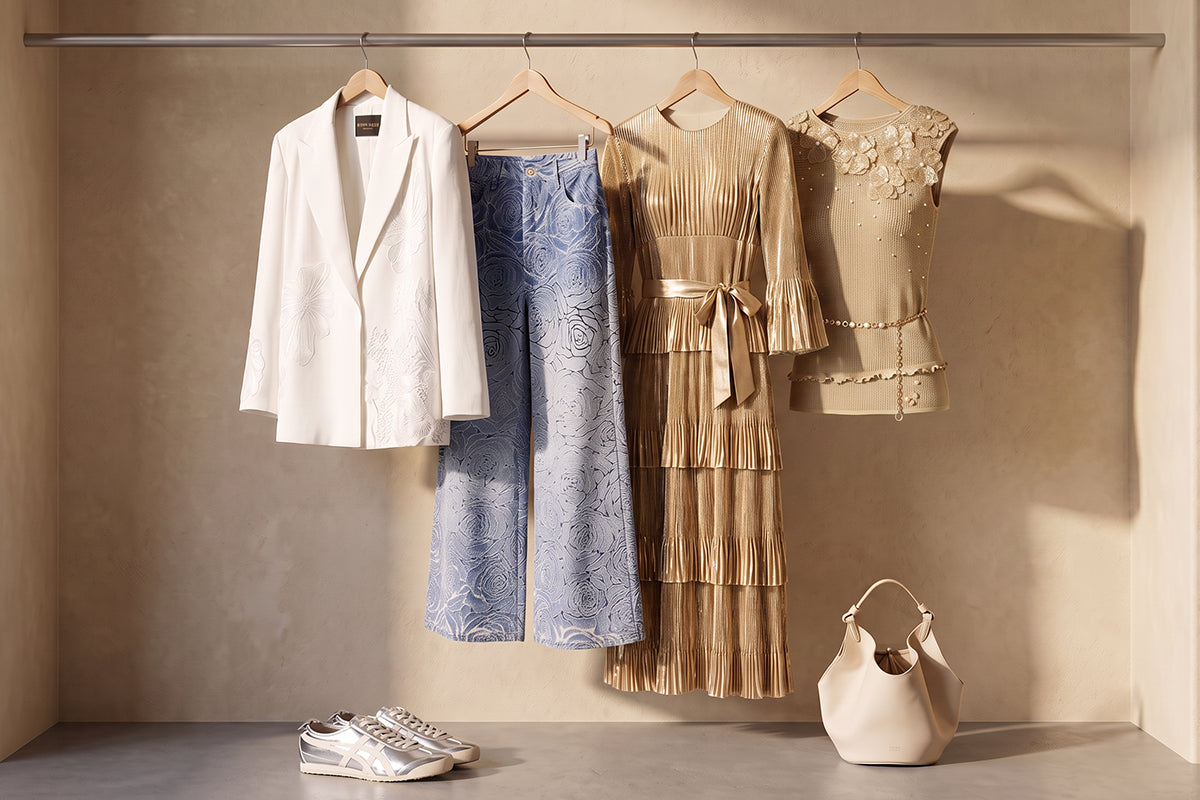
ملابس أنيقة للنساء فوق الخمسين: أفكار عصرية وأنيقة للأزياء
قد يصبح ارتداء الملابس في الخمسينات من العمر أكثر تعقيدًا مما كان عليه في السابق. قد ترغب في ارتداء ملابس أنيقة ومريحة، ولكنها لا تزال تبدو عصرية بدلاً من أن تكون محافظة بشكل مفرط أو تتبع الموضة بشكل كبير.
عادةً ما تعتمد الأزياء الأنيقة في الخمسينات من العمر على عدد قليل من الخيارات العملية: قصات أنيقة، أقمشة مريحة، نسب حديثة، وتفاصيل تعكس أسلوبك الشخصي. يمكن أن تكون السراويل المصممة، والسترات الفضفاضة، وفساتين الميدي، وبنطلونات الجينز المستقيمة، والأحذية المسطحة المصقولة مناسبة للملابس اليومية، والعمل، والسفر، والمناسبات الخاصة. يشارك هذا الدليل أفكارًا عملية للأزياء وأساسيات خزانة الملابس التي تجعل ارتداء الملابس أسهل وأكثر شخصية.
ما الذي يجعل الزي يبدو عصريًا وأنيقًا بعد سن الخمسين؟
يأتي الأسلوب العصري بعد سن الخمسين من النسب المدروسة، والخطوط النظيفة، والملابس التي تناسب أسلوب حياتك الفعلي. يبدو الزي عصريًا عندما تكون القصة متعمدة، وتبدو النسب متوازنة، وتعكس بعض التفاصيل المختارة جيدًا الاتجاهات الحالية.
ابدأ بالأسلوب الشخصي بدلاً من قواعد العمر
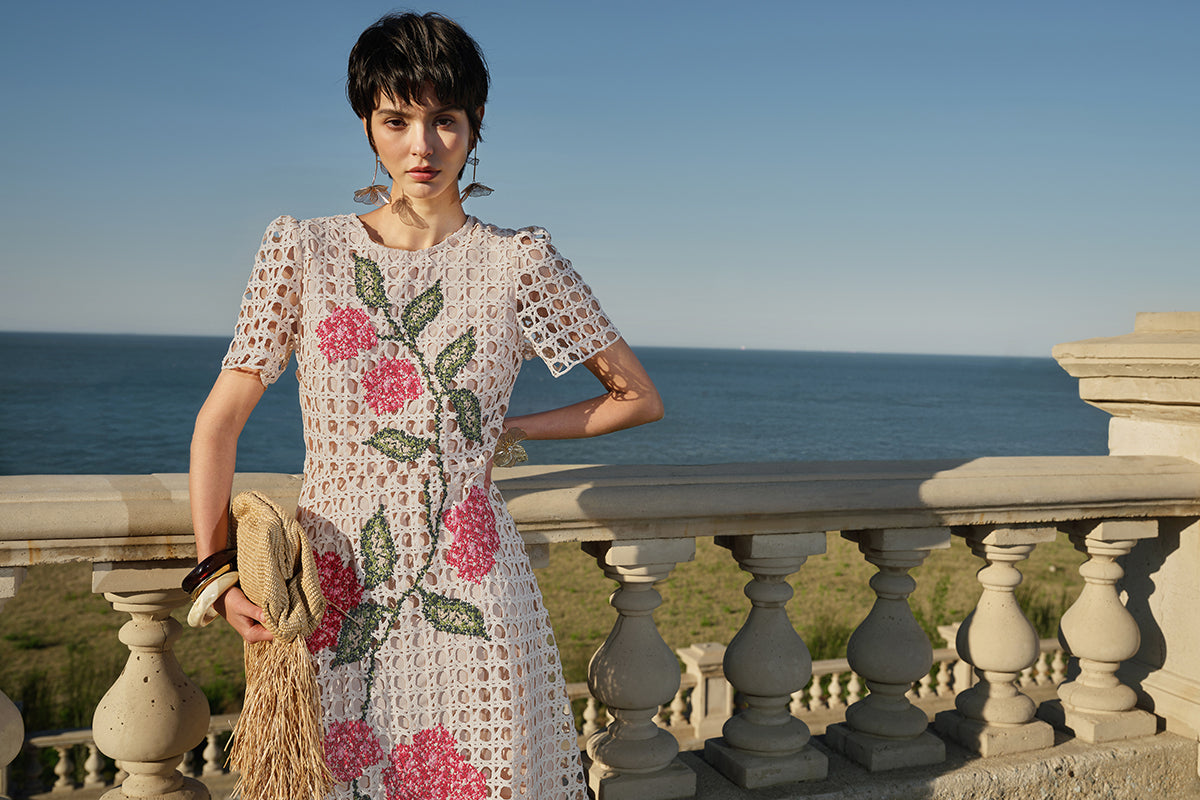
اختر القطع التي تعكس طريقة ارتدائك المفضلة بالفعل، سواء كان ذلك يعني الخياطة البسيطة، أو الألوان المحايدة الهادئة، أو الألوان الجريئة، أو المطبوعات الأنثوية. تعامل مع نصائح الموضة القائمة على العمر كمرجع بدلاً من قاعدة صارمة.
حافظ على العناصر التي تستمتع بها، ولكن حدث طريقة تنسيقها. قد تبدو بلوزة مطبوعة مفضلة أكثر حيوية مع بنطلون مستقيم وحذاء لوفر بسيط بدلاً من سترة رسمية، وقلادة مميزة، وحذاء أنيق جميعها معًا.
وازن بين الراحة والهيكل والشكل
تبدو الملابس المريحة أكثر أناقة عندما يكون جزء واحد على الأقل من الزي محددًا. نسق السراويل المريحة مع كنزة محبوكة ضيقة، أو فستانًا بسيطًا مع سترة قصيرة، أو تي شيرت ناعم مع سترة مصممة.
انتبه إلى درزات الأكتاف، وموضع الخصر، وطول الأكمام، وحواف السراويل. غالبًا ما تحدث تعديلات بسيطة في القصة فرقًا أكبر من شراء ملابس باهظة الثمن.
اجمع بين القطع الخالدة والاتجاهات الحالية
استخدم القطع الكلاسيكية كأساس، ثم أضف تفصيلاً عصريًا أو اثنين. يمكن أن تبدو القميص الأبيض، أو الجينز الداكن، أو التنورة الميدي عصرية مع أحذية محدثة، أو حقيبة معاصرة، أو مزيج ألوان منعش.
اختر الاتجاهات التي تتناسب مع خزانة ملابسك بدلاً من استبدالها. يمكن أن تنعش السراويل ذات الأرجل الواسعة، أو الأحذية المسطحة المعدنية، أو الألوان الموسمية الغنية الأزياء المألوفة دون أن تبدو مصطنعة أو مفرطة في اتباع الاتجاهات.
أساسيات خزانة الملابس الأساسية للنساء في الخمسينات من العمر
يجب أن تجعل خزانة الملابس العملية ارتداء الملابس اليومي أسهل، بدلاً من أن تمنحك المزيد من القطع لإدارتها. ركز على الملابس التي تناسبك جيدًا، ويمكن تنسيقها بسهولة، وتعمل في عدة أماكن.

تي شيرتات وقمصان وبلوزات ذات قصة جيدة
اختر البلوزات التي تستقر بسلاسة على الأكتاف وتنسدل على الجسم دون أن تشد عبر الصدر أو تلتصق بالخصر. يمكن أن يجعل خط العنق النظيف وطول الكم المناسب حتى القميص الأساسي يبدو أنيقًا.
تشمل الخيارات المفيدة:
- تي شيرت غير شفاف، متوسط الوزن أبيض أو محايد
- قميص بأزرار مع مساحة كافية عبر الصدر
- بلوزة ناعمة يمكن دسها أو ارتداؤها فضفاضة
- كنزة محبوكة رفيعة للارتداء تحت السترات
للحصول على قصة مريحة وفضفاضة، ابحث عن مساحة عبر الجسم مع الحفاظ على بعض التحديد عند الأكتاف أو خط العنق أو الأكمام. هذا يمنع الجزء العلوي من أن يبدو عديم الشكل.
جاكيتات، سترات صوفية، وجاكيتات خفيفة الوزن
تضيف الطبقة الثالثة هيكلًا ويمكن أن تجمع الزي بسرعة. ابحث عن الجاكيتات التي تسمح بحرية الحركة ولكن لا تزال تخلق خط كتف واضح.
قد تشمل خزانة الملابس المتعددة الاستخدامات:
- جاكيت بصف واحد من الأزرار ينتهي حول الورك
- سترة صوفية بطول الخصر للفساتين والسراويل ذات الخصر العالي
- جاكيت ترنش خفيف الوزن أو جاكيت عملي لـ الأزياء الكاجوال
- جاكيت بدون ياقة للعشاء أو المناسبات الأكثر أناقة
تحقق من مكان انتهاء الجاكيت على جسمك. جرب الجاكيت مع البنطلونات التي ترتديها غالبًا. غالبًا ما تعمل الجاكيتات الطويلة جيدًا مع السراويل الضيقة أو المستقيمة، بينما يمكن للطبقات القصيرة أو بطول الخصر أن توازن السراويل الواسعة وتنانير الميدي.
بنطلونات جينز مستقيمة وسراويل مصممة
من السهل تنسيق بنطلونات الجينز المستقيمة لأنها تعمل مع العديد من البلوزات، والجاكيتات، وأشكال الأحذية دون أن تبدو ضيقة جدًا أو فضفاضة بشكل مفرط. اختر زوجًا بخصر متوسط أو عالٍ يبقى مريحًا عند الجلوس ولا يتكتل بشكل كبير عند الكاحل.
بالنسبة للسراويل المصممة، ركز على:
- حزام خصر ناعم لا يضغط
- مساحة كافية عبر الوركين والفخذين
- طول حافة يتناسب مع أحذيتك المعتادة
- قماش مع كمية صغيرة من التمدد للحركة
يمكن أن تشكل الجينز الداكن، والسراويل السوداء، والسراويل الكحلية، والألوان المحايدة الدافئة أساس معظم أزياء العمل وعطلة نهاية الأسبوع.
فساتين وتنانير ميدي متعددة الاستخدامات
يمكن أن تبدو أطوال الميدي أنيقة، ولكن موضع الحافة بالضبط مهم. جرب الحافة مع أحذيتك المعتادة وتحقق من كيفية سقوطها عندما تقف وتمشي. قد يحتاج طول الميدي الذي يعمل جيدًا على شخص ما إلى تعديل بسيط على شخص آخر.
ابحث عن الأنماط التي تتميز بما يلي:
- خصر محدد أو رباط قابل للتعديل
- تنورة ناعمة على شكل حرف A أو مستقيمة بلطف
- خطوط عنق وفتحات أذرع تتناسب مع حمالات الصدر المفضلة لديك
- أكمام يمكن ارتداؤها بشكل مريح تحت الجاكيتات والسترات الصوفية
- قماش يتحرك دون أن يلتصق
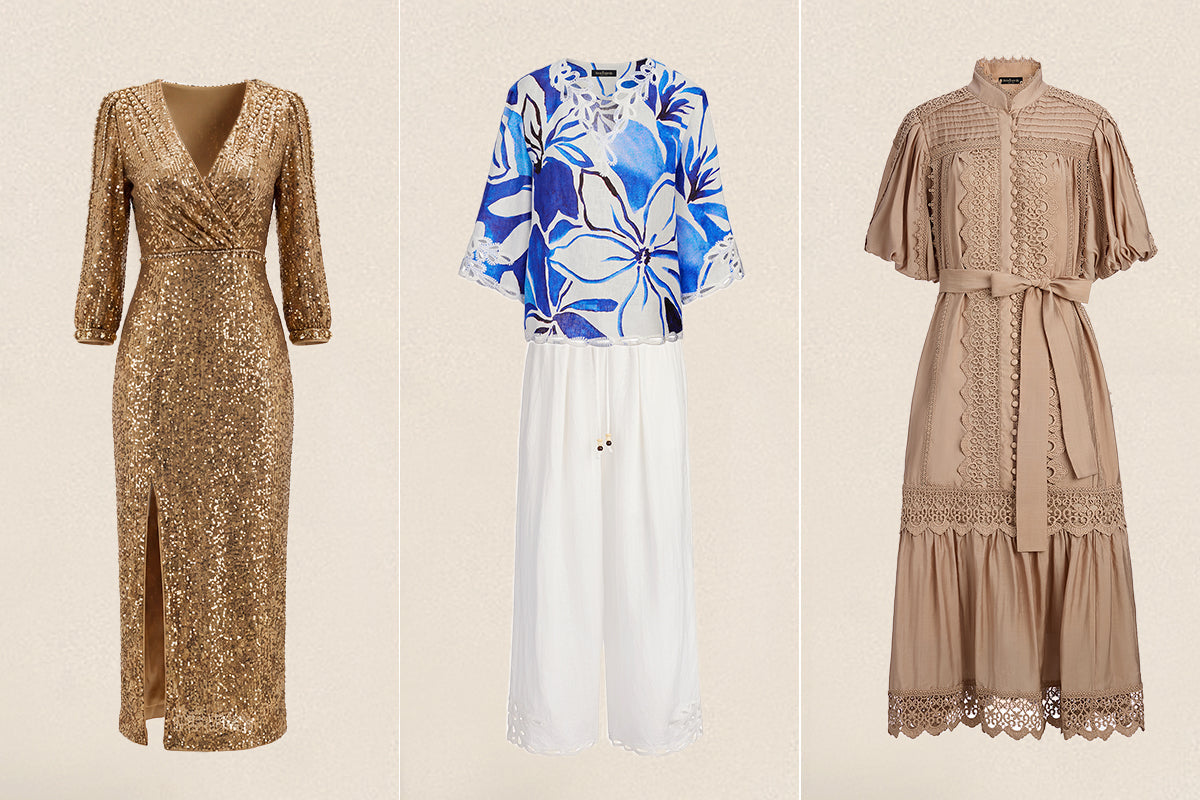
يمكن ارتداء فستان ميدي بلون واحد مع أحذية رياضية وسترة صوفية خلال النهار، ثم تزيينه بـ جاكيت، ومجوهرات، وأحذية مصقولة.
أحذية مريحة لا تزال تبدو أنيقة
يجب أن تدعم الأحذية المريحة القدم دون أن تجعل الزي يبدو غير رسمي بشكل مفرط. الشكل، والمادة، والحالة مهمة بقدر ارتفاع الكعب.
تشمل الخيارات اليومية القوية ما يلي:
- أحذية لوفر جلدية بنعل مبطن
- أحذية رياضية أنيقة ذات تصميم منخفض
- أحذية مسطحة ذات مقدمة مدببة أو لوزية
- أحذية الكاحل ذات كعب ثابت
- كعوب عريضة منخفضة لـ المناسبات الخاصة
اختر الأحذية التي تتناسب مع أطوال سراويلك وتنانيرك. طابق الوزن البصري للحذاء مع خط الحافة. تعمل الأحذية المسطحة الأنيقة جيدًا مع السراويل القصيرة وفساتين الميدي، بينما يمكن للسراويل ذات الأرجل الواسعة أن توازن حذاء لوفر أكثر حجمًا أو حذاء الكاحل.
أفكار أزياء أنيقة للعمل، وعطلات نهاية الأسبوع، والسفر، والمناسبات الخاصة
أكثر أفكار الأزياء المفيدة هي تلك التي يسهل تكييفها بدلاً من بنائها حول مظهر واحد بالضبط. ابدأ بالإعداد، ثم اضبط مستوى الهيكل، واللون، والتفاصيل لتناسب المناسبة.

أزياء عمل أنيقة مع قطع مصممة
للعمل، اجمع قطعة مصممة واحدة مع أساسيات أكثر نعومة. السراويل المصممة مع كنزة محبوكة رفيعة أو فستان بسيط مع سترة فضفاضة تبدو احترافية دون أن تبدو رسمية بشكل مفرط. أكمل الزي بأحذية لوفر، أو كعوب منخفضة، أو حقيبة مصممة.
أزياء كاجوال مريحة للارتداء اليومي
للارتداء اليومي، نسق بنطلون جينز داكن مستقيم مع تي شيرت سميك، وقميص خفيف الوزن يرتدى فوقه، وأحذية رياضية نظيفة أو أحذية لوفر. يمكن أن يضيف الثني الجزئي أو الطبقة الخارجية الأقصر شكلًا دون أن يجعل الزي يبدو رسميًا.
أزياء سفر مريحة وأنيقة
لـ السفر، جرب سراويل قابلة للارتداء مع بلوزة تسمح بالتهوية، وجاكيت صوف محبوك خفيف الوزن، وأحذية رياضية انسيابية. اختر الأقمشة التي تتميز بالتمدد، ومقاومة التجعد، ولا تزال تبدو لائقة عند الوصول.
إطلالات عشاء ومواعيد ليلية عصرية
للعشاء، تصنع السراويل الداكنة مع بلوزة منسدلة أو فستان ميدي بسيط أساسًا سهلاً. أضف تفصيلاً واحدًا أقوى، مثل أقراط مميزة، أو حذاء مسطح معدني، أو حقيبة سهرة مصممة.
أفكار أزياء للزفاف والمناسبات الخاصة
لـ حفلات الزفاف والمناسبات الخاصة، ابحث عن فستان ميدي أو مستقيم بحركة مريحة وقماش يقاوم التجعد. يمكن أن تجعل السترة الخفيفة والكعب العريض الثابت الزي أسهل في الارتداء لعدة ساعات.
كيفية اختيار القصات، والأقمشة، والألوان، والإكسسوارات الجذابة
تأتي الأزياء الأكثر جاذبية عادةً من النسب المتوازنة، والأقمشة المريحة، والتفاصيل التي تتناسب معًا. يجب أن تدعم الألوان والإكسسوارات الزي بدلاً من أن تتنافس معه.

اختر نسبًا توازن قامتك
انتبه إلى كيفية ارتباط النصف العلوي والسفلي من الزي. يمكن أن توازن بلوزة ضيقة السراويل الواسعة، بينما يمكن أن تضيف سترة أقصر شكلاً فوق فستان أو تنورة ميدي.
تحقق من مكان بدء وانتهاء كل قطعة على الجسم. يمكن أن تحدد السترة الأقصر الخصر فوق السراويل الواسعة، بينما قد تعمل البلوزة الأطول بشكل أفضل مع السراويل الضيقة أو المستقيمة.
طول الحافة مهم أيضًا. جرب السراويل، والتنانير، والسترات مع الأحذية التي تخطط لارتدائها بحيث تظل النسب متوازنة عندما يتجمع الزي بالكامل.
ابحث عن أقمشة عالية الجودة مريحة ومرنة
اختر الأقمشة التي تحافظ على شكلها دون أن تبدو صلبة. يمكن أن توفر الخلطات القطنية، والكنزات المحبوكة الناعمة، والصوف الناعم، وخلطات الكتان، والأقمشة ذات الكمية الصغيرة من التمدد هيكلًا مع الحفاظ على الراحة.
تحقق من كيفية تصرف المادة عندما تجلس، وتمشي، وتضع عليها طبقات. الأقمشة التي تتجعد بشدة، أو تلتصق في الأماكن الخاطئة، أو تفقد شكلها بسرعة يمكن أن تجعل حتى الزي المصمم جيدًا يبدو أقل أناقة.
استخدم الألوان والإكسسوارات لإنهاء المظهر
ابنِ الزي حول لونين أو ثلاثة ألوان رئيسية، ثم أضف درجة أكثر إشراقًا أو عمقًا بالقرب من الوجه. يمكن أن تبدو المجموعات اللونية المتجانسة مثل الكحلي مع الأزرق الفاتح أو الكريمي مع الجملي أنيقة دون الحاجة إلى الكثير من التنسيق.
استخدم الإكسسوارات لإنشاء نقطة محورية واضحة واحدة. يمكن أن تنعش الأقراط المميزة، أو الوشاح، أو الحزام، أو الحقيبة المصممة زيًا بسيطًا، ولكن العديد من الإكسسوارات الجريئة التي يتم ارتداؤها معًا قد تتنافس على الانتباه.
الخلاصة
يأتي الأناقة في الملبس بعد سن الخمسين من اختيار الملابس التي تناسب جسدك، وأسلوب حياتك، وذوقك الشخصي. يمكن أن تخلق الأساسيات ذات القصة الجيدة، والنسب الحديثة، والأقمشة المريحة، وبعض التفاصيل الحالية أزياء تبدو أنيقة دون أن تبدو رسمية بشكل مفرط.
ركز على القطع التي يمكنك ارتداؤها بعدة طرق، ثم استخدم الألوان، والأحذية، والإكسسوارات لتعديل كل إطلالة للعمل، وعطلات نهاية الأسبوع، والسفر، أو المناسبات الخاصة.


اترك تعليقًا
This site is protected by hCaptcha and the hCaptcha Privacy Policy and Terms of Service apply.