

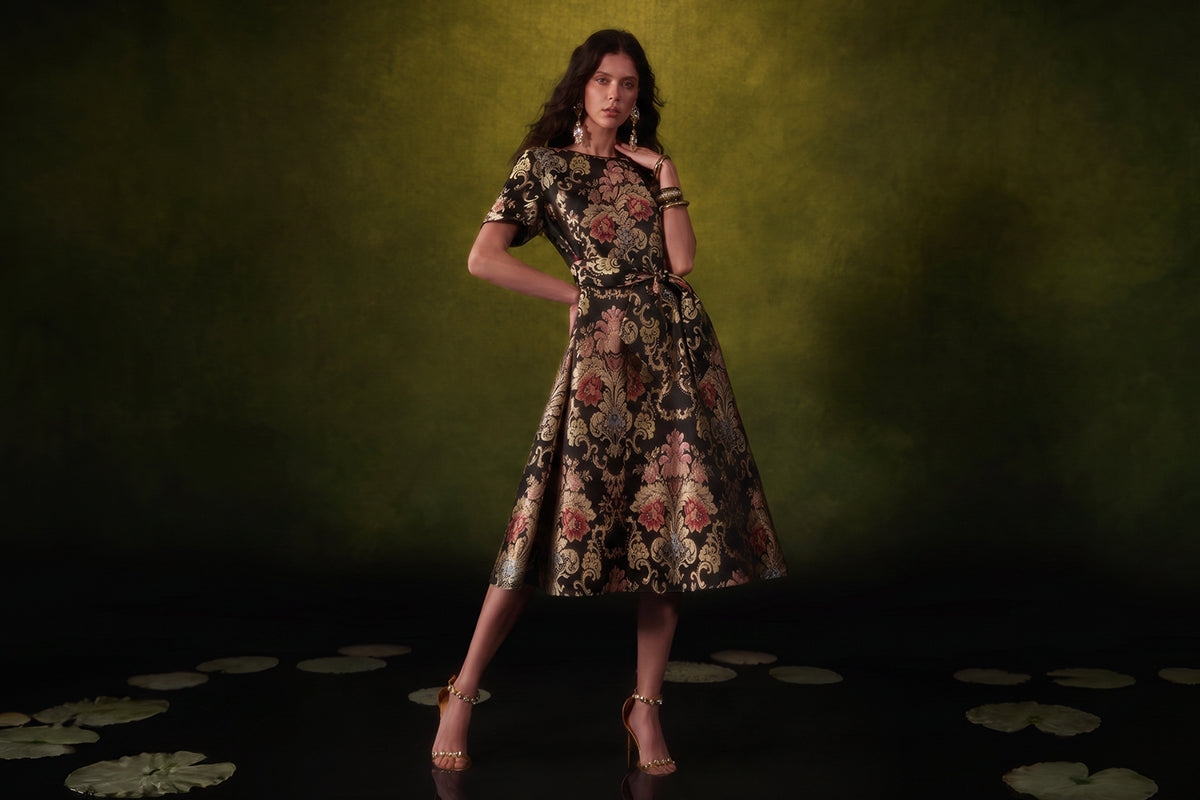
أزياء أنيقة للأرداف العريضة: كيف توازنين بين نسب جسمكِ
بالنسبة للأرداف العريضة، فإن الأزياء التي تحدد الخصر، والتي تنساب على الأرداف بدلاً من أن تلتصق بها، وتضيف بنية بصرية للجزء العلوي من الجسم، غالبًا ما تخلق صورة ظلية أكثر توازنًا. يمكن أن تعمل الفساتين ذات الخط A، والضيقة من الأعلى والواسعة من الأسفل، واللف، والفساتين ذات الخصر الإمبراطوري المقصوصة بعناية بشكل جيد، في حين أن السراويل واسعة الساق والجمبسوت ذو البنية المحددة يخلقان خطًا أكثر سلاسة من الأرداف إلى الحافة.
الهدف هو العمل مع تناسبات الجسم الطبيعية بدلاً من إخفاء الأرداف. يشرح هذا الدليل أي الصور الظلية تنساب بسلاسة فوق الجزء السفلي من الجسم وكيف يمكن لخطوط العنق والأكمام والسترات أن تعزز الشكل العام.
لماذا تجعل بعض نسب الأزياء الأرداف العريضة تبدو أكثر بروزًا
قد تبدو الأرداف العريضة أكثر بروزًا عندما يركز الزي الوزن البصري تحت الخصر دون خلق تعريف كافٍ للجزء العلوي من الجسم. يتأثر التأثير العام بموضع الدرزات، والحجم، وتباين الألوان، وطول الثوب، وليس فقط بعرض الأرداف.

يمكن أن تطيل السراويل ذات الخصر المنخفض والخصور المترهلة الجذع بصريًا بينما تجعل أوسع جزء من الأرداف أكثر وضوحًا. كما أن البلوزات أو السترات التي تنتهي مباشرة عند أقصى نقطة قد تخلق خطًا أفقيًا يجذب العين عبر تلك المنطقة.
تشمل التفاصيل الأخرى التي يمكن أن تؤثر على التناسب ما يلي:
- جيوب كبيرة، كشكشة، أو طبعات عالية التباين موضوعة عند الأرداف
- أكتاف ضيقة مقترنة بتنانير شديدة الكشكشة أو سراويل ذات طيات كثيفة
- أقمشة رقيقة تلتصق بالأرداف بدلاً من أن تنساب بسلاسة
- ملابس كبيرة الحجم تخفي الخصر ولكنها تضيف حجمًا حول الجزء السفلي من الجسم
يحافظ الزي الأكثر توازنًا على خصر مرئي، ويجعل القماش ناعمًا على الأرداف، ويوزع الاهتمام البصري على الأكتاف أو خط العنق أو الجزء العلوي من الجذع.
أفضل قصات الفساتين والجمبسوت لتوازن الأرداف العريضة
تخلق القصات الأكثر فعالية شكلًا عند الخصر، وتوفر مساحة كافية عند الأرداف، وتمنع النصف السفلي من أن يبدو ثقيلًا بصريًا. المفتاح هو أين يبدأ الثوب في الاتساع وما إذا كان الجزء العلوي من الجسم لديه ما يكفي من البنية لموازنة هذا الحجم.

فساتين بقصة A-Line للانسياب اللطيف على الأرداف
يتبع فستان بقصة A-line الجزء العلوي من الجسم ويتسع تدريجيًا تحت الخصر، مما يسمح للقماش بالمرور بسلاسة فوق الأرداف. يخلق تعريفًا دون تتبع المنطقة الأوسع عن كثب.
اختر قصة ذات صدرية نظيفة وواسعة تدريجيًا بدلاً من الكشكشة الثقيلة عند الخصر. يمكن أن تساعد الدرزات الأميرة والكريب غير اللامع والأقمشة ذات البنية الناعمة في الحفاظ على خط أنيق للتنورة.
فساتين Fit-and-Flare لتحديد الخصر
تحدد فساتين Fit-and-flare الصدرية والخصر قبل أن تتسع إلى تنورة أوسع. يخلق هذا انتقالًا واضحًا بين الجزء العلوي والسفلي من الجسم مع السماح بحركة مريحة عبر الأرداف.
يجب أن يظل حجم التنورة متحكمًا فيه. عادة ما تخلق الطيات المسطحة أو الألواح اللطيفة شكلًا أنظف من الطبقات الصلبة أو الكشكشة الكثيفة التي تبدأ مباشرة عند الخصر.
فساتين Wrap Dress لتناسب قابل للتعديل
تستخدم فساتين الـ Wrap Dress ربطة جانبية وخط عنق مائل لتشكيل الجذع مع السماح بالتعديل عند الخصر. يمكن أن يوفر التداخل الكافي للتنورة أيضًا مساحة أكثر راحة عبر الأرداف. يمكن للخطوط المائلة أيضًا جذب الانتباه إلى الأعلى وإنشاء مسار بصري أطول عبر الجسم.
ابحث عن:
- ربطة موضوعة عند الخصر الطبيعي
- تداخل كافٍ للتنورة للجلوس والمشي
- قماش متوسط الوزن ينسدل دون الالتصاق
- خط عنق يظل ثابتًا دون تعديل متكرر
فساتين بخصر إمبراطوري لخط أطول
يطلق فستان بخصر إمبراطوري التنورة تحت الصدر، مما يقلل الضغط حول الخصر الطبيعي والأرداف. يمكن أن يخلق الجزء الأمامي الأملس وعرض التنورة المتحكم فيه خطًا أطول، خاصة عندما ينسدل القماش عموديًا بدلاً من أن يتجمع بكثافة تحت الصدر.
تجنب التجمع المفرط تحت الصدر، والذي قد يضيف حجمًا غير ضروري عبر الجذع. عادة ما ينتج عن الصدرية ذات الشكل اللطيف وعرض التنورة المتحكم فيه نتيجة أكثر أناقة.
جمبسوت واسع الساق لحجم متوازن
يوزع الجمبسوت الواسع الساق الحجم من الأرداف على طول البنطال بدلاً من تركيزه عند أوسع نقطة. يمكن أن يخلق الخصر المحدد والساقين الواسعة المنسدلة صورة ظلية أطول وأكثر استمرارية.
يجب أن تنسدل الساق بشكل مستقيم من الأرداف دون أن تلتصق بمنطقة المقعدة. تحقق من ارتفاع الخصر وموضع الجيوب ووزن القماش، حيث يمكن أن تعطل الارتفاعات القصيرة أو الجيوب الجانبية الكبيرة الخط.
جمبسوت مُحدد الهيكل بأكتاف واضحة
يُضيف الجمبسوت ذو خط الكتف المشكّل، أو الصدرية المجهزة، أو الكم المصمم تفصيلاً بصريًا للجزء العلوي من الجسم. يمكن أن يوازن هذا الأرداف العريضة دون الحاجة إلى حشوات مبالغ فيها أو تفاصيل كبيرة الحجم.
اختر هيكل كتف معتدل وخصر يظل في موضعه بوضوح. قد يؤدي الكتف المحدد بقوة مع ساق ضيقة جدًا إلى جعل الأرداف أوسع نقطة في الجزء السفلي من الجسم. عادة ما تخلق الأرجل المستقيمة أو الواسعة بلطف انتقالًا أكثر سلاسة من الورك إلى الحافة.
|
القصة |
كيف توازن الشكل |
أفضل التفاصيل للبحث عنها |
مشكلة محتملة في المقاس |
|
فستان بقصة A-Line |
ينساب تدريجيًا على الأرداف |
درزات الأميرة أو خصر ناعم |
قد تضيف كشكشة الخصر الكثيفة حجمًا |
|
فستان Fit-and-Flare |
يحدد الخصر ويضيف حجم تنورة متحكمًا به |
طيات مسطحة أو بناء بألواح |
قد تسيطر التنورة شديدة الصلابة على الإطار |
|
فستان Wrap Dress |
يستخدم تشكيلًا قطريًا وخصرًا قابلًا للتعديل |
ربطة جانبية آمنة وتداخل كافٍ |
قد يلتصق القماش الرقيق بالأرداف |
|
فستان بخصر إمبراطوري |
يخلق خطًا مستمرًا أسفل الصدر |
تجمع أمامي بسيط |
قد تخفي الامتلاء الزائد شكل الجسم |
|
جمبسوت واسع الساق |
يوزع الحجم بالتساوي من الورك إلى الحافة |
ساقين واسعة منسدلة وارتفاع مناسب |
قد توسع الجيوب الكبيرة منطقة الورك |
|
جمبسوت مُحدد الهيكل |
يضيف تعريفًا للجزء العلوي من الجسم |
أكتاف مشكّلة وخصر واضح |
قد تتغلب بنية الكتف المفرطة على الجذع |
كيف تخلق البلوزات وخطوط العنق والسترات توازنًا في الجزء العلوي من الجسم
يمكن أن تغير تفاصيل الجزء العلوي من الجسم كيفية قراءة الصورة الظلية بأكملها. الهدف هو خلق حضور بصري كافٍ حول الأكتاف وخط العنق بحيث يبدو الشكل متوازنًا، دون الاعتماد على الحشوات المفرطة أو الحجم الكبير.

خطوط العنق المستديرة والمربعة لزيادة العرض
تتمدد خطوط العنق المستديرة أفقيًا عبر عظم الترقوة، بينما تخلق خطوط العنق المربعة عرضًا واضحًا عبر الجزء العلوي من الصدر والأكتاف. يمكن أن يساعد كلاهما في موازنة الأرداف العريضة من خلال إعطاء الجزء العلوي من الجسم إطارًا بصريًا أقوى.
يجب أن يظل خط العنق متناسبًا مع الأكتاف. قد ينزلق خط العنق المستدير الواسع جدًا، أو يكشف عن أشرطة الملابس الداخلية، أو يجعل خط الكتف يبدو أوسع مما هو مقصود، بينما يمكن لخط العنق المربع المنخفض جدًا أن يحول الانتباه بعيدًا عن الشكل العام.
أكمام مميزة لتوازن الكتف
يمكن للأكمام المنتفخة الناعمة، وتفاصيل الكتف المجمعة، والأكمام القصيرة ذات الهيكل الخفيف أن تضيف حجمًا متحكمًا فيه بالقرب من الأكتاف. تعمل بشكل أفضل عندما يبدأ شكل الكم عاليًا على الذراع ويتناقص قبل الوصول إلى الخصر.
تجنب الحجم الكبير الذي يستمر في الكم بأكمله، فقد يرهق الجذع. عادة ما تخلق التفاصيل الأصغر في الأكمام توازنًا أفضل مع الحفاظ على وضوح الخصر.
أكتاف مهيكلة لتحديد واضح
يمنح خط الكتف المحدد الجزء العلوي من الجسم عرضًا أوضح ويساعده على التناسب بشكل متساوٍ مع الأرداف. غالبًا ما تعمل الخياطة الخفيفة والدرزات المشكّلة وبنية الكتف الرقيقة بشكل أفضل من الحشوات الدرامية.
يجب أن يكون خط الكتف قريبًا من حافة الكتف الطبيعية. إذا امتد كثيرًا إلى الخارج، فقد يبدو الزي صندوقيًا ويقلل من تحديد الخصر.
سترات بطول الخصر لتحسين التناسب
يمكن للسترة التي تنتهي بالقرب من الخصر الطبيعي أن تؤكد على أضيق جزء من الجذع وتمنع الطبقة العلوية من قطع الجزء الأكثر امتلاءً من الأرداف. يمكن للسترات القصيرة والبوليرو الضيقة والسترات القصيرة المصممة أن تحقق هذا التأثير.
يجب أن تكون الحافة أعلى بوضوح من المنطقة الأوسع بدلاً من أن تنتهي عليها مباشرة. كما أن السترة ذات الشكل اللطيف تعمل بشكل أفضل من النمط الصندوقي الصلب الذي يضيف عرضًا دون تحديد الخصر. يمكن أن تعمل السترات الطويلة أيضًا عندما تمتد الحافة بوضوح أسفل أوسع جزء من الأرداف. الطول الأقل فائدة غالبًا ما يكون ذلك الذي يتوقف مباشرة عبر المنطقة الأكثر امتلاءً.
الخلاصة
المقاس النهائي يهم أكثر من اتباع قاعدة ثابتة واحدة في اللباس. تحقق من الزي أثناء الوقوف والجلوس والمشي: يجب أن يظل حزام الخصر مريحًا، ويجب أن ينسدل القماش بسلاسة من الوركين، ويجب أن تكون تفاصيل الجزء العلوي من الجسم متناسبة بدلاً من أن تسيطر على الهيكل. الزي الذي يتحرك دون شد أو تعديل متكرر عادة ما يخلق النتيجة الأكثر أناقة.


اترك تعليقًا
This site is protected by hCaptcha and the hCaptcha Privacy Policy and Terms of Service apply.