

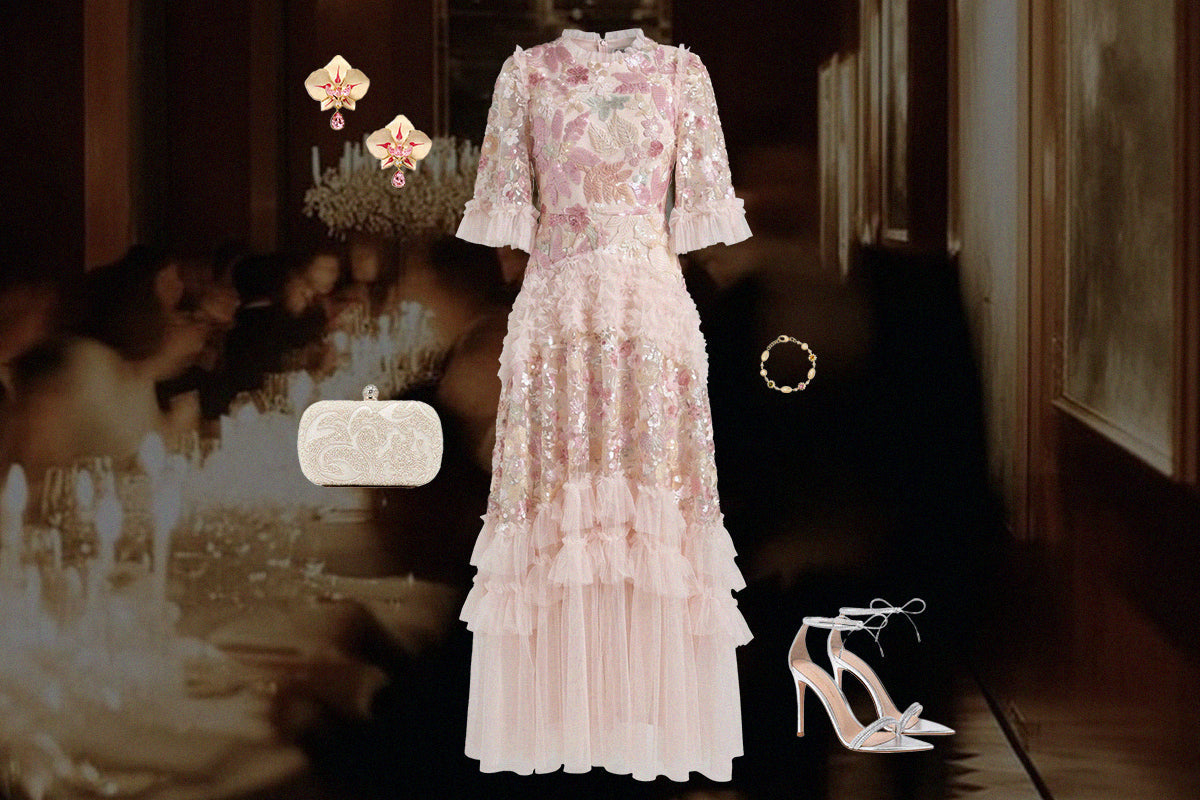
فساتين كوكتيل للنساء فوق 50: أنماط أنيقة لكل مناسبة
توازن أفضل فساتين الكوكتيل للنساء فوق سن الخمسين بين الأناقة العصرية والحركة المريحة ومستوى الرسمية الذي يناسب المناسبة. ابحثي عن قصة متناسقة جيدًا، وخط عنق آمن، وقماش يحافظ على شكله أثناء الجلوس أو المشي أو الرقص.
سواء كنتِ تتأنقين لحفلة أو عشاء أو حفل استقبال أو احتفال شبه رسمي، سيساعدك هذا الدليل في اختيار فستان كوكتيل يبدو أنيقًا، ويناسب المناسبة، ويسمح لكِ بالاستمتاع بالمساء بثقة.
ما الذي يجعل فستان الكوكتيل أنيقًا ومناسبًا بعد سن الخمسين؟
يجب أن يبدو فستان الكوكتيل الأنيق مصقولًا بما يكفي للحدث مع كونه مريحًا وطبيعيًا للارتداء. الهدف هو اختيار فستان بقصة جذابة، ونسب متوازنة، وتفاصيل تدعم المناسبة بدلاً من أن تطغى على المظهر العام.
فهم التوازن بين الملابس الرسمية وملابس السهرة
تجلس ملابس الكوكتيل بين اللباس النهاري الأنيق وملابس السهرة الرسمية. عادةً ما تتناسب الفساتين بطول الركبة والميدي مع قواعد اللباس، بينما تُخصص الفساتين الطويلة لأحداث ربطة العنق السوداء أو المناسبات المسائية الرسمية بشكل خاص. يجب أن يوجه المكان ووقت الحدث والصياغة على الدعوة الاختيار النهائي.
المكان مهم أيضًا. قد يناسب فستان الغمد المنظم حفل استقبال عمل، بينما يمكن أن يبدو الفستان المنسدل أو المزخرف بلطف أكثر ملاءمة لحفل عشاء أو حفل زفاف أو حدث عطلة.
اختيار تفاصيل راقية دون جعل الزي يبدو مبالغًا فيه
تعمل التفاصيل الأنيقة بشكل أفضل عندما يكون لها نقطة محورية واضحة. يمكن أن يضيف الكم الدانتيل، أو الخرز الدقيق، أو خط العنق غير المتماثل، أو اللمسة النهائية الساتان اهتمامًا دون جعل الفستان يبدو مزدحمًا.
عندما يحتوي القماش بالفعل على ترتر أو نسيج أو نقش جريء، حافظي على بساطة خط العنق والمجوهرات والإكسسوارات. يخلق هذا مظهرًا أكثر توازنًا ويسمح للفستان بالظهور مقصودًا بدلاً من أن يكون مصممًا بشكل مبالغ فيه.
مراعاة كيف يبدو الفستان أثناء الجلوس والحركة
يجب أن يحافظ فستان الكوكتيل على شكله عند الجلوس والمشي والوصول إلى الأشياء. قبل اختياره، تحققِ مما إذا كانت الحاشية ترتفع، أو خط العنق يتغير، أو يصبح الخصر مقيدًا عند الجلوس.
عادةً ما تشعر الفساتين التي تحتوي على قدر قليل من التمدد، وفتحات ذراع آمنة، ومساحة كافية عبر الوركين براحة أكبر خلال المناسبات الطويلة. يقلل الفستان الذي يتحرك جيدًا أيضًا من الحاجة إلى التعديل المستمر، مما يساعد على بقاء المظهر العام مصقولًا طوال المساء.
أفضل قصات فساتين الكوكتيل للراحة والشكل المصقول
يجب أن تخلق القصة الصحيحة شكلًا نظيفًا دون تقييد الحركة. بدلاً من الاختيار بناءً على العمر فقط، فكري في مكان وضع الفستان عند الكتفين والخصر والوركين والحاشية، حيث تحدد هذه المناطق ما إذا كان المظهر العام يبدو متوازنًا ومريحًا.

فساتين الغمد لمظهر نظيف ومنظم
يتبع فستان الغمد الجسم دون إضافة الكثير من الحجم، مما يجعله مناسبًا للعشاء وحفلات الاستقبال والمناسبات المتعلقة بالعمل. ابحثِ عن تحديد دقيق للخصر، أو قماش مطاطي، أو درزات استراتيجية بحيث ينساب الفستان على الجسم بدلاً من أن يسحب عبر الوركين أو البطن.
الفساتين المنسدلة لتحديد ناعم حول الخصر
يمكن للطي أن ينعم منطقة الوسط ويخلق شكلاً دون الاعتماد على حزام خصر ضيق. توجه الكسرات الجانبية والطيات المائلة العين عبر الجسم بينما تجعل التجعدات الطبيعية أقل وضوحًا عند الجلوس. اختاري طيات ناعمة تنسدل بشكل مسطح بدلاً من الكسرات الثقيلة التي تضيف حجمًا غير ضروري عند الخصر.
فساتين الفيت آند فلير للحركة المريحة
تحدد فساتين الفيت آند فلير الجزء العلوي من الجسم قبل أن تتسع بلطف أسفل الخصر. يمنح هذا الشكل الوركين والساقين مساحة أكبر، مما يجعله خيارًا عمليًا للمناسبات التي تتضمن المشي أو الرقص أو الجلوس لفترات طويلة.
فساتين الشفت للحصول على قصة مريحة وبسيطة
يسقط فستان الشفت مباشرة من الكتفين ويوفر مساحة إضافية عبر الخصر. لمنع فستان الشفت من أن يبدو مربعًا، اختاري واحدًا بكتفين مصممة، أو تضييق دقيق عبر الجانبين، أو فتحة جانبية صغيرة. عادةً ما تحافظ الحاشية بالقرب من الركبة أو أسفلها مباشرةً على تناسق أنظف من قصة عريضة ومستقيمة عند منتصف الساق.
فساتين غير متماثلة لمظهر سهرة عصري
يمكن أن يجعل خط العنق غير المتماثل، أو الحاشية، أو اللوحة المنسدلة فستانًا بسيطًا يبدو أكثر عصرية. نظرًا لأن التصميم يخلق بالفعل اهتمامًا بصريًا، فإنه يعمل بشكل أفضل مع المجوهرات البسيطة والقماش النظيف نسبيًا.
فساتين مع جاكيت أو طبقة علوية لتغطية مرنة
يوفر الجاكيت المتطابق، أو الطبقة العلوية من الشيفون، أو الطبقة على شكل كاب تغطية للذراع دون أن يجعل الزي يبدو ثقيلًا. هذه الأنماط مفيدة بشكل خاص للاحتفالات الدينية، أو الأماكن المكيفة، أو الأحداث التي تنتقل من النهار إلى المساء.
كيفية اختيار الطول المناسب للحاشية، وخط العنق، والأكمام، والقماش
عادةً ما يعتمد فستان الكوكتيل الأكثر إرضاءً على التناسق والدعم بدلاً من اتباع قاعدة واحدة. يجب أن تعمل كل عنصر معًا حتى يبدو الفستان آمنًا ومتوازنًا ومناسبًا للحدث.

مقارنة أطوال الحاشية: طول الركبة، وطول الشاي، وطول الميدي
تخلق فساتين بطول الركبة مظهر كوكتيل كلاسيكي وتعمل بشكل جيد للعشاء والحفلات وحفلات الاستقبال التجارية. يشير الميدي بشكل عام إلى الحواشي التي تقع أسفل الركبة وفوق الكاحل، بينما ينتهي طول الشاي عادةً حول منتصف الساق السفلي ويشعر بأنه أكثر رسمية قليلاً. للحصول على أنسب تناسق، ضعِ الحاشية فوق أو أسفل أوسع جزء من الساق بدلاً من أن تكون مباشرةً عبره.
اختاري خط عنق يتناسب مع مجوهراتك وملابسك الداخلية
يمكن أن تطيل رقبة الـ V وفتحات الرقبة المستديرة المفتوحة الجزء العلوي من الجسم، بينما تخلق رقبة الباتو والرقبات العالية مظهرًا أكثر تنظيمًا. يجب أن يسمح خط العنق أيضًا بإخفاء حمالة الصدر بالكامل ويترك مساحة بصرية كافية للمجوهرات. غالبًا ما يعمل خط العنق المفصل بشكل أفضل بدون قلادة.
اختاري تغطية بدون أكمام، أو أكمام قصيرة، أو أكمام طويلة
يمكن أن تبدو الفساتين بلا أكمام مصقولة عندما تكون فتحات الذراع مناسبة بإحكام دون أن تقطع الجلد أو تكشف الملابس الداخلية. توفر الأكمام القصيرة أو بطول المرفق تغطية مع الحفاظ على خفة الزي، بينما تناسب الأكمام الطويلة الشفافة أو الضيقة الأمسيات الباردة والأماكن الأكثر رسمية دون إضافة حجم مفرط.
ابحثي عن الأقمشة التي تحافظ على شكلها دون أن تبدو قاسية
عادةً ما تحافظ الكريب متوسطة الوزن، والشيفون المبطن، والساتان المطاطي، والمخلوطات المنظمة على شكلها دون تقييد الحركة. يمكن أن يعمل البونتي في حفلات الاستقبال التجارية عندما تبدو اللمسة النهائية راقية، ولكن الأقمشة الأكثر فخامة قد تناسب مناسبات السهرة بشكل أفضل. تحققِ من أن المادة لا تلتصق بخطوط الملابس الداخلية أو تشكل طيات عميقة عند الجلوس.
استخدمي الدانتيل، أو الترتر، أو المخمل، أو الساتان كتفاصيل مميزة محكمة
تكون الأقمشة المميزة أكثر فعالية عندما تقتصر على منطقة رئيسية واحدة. يمكن لأكمام الدانتيل، أو الصدر الساتان، أو لوحة المخمل، أو تفاصيل الترتر المقيدة أن ترفع من مستوى الفستان دون أن تطغى عليه. عندما يكون القماش غنيًا بصريًا بالفعل، حافظي على بساطة القصة والإكسسوارات.
أفكار فساتين كوكتيل للحفلات، العشاء، حفلات الاستقبال، والمناسبات الرسمية
يعتمد فستان الكوكتيل المناسب على المكان، ووقت اليوم، ومستوى الرسمية المتوقع. استخدمِ الجدول أدناه لمطابقة القصة، والقماش، وتفاصيل التصميم مع المناسبة بدلاً من الاعتماد على نمط فستان واحد لكل مناسبة.

|
المناسبة |
أفضل أنماط الفساتين |
التفاصيل الموصى بها |
ما يجب إعطاؤه الأولوية |
|
حفلة عيد ميلاد أو عطلة |
فستان فيت آند فلير أو غير متماثل |
بطول الركبة أو ميدي؛ كريب، ساتان، أو ترتر مقيد |
حركة مريحة ونقطة محورية احتفالية واحدة |
|
عشاء كوكتيل |
فستان غمد أو منسدل |
بطول الركبة أو أسفل الركبة؛ كريب أو ساتان غير لامع |
خصر وخط عنق يبقيان مريحين أثناء الجلوس |
|
حفل زفاف |
فستان فيت آند فلير، منسدل، أو بطبقة علوية |
ميدي أو بطول الشاي؛ شيفون، دانتيل، أو ساتان |
أحذية مريحة، وتغطية آمنة، ومساحة للرقص |
|
حفل استقبال عمل |
فستان غمد، شفت، أو جاكيت |
بطول الركبة أو ميدي محتشم؛ كريب منظم |
قصة نظيفة، وخط عنق آمن، وإكسسوارات غير مبالغ فيها |
|
جمع تبرعات مسائي |
فستان غير متماثل أو منسدل بلطف |
ميدي أو بطول الشاي؛ مخمل، ساتان، أو ترتر دقيق |
قماش غني متوازن بمجوهرات بسيطة |
|
احتفال ديني أو عائلي |
فستان جاكيت، بطبقة علوية، أو بأكمام |
بطول الركبة أو ميدي؛ شيفون مبطن، دانتيل، أو كريب |
تغطية قابلة للإزالة تعمل عبر أماكن مختلفة |
|
حدث كوكتيل رسمي |
فستان غمد منظم أو فيت آند فلير بطول الشاي |
ساتان، مخمل، أو دانتيل منظم |
قماش راقي بدون حجم فستان السهرة الكامل |
الخاتمة
ابدأي بالمناسبة، ثم اختاري قصة تناسب بشكل آمن الكتفين، والخصر، والوركين مع السماح لكِ بالجلوس والتحرك براحة. بمجرد أن يكون المقاس صحيحًا، استخدمي طول الحاشية، والقماش، والأكمام، والإكسسوارات لضبط مستوى الرسمية. الخيار الأقوى هو فستان يمكنكِ ارتداؤه طوال الحدث دون شد، أو تحول، أو تعديل مستمر.


اترك تعليقًا
This site is protected by hCaptcha and the hCaptcha Privacy Policy and Terms of Service apply.