


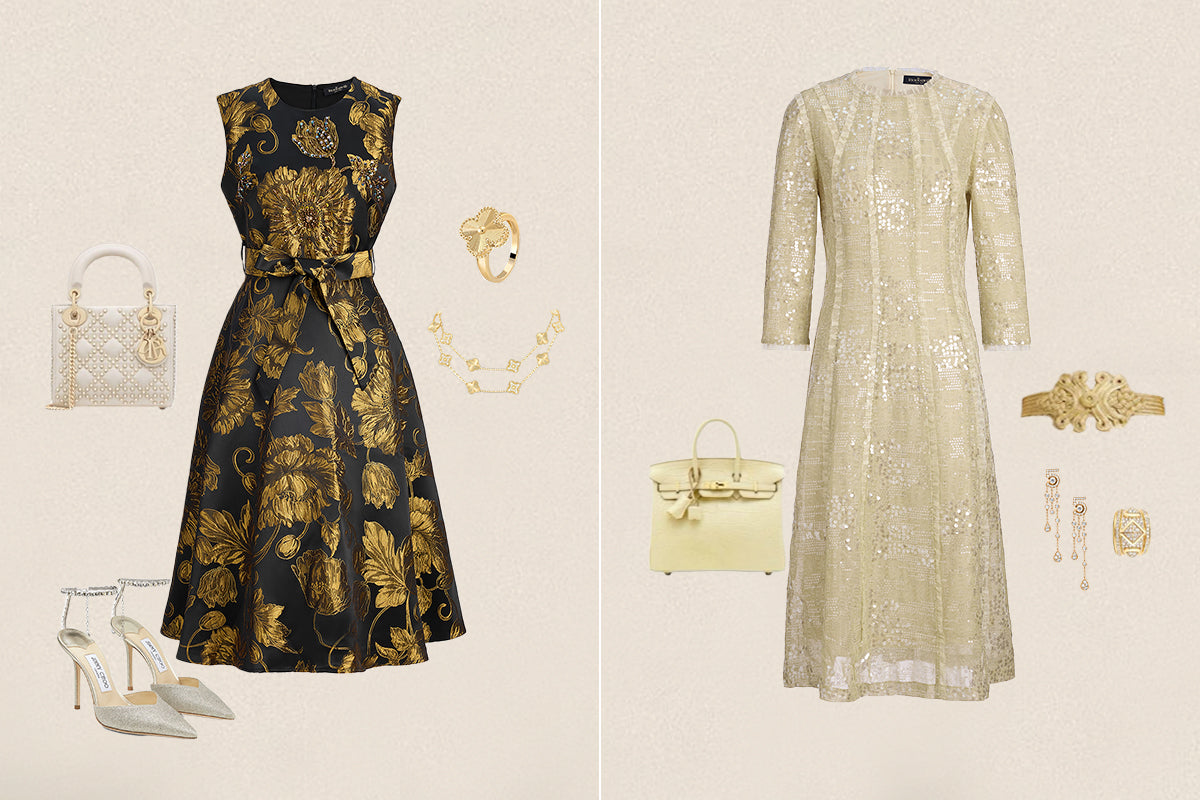
What to Wear Under a Graduation Gown: Ceremony to After-Party
What you wear under a graduation gown should look polished for the ceremony, stay comfortable beneath the extra layer, and still feel complete once the gown comes off. A breathable mini or midi dress, a sleek jumpsuit, tailored trousers with a polished top, or a coordinated set can all work well.
The best choice depends on the school dress code, weather, photo plans, and type of after-party. This guide will help you choose an outfit that sits smoothly under the gown and transitions easily into the celebration afterward.
How to Choose an Outfit That Works With and Without the Graduation Gown
A graduation outfit has to work as part of two different looks: a smooth base beneath the gown and a complete outfit for photos and celebrations afterward. Before choosing a style, consider the school rules, weather, ceremony length, and whether you will go directly to photos, dinner, or an after-party.

Check the School Dress Code First
Some schools provide guidelines on formality, footwear, accessories, or clothing that extends below the robe. Review the ceremony instructions for any rules related to shoes, colors, cultural attire, honor cords, or stage safety.
Check the ceremony instructions before planning the full look. If the rules are unclear, a polished dress, jumpsuit, or tailored separates in a refined fabric will usually work across both formal and celebratory settings.
Keep the Silhouette Smooth Under the Gown
Graduation gowns already add volume through the shoulders and body, so bulky sleeves, oversized bows, layered skirts, and stiff peplums can create awkward lines underneath. A streamlined dress, fitted jumpsuit, or softly tailored trouser outfit will usually hang more cleanly.
Pay attention to the neckline as well. Details placed high on the chest may compete with the gown collar, honor cords, or graduation stole. Keep the upper section relatively simple and save stronger design details for the skirt, trousers, or accessories.
Choose Breathable, Wrinkle-Resistant Fabrics
Ceremonies often involve long periods of sitting, crowded indoor spaces, and an extra layer of fabric from the gown. Lightweight crepe, stretch-woven fabrics, fine-gauge knits, and garments with breathable lining can provide structure without adding excessive heat. Avoid heavy polyester layers or thick linings when the ceremony is outdoors or the venue is crowded.
Avoid materials that wrinkle deeply across the lap or cling after sitting. Wear the outfit beneath a loose outer layer, then sit, stand, and raise your arms as you would during the ceremony. Check whether the waist bunches, the neckline shifts, or deep creases form across the lap.
Plan for Photos After the Ceremony
Once the gown comes off, the outfit becomes the main focus of graduation photos. Choose a neckline, waistline, and hem that look intentional on their own rather than relying on the gown for coverage or structure.
Also consider how the color will appear beside the gown, stole, and graduation background. Solid colors, subtle texture, and clean tailoring tend to photograph well, while very small prints or highly reflective fabrics may look distracting in bright outdoor light.
Best Graduation Dresses and Polished Separates for an After-Party-Ready Look
The best outfit should remain smooth and comfortable during the ceremony while still looking complete after the gown comes off. Consider the celebration setting, weather, and how long you will be wearing the outfit before choosing between a dress, jumpsuit, or coordinated separates.

Mini Dresses for Casual and Lively After-Parties
A mini dress can create a fresh, celebratory look for casual dinners, rooftop parties, or nights out after graduation. Under the gown, choose a streamlined shape without a full skirt, oversized sleeves, or bulky embellishment.
Check the hem while sitting and walking, especially if the graduation gown opens at the front. A structured mini with enough room through the hips usually stays in place more reliably than a very tight or highly stretchy style that rides up when seated.
Midi Dresses for Day-to-Night Versatility
Midi dresses work well for ceremonies followed by family photos, dinner, or a semi-formal celebration. They offer more coverage than mini dresses and can still feel modern when paired with a defined waist, side slit, or clean neckline.
Check how much of the midi hem remains visible below the gown. A narrow strip of fabric can look accidental, while a longer, clearly visible hem may feel more intentional. The dress should also allow you to climb steps without catching on the robe.
Sleek Jumpsuits for Modern Celebrations
A tailored jumpsuit creates a polished look without requiring separate pieces. Straight-leg and fluid wide-leg cuts can sit neatly beneath a graduation gown when the fabric drapes smoothly without adding bulk.
Check the rise, trouser length, and shoulder fit before the ceremony. The jumpsuit should remain comfortable while seated, and the hem should work with the same shoes you plan to wear throughout the day.
Tailored Trousers With an Elevated Top
Tailored trousers are practical for outdoor ceremonies, cooler weather, or graduates who prefer separates. Pair them with a satin blouse, fitted knit top, structured sleeveless top, or another piece that looks refined once the gown is removed.
Keep the blouse smooth through the waist to prevent bunching under the gown. A close-fitting top or securely tucked blouse can maintain a clean line without bunching at the waist. A bodysuit can also work, but consider whether it will remain practical during a long ceremony.
Matching Sets for Easy Coordination
A matching skirt-and-top or trouser set creates a coordinated look without requiring much styling. Sets are also flexible because the pieces can be reworn separately after graduation.
Choose a set with minimal bulk around the shoulders and waist. Cropped tops should provide enough coverage when the arms are raised, while skirts and trousers should stay secure during walking, photos, and seated portions of the ceremony.
Statement Dresses for Formal After-Parties
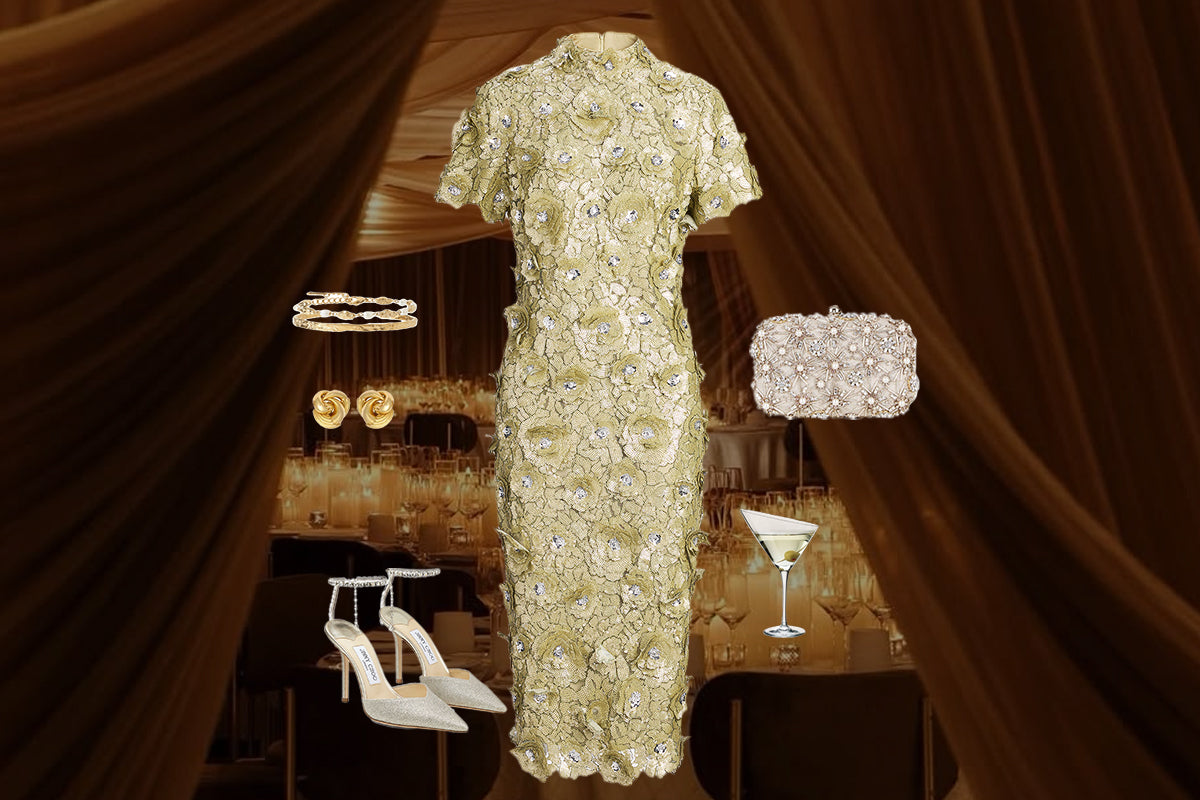
A statement dress may suit a hotel dinner, formal reception, or ticketed graduation celebration. Color, texture, asymmetry, or subtle embellishment can add impact once the graduation gown comes off.
Keep the upper part of the dress relatively smooth so it does not interfere with the stole, cords, or gown neckline. Statement details are often easier to manage when placed at the hem, waist, or lower skirt rather than on the shoulders.
|
Outfit Option |
Best For |
Ceremony Advantage |
What to Check |
|
Mini Dress |
Casual dinners and lively after-parties |
Short, streamlined shapes reduce fabric bulk |
Hem coverage when sitting and walking |
|
Midi Dress |
Photos, family dinners, and semi-formal parties |
Offers coverage without the volume of a full-length dress |
Hem placement and movement beneath the gown |
|
Sleek Jumpsuit |
Modern indoor or evening celebrations |
Creates one continuous, tailored silhouette |
Rise, trouser length, and seated comfort |
|
Tailored Trousers and Top |
Outdoor ceremonies and cooler weather |
Separates provide flexibility and practical coverage |
Bunching at the waist and shirt movement |
|
Matching Set |
Graduates who want easy coordination |
Matching pieces look polished with minimal styling |
Crop length, waistband comfort, and fabric weight |
|
Statement Dress |
Formal dinners and upscale after-parties |
Strong details become visible once the gown is removed |
Keep shoulder and neckline details gown-friendly |
How to Balance Ceremony Dress Codes With Your Personal Style
A graduation outfit does not need to feel generic or overly conservative. Start with a silhouette that meets the school’s expectations and works beneath the gown, then use color, texture, accessories, and after-party styling to make the look feel personal.

Start With a Ceremony-Appropriate Base
Treat the school dress code and stage requirements as the fixed part of the outfit. Once the neckline, hem, footwear, and movement are appropriate, personalize the elements that do not affect ceremony safety or the way the gown sits. A clean neckline and streamlined shoulders also help the gown, stole, and honor cords lie correctly.
A reliable base usually includes:
- A hem that provides comfortable coverage while seated
- A neckline that stays in place when moving
- Shoes suitable for stairs, ramps, or uneven outdoor surfaces
- Fabric that remains opaque and presentable under bright lighting
Add Personality Through Color and Texture
Color is one of the easiest ways to personalize an outfit without affecting its practicality. You can coordinate with the graduation gown or school colors, choose a shade that photographs well, or use a neutral base with brighter accessories.
Texture can also add interest once the gown comes off. Satin, pleating, subtle lace, fine ribbed knits, or tonal embroidery can make a simple silhouette feel more distinctive without adding excessive bulk.
Keep Bold Details Below the Gown Neckline
Large bows, ruffles, structured shoulders, and heavy embellishment near the chest can interfere with the gown collar, stole, or cords. These details may also create visible bumps beneath the robe.
Place stronger design elements where they will remain comfortable and become visible after the ceremony, such as:
- A side slit or asymmetrical hem
- Pleating or draping at the waist
- Decorative shoes or a statement bag
- Color blocking on the skirt or trousers
- Subtle embellishment near the lower hem or side seams
Match the Outfit to the Celebration Style
The ceremony outfit should transition naturally into what comes afterward. A family lunch may call for a polished midi dress or matching set, while a rooftop party or evening dinner allows brighter color, metallic accessories, or a more defined silhouette.
For a quick transition, keep one or two compact after-party accessories nearby or arrange to collect them after the ceremony. Changing the graduation shoes, adding statement jewelry, switching to a smaller bag, or removing a tailored jacket can make the same base outfit feel more celebratory without requiring a complete change.
Conclusion
Begin with the ceremony requirements, then test the outfit beneath the gown while sitting, walking, and raising your arms. Once the fit and footwear are secure, use color, texture, and accessories to prepare the same look for photos and the celebration afterward. The strongest choice is one that requires minimal adjustment throughout the day.


Leave a comment
This site is protected by hCaptcha and the hCaptcha Privacy Policy and Terms of Service apply.