


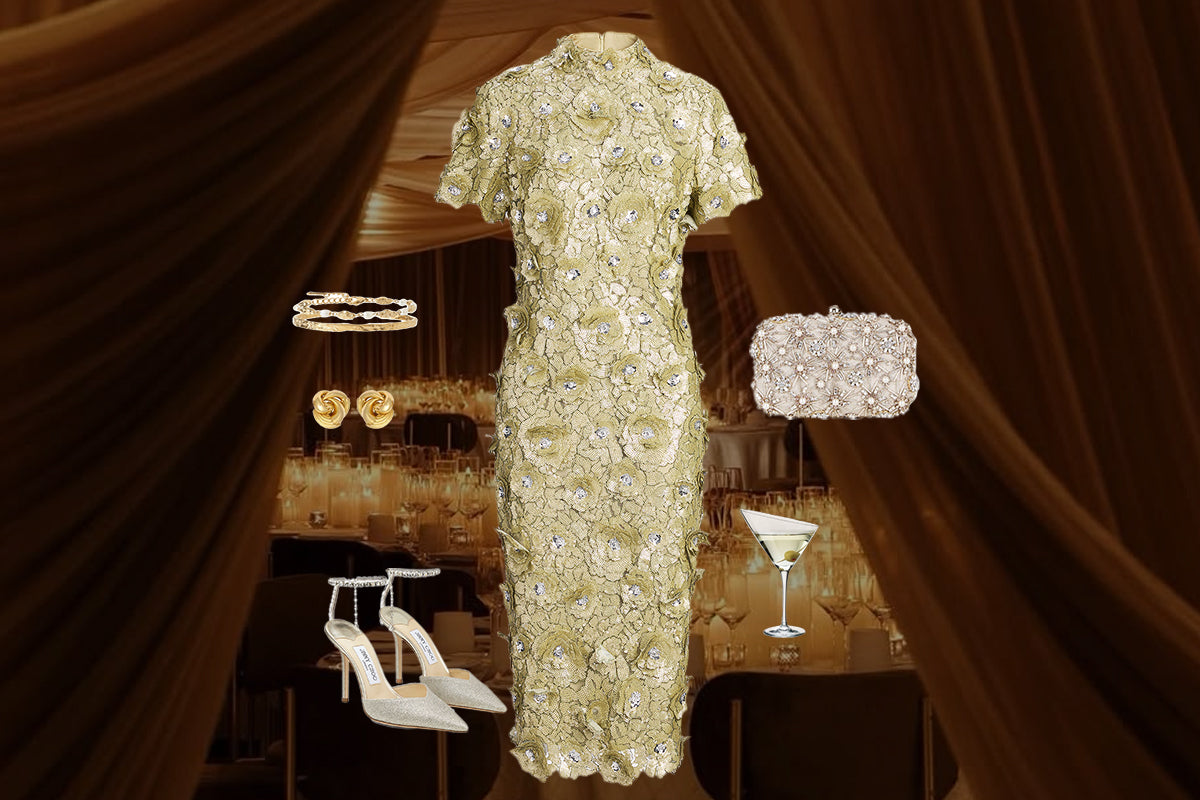
Cocktail Semi-Formal Dresses: What to Wear for Any Event
Cocktail semi-formal dresses should look polished and evening-ready without feeling as elaborate as black-tie attire. Knee-length and midi dresses work for most cocktail semi-formal events, while a streamlined maxi dress can suit a dressier evening when the fabric and detailing remain understated.
The right option depends on the invitation, event time, venue, and occasion. This guide explains how to interpret those details and choose a dress that feels appropriately elevated without moving into black-tie territory.
Cocktail vs. Semi-Formal Dress Codes: How Dressy Should You Go?
Cocktail and semi-formal dress codes often overlap, so the difference is usually a matter of styling rather than a strict set of rules. Both call for a polished outfit, but cocktail attire generally feels more festive and evening-focused, while semi-formal dressing can be slightly simpler and more flexible.
The Formality Level of Semi-Formal Attire
Semi-formal attire calls for more structure and finish than smart casual, but it does not require the dramatic length or embellishment associated with black tie. Knee-length and midi dresses in crepe, satin, lined chiffon, or lace usually meet that standard.
The outfit should look intentional without resembling a full evening gown. Clean tailoring, dress shoes, and one elevated detail—such as a structured neckline, subtle draping, or restrained embellishment—are usually enough to establish the right level of formality.
How to Handle Mixed Dress-Code Wording
When an invitation says “cocktail semi-formal,” begin with a polished semi-formal dress and elevate one element, such as the fabric, color, or accessories. Avoid combining dramatic trains, heavy beading, and full skirts, as these details can move the outfit into black-tie territory.
How to Read the Invitation, Venue, and Event Time Before Choosing a Dress
A dress code provides the starting point, but it rarely gives the full answer. The invitation wording, event time, venue, and type of gathering should be considered together to determine the right fabric, length, and level of embellishment.

Start With the Invitation Wording
First identify the main dress code, such as cocktail or semi-formal, and treat words like festive, garden, or evening as styling modifiers. For example, “Festive cocktail” still requires cocktail-level polish, but it allows bolder colors, more shine, or slightly stronger embellishment.
Also check whether the hosts mention a theme, preferred color palette, ceremony setting, or any colors guests are asked to avoid. These details take priority over general dress-code rules.
Dress for the Time of Day
Daytime events often favor matte fabrics, lighter visual weight, and restrained detailing, although darker colors can still work in softer silhouettes. Evening events allow richer textures, stronger contrast, metallic accents, and subtle sequins without requiring a heavily embellished dress.
The time also affects how formal a longer dress appears. A simple midi or fluid, streamlined maxi may suit an evening reception but feel unnecessarily dressy at an afternoon luncheon.
Match the Style to the Venue
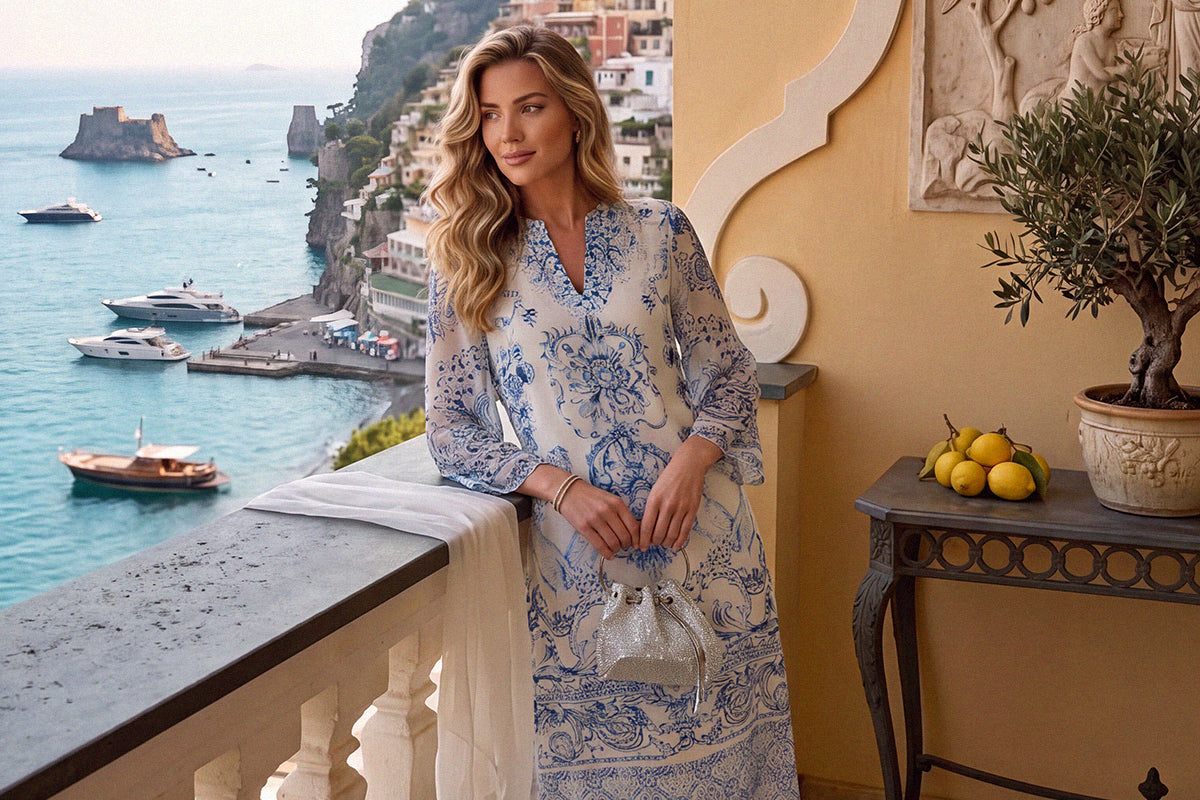
A hotel ballroom or upscale restaurant can support structured silhouettes and richer fabrics. Garden, beach, or outdoor venues call for lighter materials, stable shoes, and hemlines that are easier to manage on grass or uneven ground.
For historic, religious, or conservative venues, choose a secure neckline and consider a jacket, wrap, or removable overlay for additional coverage.
Consider the Occasion and Guest List
The same venue may require different outfits depending on whether the event is a wedding, work reception, anniversary dinner, or holiday party. Professional gatherings usually call for understated details, while social celebrations allow more color and decorative elements.
Consider your role as well. A host, close family member, speaker, or guest of honor may dress slightly more formally than a general attendee, but the outfit should still remain within the stated dress code.
Best Dress Lengths and Silhouettes for Cocktail Semi-Formal Events
The best length and silhouette depend on how formal the event feels, how much movement the evening involves, and where the hem and waist sit on your body. A polished dress should hold its shape while allowing you to sit, walk, and move without frequent adjustment.

Knee-Length Dresses for Classic Events
Knee-length dresses are a reliable choice for cocktail dinners, work receptions, and daytime celebrations. They create a traditional semi-formal look without feeling overly elaborate.
A hem near the knee creates a classic semi-formal proportion, but a slightly shorter style can also work when the dress remains secure and provides comfortable coverage while seated. Sheath, fit-and-flare, and softly tailored styles work especially well at this length because they keep the overall shape defined.
Midi Dresses for Versatile Styling
Midi dresses can move easily between afternoon and evening events. They offer more coverage than knee-length styles while remaining less formal than most full-length gowns.
The exact hem placement matters. A midi dress usually looks more balanced when it ends above or below the widest part of the calf. A defined waist, gentle side slit, or tapered skirt can break up the added length and keep the silhouette from appearing visually wide through the lower half.
Maxi Dresses for Dressier Evenings
A maxi dress can work for cocktail semi-formal attire when the design remains simple and controlled. Choose a clean silhouette, limited embellishment, and a hem that does not resemble a dramatic black-tie gown.
Soft satin, chiffon, or crepe can suit hotel receptions, formal dinners, and evening weddings. Avoid sweeping trains, very full skirts, or heavy beading unless the invitation indicates a higher level of formality.
Slip and Column Dresses
Slip and column dresses create a long, streamlined shape with minimal volume. They work best in fabrics with enough weight or lining to prevent clinging and make undergarment lines less visible.
A jacket or wrap can add structure and coverage to a slip dress, while a column dress usually creates a more formal, architectural line for evening venues. Check that the skirt allows a comfortable walking stride and does not pull across the hips when seated.
Wrap and Draped Dresses
True wrap dresses offer adjustable waist definition, while faux-wrap and draped styles create a similar diagonal line with a more fixed fit. Both can work well for dinners or events involving extended sitting when the neckline stays secure and the waist remains comfortable.
Choose a wrap neckline that stays secure and provides enough coverage when bending or sitting. Draping should lie relatively flat, as bulky gathers can add unnecessary volume and lose their shape over the course of the event.
|
Dress Style |
Best For |
Typical Formality |
What to Check |
|
Knee-Length Dress |
Work receptions, cocktail dinners, daytime celebrations |
Classic semi-formal |
Check the hem and neckline while seated |
|
Midi Dress |
Weddings, dinners, afternoon-to-evening events |
Semi-formal to dressy cocktail |
Avoid placing the hem at the widest part of the calf |
|
Simple Maxi Dress |
Evening weddings, hotel events, formal dinners |
Dressier semi-formal |
Keep the shape streamlined and detailing restrained |
|
Slip Dress |
Modern parties and evening receptions |
Cocktail-focused |
Check lining, support, and fabric cling |
|
Column Dress |
Upscale restaurants and formal evening venues |
Dressy cocktail to semi-formal |
Confirm the skirt allows a full walking stride |
|
Wrap or Draped Dress |
Dinners, receptions, and longer events |
Versatile semi-formal |
Test neckline security and seated comfort |
Cocktail Semi-Formal Dress Mistakes to Avoid
Most dress-code mistakes come from judging a dress by length alone. Fabric quality, embellishment, fit, and movement can make the same silhouette appear too casual, too formal, or simply impractical for the event.

Choosing Fabrics That Look Too Casual
Thin cotton jersey, sweatshirt-like knits, unlined fabrics, and heavily washed finishes often read as too relaxed for semi-formal events. Heavier knit dresses can still work when they have clean tailoring, a smooth surface, and enough structure to hold their shape.
Choose crepe, chiffon, satin, velvet, lace, or a structured blend with a refined surface. The fabric should hold its shape, remain opaque under different lighting, and avoid pulling across seams or revealing undergarment lines. Lining and fabric weight often matter as much as the material name itself.
Dressing Too Formally for the Event
A floor-length hem does not automatically make a dress unsuitable, but dramatic trains, full ball-gown skirts, dense beading, and highly structured corsetry usually move the outfit toward black-tie territory. Wearing several statement elements together can also make a cocktail look feel overdone.
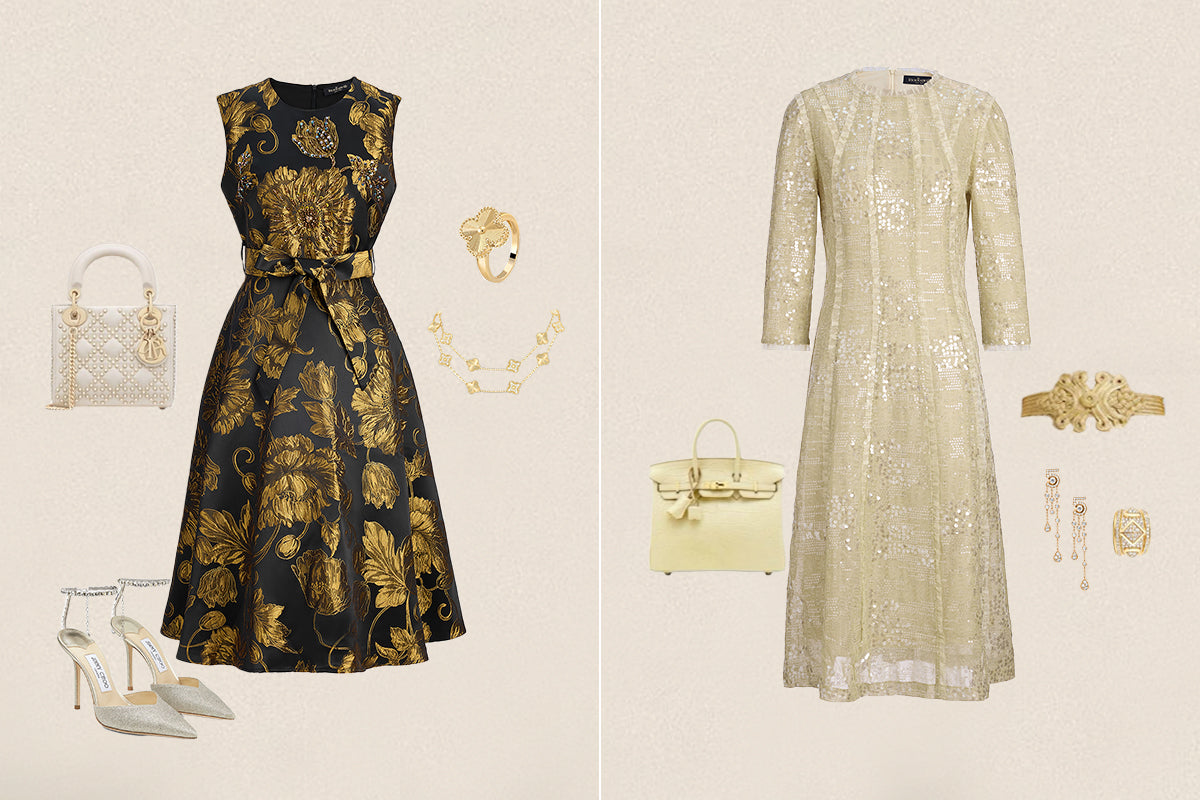
When the invitation is unclear, choose one elevated feature rather than combining many. A simple maxi in satin, a midi dress with subtle sequins, or a clean column dress with statement earrings usually stays within the intended level of formality.
Ignoring Comfort and Movement
A dress may look polished in a fitting-room mirror but become restrictive once the body is in motion. Pay particular attention to the armholes, bust, waistband, skirt opening, and hem, since these areas are most likely to pull, shift, or limit movement.
Try the dress with the shoes and undergarments you plan to wear. Sit down, raise your arms, take several full steps, and check the outfit from different angles. A semi-formal dress should maintain its shape and coverage without restricting normal movement.
Conclusion
Begin with the stated dress code, then use the venue and event time to adjust the fabric, length, and accessories. The final outfit should look intentionally elevated while remaining easy to sit, walk, and socialize in. When uncertain, a clean silhouette with one refined detail usually strikes the right balance.


Leave a comment
This site is protected by hCaptcha and the hCaptcha Privacy Policy and Terms of Service apply.