


What Is a Midi Dress? A Guide to Length, Styles, and Occasions
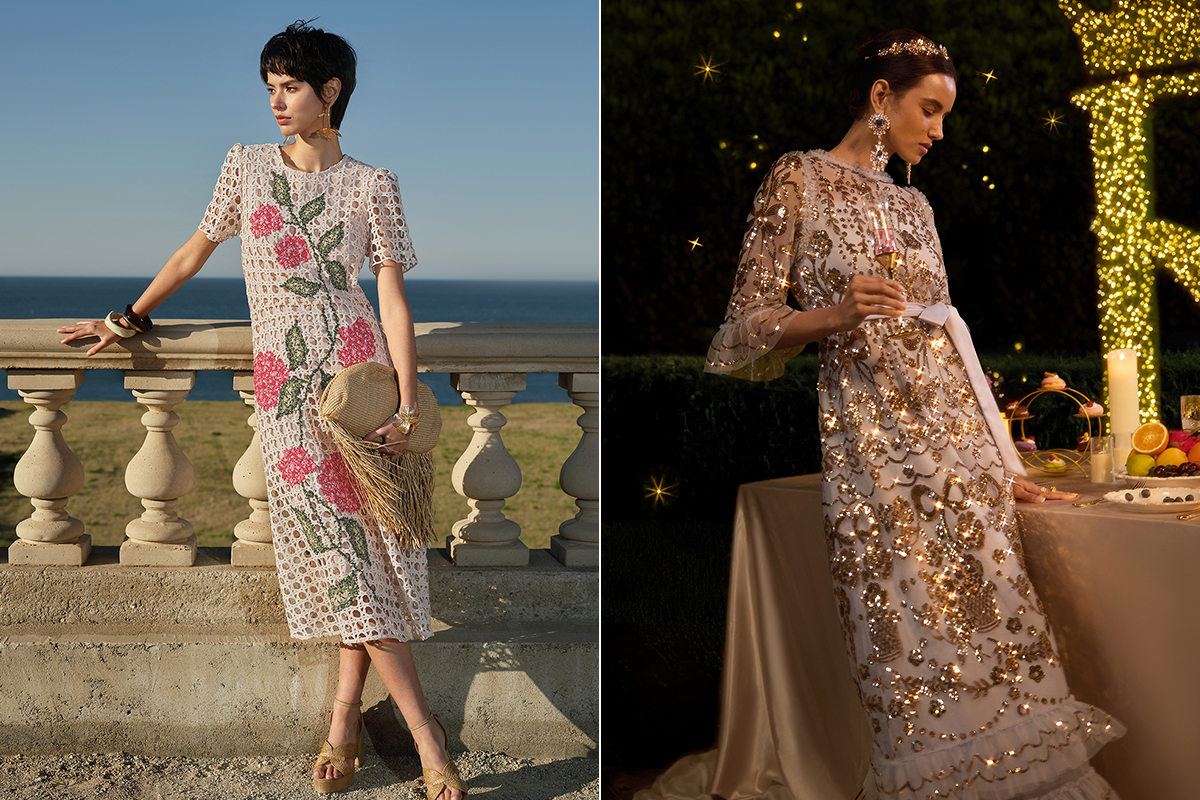
A midi dress is defined primarily by its hemline. It extends below the knee but stops above the ankle, most often around the middle of the calf. The word describes the dress’s length rather than its silhouette, fabric, sleeves, or level of formality.
That distinction explains why two midi dresses can look entirely different. One may be a relaxed tiered dress for daytime plans, while another may be an embellished design for an evening event. Both qualify as midi dresses because of where their hems fall.
Once you understand the length, you canexplore RichRadiqs midi dresses by silhouette, occasion, color, and design details.
Understand What Defines a Midi Dress

Where a Midi Dress Typically Falls on the Leg
A traditional midi hem falls around the middle of the calf.Merriam-Webster defines a midi as a dress, skirt, or coat that usually extends to the mid-calf. TheCambridge Dictionary describes it more broadly as covering the knees and part of the lower leg.
Together, these definitions place a midi dress between a knee-length dress and an ankle-length dress.
Retailers sometimes use “midi” for almost any dress that ends below the knee and above the ankle. The product name therefore may not tell you exactly where the hem will fall. Garment measurements and model information provide more useful guidance.
A midi dress is also not one particular shape. Straight, pleated, flared, wrap, and tiered dresses can all be midi length.
Why Midi Length Can Look Different on Different Heights
A dress has a fixed garment length, but its position changes according to the wearer’s height and proportions. A hem that reaches the middle of the calf on one person may sit closer to the ankle on someone shorter or just below the knee on someone taller.
The measurement method matters too. Some brands measure a dress from the highest point of the shoulder, while others provide a back-length or skirt-length measurement. When comparing two dresses, confirm that their measurements begin at the same point.
A practical method is to compare the product measurement with a dress you already own. Measure your reference dress from the same starting point, then note where its hem falls when worn.
How Hem Placement Affects Movement and Proportion
The position of a midi hem affects both appearance and practicality. A hem ending near the widest part of the calf creates a different visual break from one finishing just below the knee or a few inches above the ankle.
Skirt shape also changes the result. A narrow midi skirt may need a slit, pleats, or stretch to allow a comfortable stride. A flared or tiered skirt usually provides more room around the legs.
Consider how you will use the dress. Walking, climbing stairs, sitting through dinner, and dancing place different demands on the skirt. Hem length matters, but skirt width, lining, closure, and verified stretch are equally relevant.
Compare Midi Dresses With Mini, Maxi, and Tea-Length Dresses
Midi Dress vs. Mini Dress
A mini dress ends above the knee, commonly around the thigh. A midi dress covers the knee and continues onto the lower leg.
The difference produces practical trade-offs. A mini dress exposes more of the leg and may feel less restrictive when the skirt is straight. A midi dress offers more coverage, but a fitted version may need extra room or a slit for walking.
Neither length is automatically casual or formal. Fabric, tailoring, neckline, embellishment, and the event’s dress code determine how dressed up the outfit appears.
Midi Dress vs. Maxi Dress
A midi dress stops between the knee and ankle. A maxi dress generally reaches the ankle, top of the foot, or floor.
Midi dresses leave more of the lower leg and footwear visible. They can be convenient when you want additional coverage without managing a floor-skimming hem. Maxi dresses provide a longer continuous line but may require more care on stairs, wet ground, or uneven outdoor surfaces.
Both lengths can be casual or formal. A simple maxi dress is not necessarily dressier than an embellished midi dress. For a closer comparison of their proportions and practical differences, read the RichRadiqs guide to choosing between amidi dress and a maxi dress.
Midi Dress vs. Tea-Length Dress
Midi and tea-length dresses overlap, and retailers do not always use the terms consistently.
“Midi” is commonly used as a broad retail category for dresses ending below the knee and above the ankle. “Tea length” often suggests a lower-calf or above-the-ankle hem, sometimes combined with a fuller occasion skirt. However, this distinction is not universal.
When the difference matters, use the garment measurement and product photographs instead of relying entirely on the category name.
Identify Dress Length by the Hemline Instead of the Product Name
The hemline is the lower edge of a dress or skirt, and the word can also refer to the garment’s length.
Examine where the main hem ends. An asymmetric dress may have both shorter and longer sections, so note its shortest and longest points. A sheer overlay can also make the length less obvious: the lining might stop near the knee while the outer layer continues to the calf.
These details reveal more about the dress’s actual coverage than the word “midi” alone.
Explore the Main Types of Midi Dresses

A-Line Midi Dresses
An A-line midi dress is narrower through the upper part of the garment and gradually widens toward the hem. The flare may begin at the natural waist, at a raised waistline, or higher on the body.
The widening skirt usually provides more walking room than a narrow straight cut. However, the amount of volume varies from a subtle A-line shape to a much fuller skirt.
Fit-and-Flare Midi Dresses
A fit-and-flare midi dress combines a closer-fitting bodice with a skirt that expands below the waist. The transition is generally more defined than it is on a softly shaped A-line dress.
Pay particular attention to waist placement. If the dress’s waist seam sits above or below your natural waist, the bodice may feel too short or too long even when the overall hemline works.
Sheath and Column Midi Dresses
Sheath and column midi dresses create a straighter vertical line. A sheath generally follows the body more closely, while a column dress may fall in a straighter, less contoured shape.
Because these silhouettes provide less skirt volume, mobility depends on their design. Look for documented stretch, pleats, vents, or slits when you need a longer stride. Do not assume these features from photographs.
Wrap Midi Dresses
A wrap midi dress crosses one side of the front over the other and is commonly secured with a tie, button, or concealed fastening. Some products are true wrap dresses, while others only create the appearance of a wrap neckline or skirt.
A functional wrap may allow some adjustment at the waist, but the entire dress is not necessarily adjustable. Bust coverage, sleeve fit, armholes, and skirt overlap still depend on the garment’s pattern.
Pleated and Tiered Midi Dresses
Pleated midi dresses use folds to create texture and controlled volume. Tiered dresses join horizontal sections of fabric, usually adding fullness toward the hem.
These designs can behave differently in motion. Fine pleats may create a more vertical surface, while broad tiers produce more visible skirt volume. The actual effect also depends on the material, lining, and construction listed for the individual dress.
Decide When to Wear a Midi Dress

Wear a Midi Dress for Casual Daytime Plans
Midi dresses can suit lunches, vacations, shopping, and other daytime activities when their fabric and styling feel relaxed. Printed dresses, softly shaped shirt dresses, and flowing tiered silhouettes are common choices.
Flat sandals, simple sneakers, loafers, and low boots can support a casual look. For more options designed around day-to-day wear, browse the RichRadiqs collection ofelegant everyday dresses.
Choose a Midi Dress for Work and Business Events
Midi length can provide practical coverage for many workplaces while remaining easier to manage than a floor-length skirt. Shirt dresses, restrained A-line designs, and streamlined column silhouettes may suit professional settings.
Length alone does not make a dress appropriate for work. Neckline depth, transparency, cutouts, skirt slits, overall fit, and workplace expectations still matter.
Style a Midi Dress for Weddings and Cocktail Parties
Midi dresses can work for weddings and cocktail events because the category includes both understated and highly decorative designs.
Begin with the invitation, venue, time, season, and stated dress code. For a daytime wedding, a printed or softly structured midi may suit the atmosphere. An evening cocktail event may call for richer color, sharper tailoring, or more decorative detail.
If the invitation specifies cocktail attire, consult the RichRadiqs guide tococktail attire for women before selecting the dress. You can then compare appropriate options in theRichRadiqs wedding guest dress collection.
Avoid white or a distinctly bridal-looking design unless the couple has specifically requested that color.
Adapt a Midi Dress for Dinners and Formal Occasions
An embellished, draped, or tailored midi dress can suit dinners, parties, and many evening celebrations. The complete design still needs to match the event’s expected formality.
A midi may not be the safest choice when an invitation explicitly requires a floor-length gown, white tie, or another highly formal standard. Follow the host’s instructions instead of assuming that formal accessories can compensate for the requested dress length.
For events that allow either midi or longer occasionwear, the RichRadiqsevent dress collection provides a relevant next step.
Choose a Midi Dress That Works for Your Needs
Check Where the Hem Falls on Your Body
Begin with the listed garment length rather than assuming the hem will fall where it does on the model. Compare that measurement with your height and with a dress you already own.
Consider whether the hem position works for your preferences and planned shoes. Some wearers prefer a true mid-calf finish, while others are more comfortable with a hem just below the knee or closer to the ankle.
Match the Silhouette to Your Preferred Fit and Movement
Decide where you want the dress to follow the body and where you prefer more room. A column midi creates a straighter line, a wrap design adds diagonal overlap, and a fit-and-flare dress places more volume below the waist.
Also account for the activity. A dress for a seated dinner has different requirements from one intended for commuting or dancing. When trying it on, sit down, take a normal stride, raise your arms, and walk up a step.
Consider Fabric, Structure, and Stretch
Fabric affects drape, weight, texture, transparency, and how a skirt responds to movement. Those properties should not be confirmed from an image alone.
Read the product’s fiber-content, lining, closure, stretch, and care information. If an important detail is missing, ask the retailer instead of assuming that a fitted dress stretches or that a light-colored dress is fully opaque.
Select Shoes That Work With the Hemline
Midi dresses leave the footwear visible, so consider the relationship between the hem and the top of the shoe.
Low-profile shoes create a clear gap below the skirt. Ankle boots add another horizontal edge and may look crowded when the boot shaft ends very close to the hem. Taller boots can continue beneath the skirt for colder weather, provided the skirt moves freely over them.
Test the actual shoes with the dress whenever possible. Heel height can change posture and the way the hem appears, but comfort and stability should remain part of the decision.
Review Garment Measurements Before Choosing a Size
“Midi” describes length, not fit. Two midi dresses carrying the same size label may have different bust, waist, hip, shoulder, sleeve, and length measurements.
Compare your measurements with the product-specific size information. Determine whether the chart lists body measurements or finished garment measurements. If your measurements correspond to different sizes, focus on the least flexible area of the dress and consider its documented stretch, closure, and silhouette.
After establishing the length and fit you need,compare the current RichRadiqs midi dress selection and review the details for each individual style.
Conclusion
A midi dress has a hem that ends below the knee and above the ankle, usually around the calf. Length defines the category; it does not determine the dress’s silhouette or formality.
To select one, compare its actual garment length with your height, examine how much room the skirt provides, and match its construction and design to the occasion. These checks are more dependable than relying on the word “midi” alone.


Leave a comment
This site is protected by hCaptcha and the hCaptcha Privacy Policy and Terms of Service apply.