


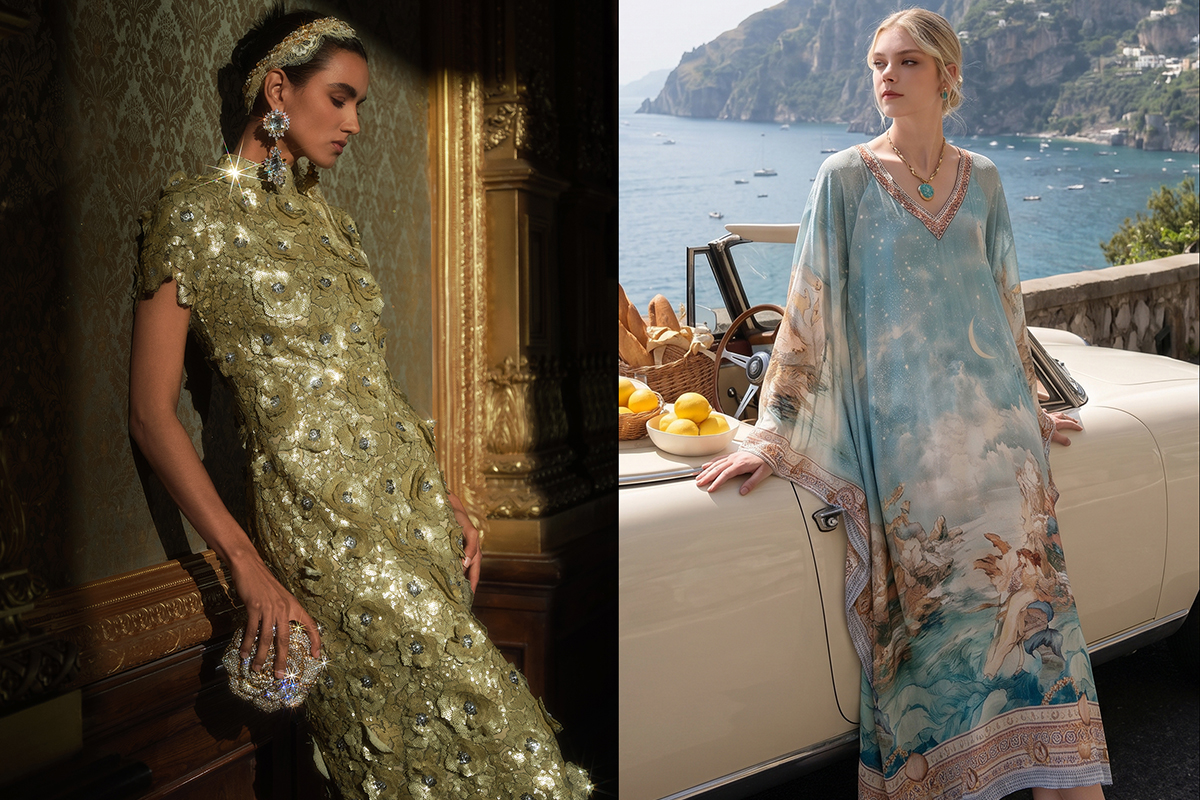
What Is a Maxi Dress? Length, Fit, and When to Wear One
A maxi dress is a long dress with a hem that generally reaches the ankle, the top of the foot, or close to the floor. The word “maxi” describes length; it does not identify one specific fabric, silhouette, or dress code. A cotton shirt dress and an embellished evening dress can both be maxi dresses, even though they serve very different occasions.
That distinction matters when you shop. Length can tell you where the skirt ends, but it cannot tell you whether the dress will fit, allow comfortable movement, or satisfy an invitation’s dress code. Use the hemline to identify the category, then evaluate the shape, fabric, details, and product-specific measurements separately.
Understand What Defines a Maxi Dress
Recognize the Typical Ankle-to-Floor Hemline
A maxi dress has a long hemline that usually reaches the ankle, the top of the foot, or near the floor. Merriam-Webster defines “maxi” broadly as a long skirt, dress, or coat.
However, maxi is a category rather than a universal measurement. The same garment length may fall at the ankle on one person and extend over the top of the foot on another. Height, torso length, waist placement, and shoe height all affect the final position of the hem.
A useful visual test is to look for a hem that extends well below the calf and approaches the ankle or floor. If exact clearance matters—especially when wearing heels, walking on uneven ground, or using stairs—the listed garment length is more useful than the category name.
Understand That “Maxi” Describes Length, Not Silhouette
“Maxi” answers one question: how long is the dress?
Terms such as A-line, empire waist, wrap, column, shirt dress, and tiered dress answer a different question: how is the dress shaped?
A maxi dress can use any of these silhouettes. It may also be sleeveless or long-sleeved, fitted or relaxed, plain or embellished.
Separating length from silhouette makes it easier to compare dresses. First, decide whether you want ankle-to-floor coverage. Then examine the waist placement, skirt volume, neckline, sleeves, and closure as individual fit variables.
Distinguish a Maxi Dress From a Full-Length Gown
A gown is defined more by its formal purpose and design than by length alone. Many evening gowns are maxi length, but not every maxi dress is a gown.
For example, a relaxed printed maxi dress may suit a daytime vacation or casual gathering. A lined, structured, or embellished full-length dress may be more appropriate for an evening event.
The word “gown” should not be inferred from the hemline alone. When an event is formal, evaluate the invitation, venue, time of day, fabric, finish, and overall styling rather than assuming that any long dress will qualify.
Check the Actual Garment Length Instead of Relying on the Product Name
Product names are useful for browsing, but the product page should guide the final fit decision.
Look for:
- The stated garment length
- The point from which the length was measured
- Model height and size information
- Size-specific measurements
- Notes about fit, stretch, lining, or closure
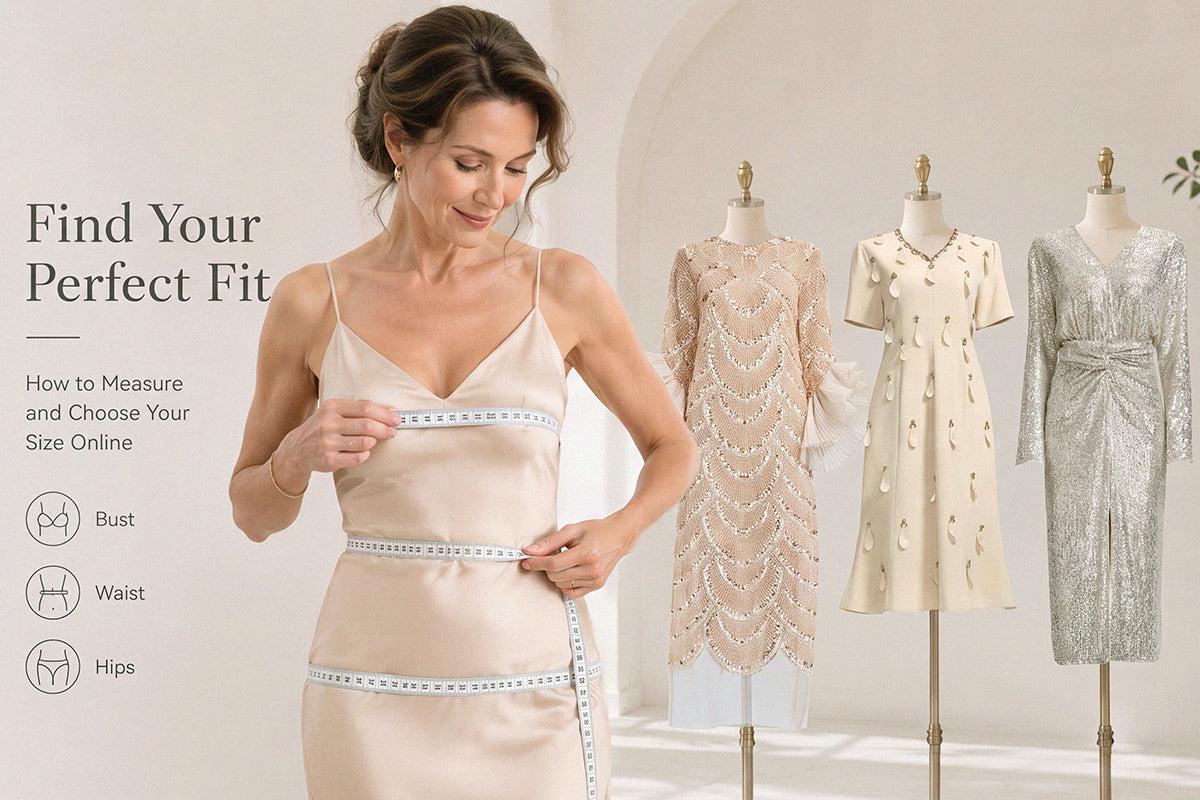
RichRadiqs states that each product has its own size chart, so the chart on the relevant product page should take priority over a general size label. Review the RichRadiqs Size Guide and Model Info and the measurements provided for the individual dress before ordering.

Compare Maxi, Midi, and Floor-Length Dresses
Identify the Difference Between Maxi and Midi Lengths
A midi dress normally ends below the knee and above the ankle. A maxi dress approaches the ankle or floor.
This difference changes how much of the lower leg and shoes remain visible. It may also affect walking clearance, the visual weight of the skirt, and how easily the dress works with stairs or uneven ground.
If you are deciding which of the two lengths to wear, consult the completemidi-versus-maxi dress comparison for a closer look at coverage, proportion, movement, and occasion.
Understand When a Maxi Dress Is Not a Formal Gown
A maxi dress may be casual, smart casual, festive, or formal. Its length alone does not move it from one category to another.
A simple knit or lightweight daytime maxi dress can remain casual even when it reaches the floor. A design with an occasion-appropriate fabric, structure, lining, or embellishment may appear more formal.
To assess the dress correctly, consider the complete garment rather than using length as a shortcut for formality.
Account for Height, Shoes, and Hem Placement
The advertised garment length will not produce the same hem position on every wearer. Torso length, waist placement, shoe height, and the point where the measurement begins can all affect where the skirt ends.
Measure while wearing the shoes and undergarments planned for the outfit.
For a practical comparison, use a long dress you already own:
- Lay the reference dress flat.
- Identify the starting point used for the product measurement.
- Measure to the bottom of the hem.
- Note where the reference dress falls when worn.
- Compare that measurement with the new product.
This method is usually more reliable than estimating length from a model photograph.

Decide Which Dress Length Works for the Occasion
Choose the length after considering the physical setting.
An ankle-skimming hem may be easier to manage on stairs, grass, or busy walkways. A near-floor hem can create a longer, more continuous line, but it needs sufficient clearance to avoid being stepped on or dragged along the ground.
The better length is the one that satisfies the event while allowing you to move through the setting comfortably.
Explore Common Maxi Dress Silhouettes
A-Line Maxi Dresses
An A-line maxi dress is narrower around the upper body or waist and widens toward the hem.
The amount of flare can vary considerably. Compare the waist placement and skirt volume rather than relying on the A-line label alone. A gently flared skirt and a dramatically full skirt may both belong to the same general silhouette but behave differently when walking or sitting.
Empire-Waist Maxi Dresses
An empire-waist maxi dress has a raised waistline, usually positioned beneath the bust, with the skirt falling from that point.
Check the bodice length and bust measurements carefully. The raised seam needs to land in the intended position for the dress to feel comfortable and maintain its designed proportions.
Wrap Maxi Dresses
A wrap maxi dress crosses at the front and may close with a tie, snap, button, or internal fastening.
Before selecting one, review:
- Neckline coverage
- Tie placement and security
- Bust and waist measurements
- The amount of skirt overlap
- Whether the wrap is functional or decorative
Do not assume that every wrap design offers the same degree of adjustability.
Shirt and Column Maxi Dresses
A shirt maxi dress borrows details from a traditional shirt, such as a collar, button placket, cuffs, or waist belt.
A column maxi dress follows a straighter vertical line with less flare through the skirt. Both styles can be long, but they distribute volume differently and may provide different amounts of walking room.
Tiered and Relaxed Maxi Dresses
A tiered maxi dress uses horizontal seams to add volume toward the hem. A relaxed maxi may have fewer shaping seams and more room through the body.
In either case, review the total length, skirt width, fabric description, and lining information. The word “flowy” is not a measurable fit detail and does not guarantee unrestricted movement.
Decide When to Wear a Maxi Dress
Wear a Relaxed Maxi Dress for Casual Daytime Plans
For daytime activities, the dress should suit the amount of walking, sitting, and weather exposure involved.
A manageable hem and secure neckline may be more important than whether the dress looks effortless in a photograph. Shoes should provide enough clearance to keep the skirt away from the ground.
A casual maxi dress can work for brunch, shopping, informal gatherings, or relaxed travel days when its fabric, fit, and care requirements suit the activity.
Select a Practical Maxi Dress for Vacations and Resort Settings
For travel, consider how the dress packs, whether its care instructions fit the trip, and whether its hem will work on the surfaces you expect to encounter.
Questions to review include:
- Can the dress be packed without specialized care?
- Does the hem work for sand, steps, or uneven paths?
- Is the dress lined?
- Are the neckline and closure secure enough for the planned activities?
- Can the dress be worn with practical shoes?
Fabric composition, lining, and care requirements must be checked on the specific product page. They should never be inferred from an image.
Match a Maxi Dress to a Wedding Dress Code
Start with the invitation. The venue, time, season, and stated dress code determine whether a particular maxi dress is appropriate.
A long hem may work for a wedding, but it does not automatically establish cocktail, formal, or black-tie suitability. A daytime outdoor wedding and a formal evening reception may call for very different fabrics, details, and levels of structure.
For a seasonal example, consult thesummer wedding guest dress guide.
Evaluate Fabric and Details for Dinner or Evening Events
For an evening event, consider how the fabric, neckline, sleeves, surface details, shoes, and accessories work together.
A simple maxi dress can look polished without becoming a gown. An embellished dress may already provide enough visual detail and work better with restrained accessories.
The goal is to match the setting—not to make every element of the outfit as formal or decorative as possible.
Confirm the Required Formality Before Wearing One to a Formal Event
If the invitation specifies a dress code, treat that language as the controlling signal.
A full-length dress made from a casual fabric may still feel too relaxed for a formal event. Conversely, a refined maxi dress with suitable fabric, structure, and details may work without being described as a gown.
When the dress code is unclear, ask the host rather than guessing from the hemline. This avoids a common category error: confusing “long” with “formal enough.”
Check the Fit and Practicality of a Maxi Dress
Measure the Hem With the Shoes You Plan to Wear
Stand naturally in the shoes you intend to wear and check the clearance at the front, sides, and back of the skirt.
Take several normal steps. If the dress catches beneath the shoe or must be held up continuously, it may require different footwear or professional alteration.
Do not judge the hem only while standing still. A length that appears acceptable in front of a mirror may behave differently when walking, turning, or using stairs.
Confirm That the Skirt Allows Comfortable Walking
Take several full steps, sit down, turn, and use a stair if one is available.
Skirt width, slits, pleats, lining, and fabric behavior can affect movement independently of length. Two maxi dresses with the same hem position may provide very different stride allowances.
If the product page does not provide enough information about these features, avoid making assumptions based on the photographs.
Check Where the Waistline Falls on Your Body
The intended waist seam or belt should land where the design expects it to.
If the waistline sits noticeably above or below that point, the proportions of both the bodice and skirt may change. This can also affect the final hem position.
When possible, compare the product measurements with a dress you already own that has a similar silhouette and fits well.
Review the Fabric, Lining, and Closure Information
Confirm the following details from the current product description:
- Fabric composition
- Lining
- Transparency information
- Stretch
- Closure
- Waist treatment
- Care instructions
These features influence comfort, coverage, fit, and ease of dressing. They vary by product and should not be generalized across the entire maxi-dress category.
Read the Product-Specific Size and Fit Notes
A familiar size label is only a starting point.
Use the size chart attached to the specific product and determine whether it lists body measurements, garment measurements, or both. Compare the numbers carefully and contact customer support if the measurement basis is unclear.
Availability, measurements, and fit information can change, so review the current product page at the time of purchase.

Choose a Maxi Dress for Your Occasion
Use this sequence before choosing a dress:
- Identify the occasion and confirm any stated dress code.
- Consider how much walking, sitting, stair use, or outdoor movement the day requires.
- Choose an ankle-to-floor hem position that works with the intended shoes.
- Compare silhouettes by waist placement, skirt volume, neckline, and closure.
- Verify the product-specific fabric, lining, care, size, and length information.
Once these conditions are clear,explore the current RichRadiqs maxi dress collection and compare the individual product details.
If the collection changes or a particular dress becomes unavailable, return to the current collection rather than relying on an older product recommendation.
Conclusion
A maxi dress is defined primarily by its long, ankle-to-floor length. That definition is useful for identifying the category, but it is only the first step in choosing one.
Silhouette determines shape. Fabric and construction influence how the dress behaves. Product measurements determine where it falls on you. The event determines whether the complete design is appropriate.
Treat “maxi” as a length label, then make the real decision using the current size chart, garment details, planned shoes, venue, and dress code.


Leave a comment
This site is protected by hCaptcha and the hCaptcha Privacy Policy and Terms of Service apply.