


What to Wear to a Summer Wedding as a Guest
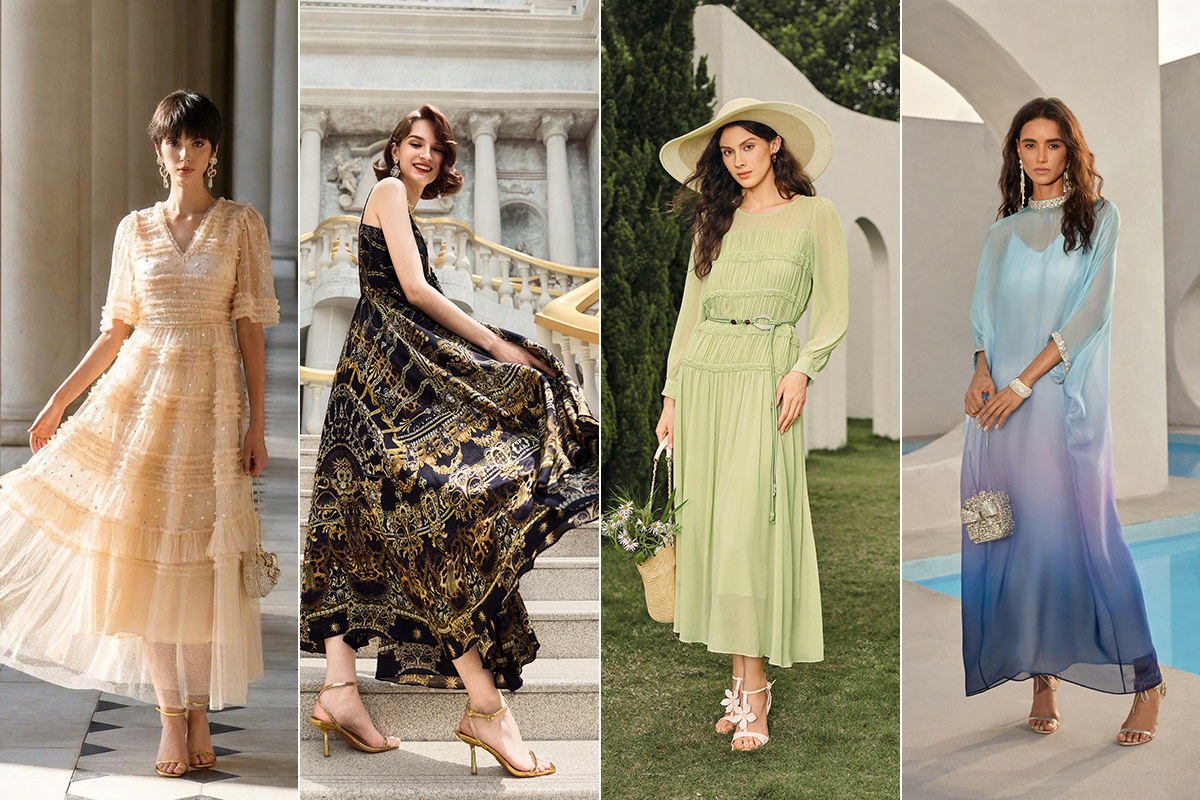
The right summer wedding guest outfit should satisfy three conditions: it follows the dress code, works for the venue, and remains comfortable in warm weather. For many celebrations, a refined midi dress, flowing maxi dress, or polished cocktail dress will work. However, a beach ceremony and a black-tie evening reception require very different versions of summer dressing.
Start with the invitation before thinking about color, fabric, or trends. Then account for the location, time of day, temperature, ground surface, and any cultural expectations. Once those details are clear, explore the current RichRadiqswedding guest dress collection for an outfit that matches the occasion.
Start With the Summer Wedding Dress Code
Casual Summer Wedding Attire
A casual dress code allows a relaxed outfit, but wedding attire should still look more considered than ordinary weekend clothing.
A printed midi dress, polished sundress, simple wrap dress, or flowing maxi can work for a backyard, beach, or informal daytime wedding. Look for a finished silhouette and enough coverage for the ceremony and reception.
Avoid beach cover-ups, distressed denim, rubber flip-flops, or anything that looks intended for running errands. “Casual” reduces the level of formality; it does not remove the need to dress for the occasion.
Semi-Formal Summer Wedding Attire
Semi-formal attire sits between casual wedding clothing and cocktail attire. A refined midi dress, tea-length dress, dressy wrap design, or softly structured jumpsuit is usually appropriate.
Daytime semi-formal weddings may support lighter colors and botanical prints. Evening celebrations can accommodate richer shades, controlled shine, or more defined tailoring.
Use accessories to finish the outfit rather than dramatically changing its formality. A small structured bag, polished shoes, and restrained jewelry can make a simple dress feel complete.
Cocktail Attire for a Summer Wedding
Cocktail attire calls for a festive, polished outfit that is dressier than semi-formal clothing but generally less ceremonial than black tie.
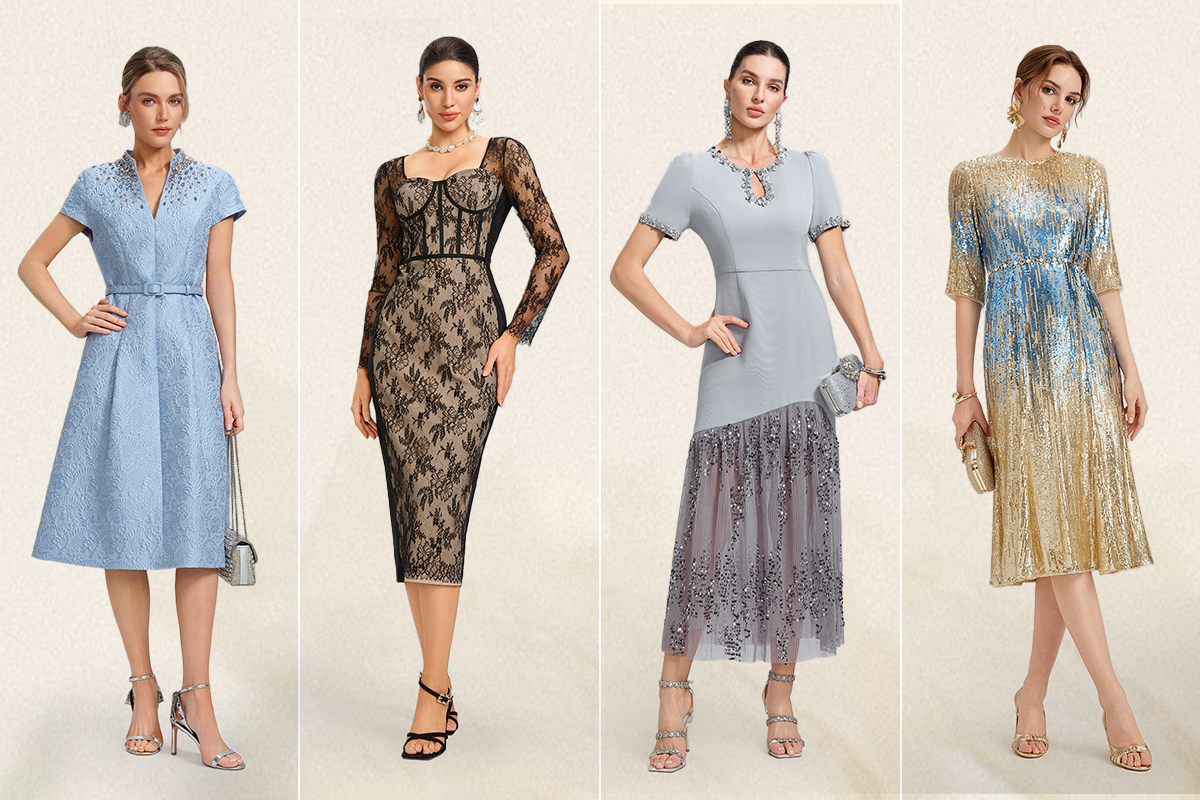
Strong options include a tailored midi dress, pleated cocktail dress, refined slip dress, or dressy jumpsuit. The outfit can feature color, texture, asymmetry, or embellishment, but it should not look like clubwear.
Length alone does not determine whether a dress qualifies. Fabric, silhouette, coverage, and finish all contribute. For a deeper explanation, consult the RichRadiqs guide tococktail attire for women.
Formal and Black-Tie Optional Summer Wedding Attire
A formal summer wedding usually calls for an elevated midi dress, sophisticated maxi dress, formal jumpsuit, or floor-length gown. For black-tie optional events, dressing closer to the formal end is generally the safer approach.
A long dress can feel seasonally appropriate when its weight, lining, and design work with the temperature. A formal midi may also be suitable if the invitation does not explicitly require floor-length clothing.
Black-tie optional does not mean casual clothing is acceptable. Simple cotton sundresses, beach dresses, and informal daytime prints may appear underdressed even when the weather is hot.
What to Wear When the Invitation Does Not Specify a Dress Code
When no dress code is listed, use the venue and start time as clues. A daytime garden ceremony usually supports a softer outfit than an evening reception at a luxury hotel. A place of worship may require more coverage than a resort terrace.
A polished midi dress is often a practical middle ground. Select one with a wedding-appropriate neckline, a refined finish, and a color that will not appear bridal.
If the event details remain ambiguous, ask the couple or another organizer. The broader RichRadiqs guide towhat a female guest should wear to a wedding can also help you interpret general wedding expectations.
Match Your Outfit to the Wedding Venue
Beach and Coastal Weddings
Beach wedding clothing must balance polish with the realities of sand, wind, sun, and humidity.
A flowing midi or ankle-length dress can work well, provided the hem does not drag across the ground. Consider a skirt with enough width for walking and a neckline that remains secure in the wind.
Flat dressy sandals, low block heels, or wedges are usually more stable than narrow stilettos. If the ceremony takes place directly on the sand, footwear may be addressed on the invitation or wedding website.
A coastal setting does not automatically make beachwear appropriate. Swimwear, transparent cover-ups, and extremely casual resort clothing should remain separate from the ceremony outfit unless the couple has expressly requested them.
Garden and Vineyard Weddings
Garden and vineyard weddings often support botanical prints, softly structured dresses, and elegant colors that complement the natural setting.
A midi dress is practical because it provides coverage without allowing the hem to trail across grass. A flowing maxi can also work when its length is manageable.
Pay particular attention to footwear. Thin heels can sink into soft ground, while block heels, wedges, and polished flats provide a broader point of contact. Test your shoes on a similar surface before the wedding if possible.
Destination and Resort Weddings

A destination wedding outfit must work at the ceremony and survive travel. Prioritize a dress that can be packed without damaging embellishment, pleats, or structured areas.
Check the destination’s climate rather than assuming every summer location will be equally hot. Coastal wind, tropical humidity, desert heat, and cool mountain evenings create different requirements.
Bring a backup plan for wrinkles and minor travel damage, but follow the garment’s care instructions. Do not automatically steam delicate fabric, beading, pleats, or appliqué without confirming that steam is safe for that specific item.
The RichRadiqsspring and summer dress edit provides a useful starting point for warm-weather silhouettes, but each product still needs to be evaluated against the wedding’s dress code.
Church and Religious Ceremonies
Religious venues may have coverage requirements or cultural expectations that general wedding advice cannot predict.
A sleeved dress, higher neckline, longer hem, or formal wrap may be appropriate. However, a removable layer is not always an adequate substitute when the venue expects guests to remain covered throughout the ceremony.
Ask the couple or review the venue’s guidance if you are uncertain. Respecting the ceremony takes priority over seasonal trends.
Hotel, Ballroom, and Indoor Evening Weddings
Indoor summer weddings may support more structure, embellishment, or a longer hem because guests are protected from direct sun and outdoor surfaces.
Air conditioning can make a ballroom unexpectedly cool. A formal wrap, lightweight evening jacket, or elegant cape can help without making the outfit look casual.
For a formal evening reception, compare suitable designs in the RichRadiqsevent and evening dress collection. Confirm the individual garment’s measurements, lining, closure, and care details before choosing.
Choose a Dress That Works in Summer Weather
Select a Midi, Maxi, or Cocktail-Length Dress
A midi dress is a versatile choice for garden, semi-formal, cocktail, and many daytime weddings. It provides more coverage than a short dress while keeping the lower leg and shoes visible.
A maxi dress may suit beach, destination, formal, and evening celebrations. Its longer silhouette can look more ceremonial, but the hem must remain manageable on stairs, grass, or sand.
A shorter cocktail dress can work when the dress code and venue allow it. The skirt should remain secure and comfortable while sitting, walking, and dancing.
If you are deciding between the two longer categories, the RichRadiqs comparison ofmidi and maxi dresses explains how their hemlines affect coverage and practicality.
Look for a Silhouette That Allows Airflow and Movement
A-line, softly tiered, wrap, pleated, and flowing column dresses can all work in summer, depending on their actual construction.
Do not assume that a loose-looking dress will automatically feel cool. Lining, fabric weight, sleeve design, and the amount of material in the skirt can affect how it feels. Similarly, a fitted dress may remain comfortable if its material, closure, and stretch are appropriate.
Think about the full schedule. The dress may need to work through an outdoor ceremony, indoor dinner, photographs, and dancing.
Review the Actual Fabric, Lining, and Transparency
Product photographs cannot reliably establish fiber content, breathability, stretch, weight, or transparency. Review the written product information and garment label instead.
Pay attention to:
- Shell and lining composition
- Whether the dress is fully or partially lined
- Documented stretch
- Closure type
- Care instructions
- Areas with mesh, lace, or sheer panels
A light-colored dress may become more transparent in bright outdoor light. Inspect it near a window or in strong lighting while wearing the undergarments intended for the wedding.
Plan for Direct Sun, Humidity, Wind, and Air Conditioning
An outdoor ceremony may expose guests to several conditions during the same day. Choose a neckline and skirt that remain secure in wind, and avoid a heavy layer that cannot be removed when the temperature rises.
A compact fan, blotting papers, sunscreen, or other practical items can be carried discreetly if appropriate. Sunscreen should be allowed to absorb before putting on delicate clothing to reduce the risk of transferring residue to the fabric.
For an indoor reception, bring a coordinated layer rather than relying on an everyday sweatshirt or oversized casual cardigan.
Test the Dress for Sitting, Walking, and Dancing
Try on the complete outfit before the wedding. Wear the intended shoes and undergarments, then sit, walk, climb a step, raise your arms, and take a longer stride.
Watch for a neckline that shifts, a lining that rises, a skirt that restricts movement, or embellishment that catches on the bag. If the outfit requires constant adjustment during a short fitting, it will probably remain distracting during the event.
Choose Wedding-Appropriate Summer Colors and Prints

Wear Seasonal Colors Without Looking Too Casual
Soft blue, green, coral, lavender, pink, yellow, and other summer colors can work beautifully at weddings. Deeper jewel tones and darker neutrals can suit evening receptions.
The design and material determine whether a color looks appropriately polished. A bright shade in a carefully finished midi dress may look more suitable than the same color in an everyday sundress.
The invitation may include a requested palette. Follow it when the couple has clearly communicated one.
Use Floral and Botanical Prints for Daytime Settings
Floral and botanical prints naturally suit many garden, vineyard, resort, and daytime weddings.
Consider the scale and contrast of the print. A softer botanical pattern can feel romantic and understated, while a large high-contrast print creates more visual emphasis. Neither is automatically wrong, but the print should fit the venue and level of formality.
Pay attention to the background color. A floral dress with a predominantly white or ivory base may photograph as bridal even when it includes other colors.
Adapt Darker Colors for Evening Summer Weddings
Black, navy, burgundy, emerald, and other deep colors can work for evening summer weddings. The idea that summer guests must only wear pale shades is too restrictive.
To make a dark outfit work in warm weather, consider its actual material, coverage, lining, and venue. A dark dress worn inside an air-conditioned ballroom creates a different experience from the same dress in direct afternoon sun.
Metallic accessories or lighter details can adjust the seasonal tone, but they are optional.
Avoid White, Ivory, and Bridal-Looking Designs
Unless the couple requests otherwise, wedding guests should avoid clothing that could reasonably be mistaken for bridal attire.
This includes more than pure white. Ivory, cream, very pale champagne, and extremely light beige may appear white in photographs. A dress with a white base and a sparse print may create the same problem.
The concern is the complete appearance, not simply the color name used by the retailer.
Respect Cultural or Couple-Specific Color Requests
Colors can have different meanings across cultures and ceremonies. A color that is routine at one wedding may be reserved, discouraged, or especially significant at another.
Follow explicit guidance from the couple. When no guidance is available and the ceremony has traditions unfamiliar to you, ask rather than relying on generalized fashion rules.
Complete Your Summer Wedding Guest Outfit
Select Shoes for Grass, Sand, Stone, or Indoor Floors
Select footwear for the actual ground surface.
Block heels, wedges, and dressy flats can work well on grass. Flat formal sandals may suit sand. Secure heels or slingbacks may be appropriate for smooth indoor floors.
New shoes should be tested before the event. Bring discreet blister protection if needed, but avoid changing into footwear that looks noticeably more casual than the rest of the outfit.
Coordinate Jewelry With the Dress Details
Use the dress as the starting point. A simple neckline may accommodate a necklace, while an embroidered or beaded neckline may need only earrings.
If the dress already includes sequins, crystals, metallic thread, or prominent appliqué, additional statement pieces can compete with the garment. Jewelry should support the outfit rather than adding a second unrelated focal point.
Carry a Small Wedding-Appropriate Bag
A clutch, small shoulder bag, or compact top-handle bag usually works better than a large everyday tote.
The bag should hold essentials without dominating the outfit. It does not need to match the shoes exactly, but both should feel compatible with the dress’s formality, color, and surface detail.
Bring a Light Wrap or Formal Layer
A shawl, lightweight evening jacket, cropped formal layer, or refined wrap can help with air conditioning and cooler evening temperatures.
Test the layer over the dress. It should fit comfortably around the sleeves and shoulders without catching on beading or crushing dimensional decoration.
Prepare for Heat Without Making the Outfit Look Casual
Summer comfort depends on planning, not simply removing coverage. Choose a garment that allows you to move, and build in discreet solutions for changing conditions.
Arrive with enough time to cool down before photographs or the ceremony. Carry only practical items that fit inside a small bag, and avoid replacing formal elements with noticeably casual pieces during the event.
Avoid Common Summer Wedding Guest Outfit Mistakes

Do Not Treat a Beach Wedding Like an Ordinary Beach Day
A beach venue changes footwear and fabric requirements, but the event is still a wedding. Choose a polished dress or jumpsuit rather than swimwear, a cover-up, or an extremely casual vacation outfit.
Avoid Heavy Clothing That Cannot Handle the Weather
A visually beautiful dress can become impractical if it traps heat or cannot be adjusted between outdoor and indoor spaces. Review the garment’s material and lining instead of judging its weight from photographs.
Do Not Choose Shoes Without Considering the Ground
Stilettos can sink into grass or sand, while loose slides may feel unstable on stairs. Footwear should allow you to reach the ceremony, stand during photographs, and move through the reception safely.
Avoid Dresses That Become Transparent in Bright Light
Inspect the outfit under strong lighting before the event. Confirm that the lining and undergarments provide the coverage you expect. This is especially important for pale colors, openwork materials, and sheer overlays.
Do Not Let Seasonal Style Override the Dress Code
Light color and relaxed movement can feel seasonal, but they do not automatically satisfy cocktail, formal, or black-tie optional attire.
Treat summer as a practical condition within the dress code—not as permission to ignore it.
Conclusion
What you wear to a summer wedding should be determined first by the dress code and then refined for the venue, weather, time, and ceremony.
A polished midi dress works for many semi-formal and cocktail weddings. A flowing maxi may suit a beach or destination celebration, while a formal gown may be required for an evening ballroom reception. Whatever the length, verify the garment’s material, lining, measurements, and mobility before deciding.
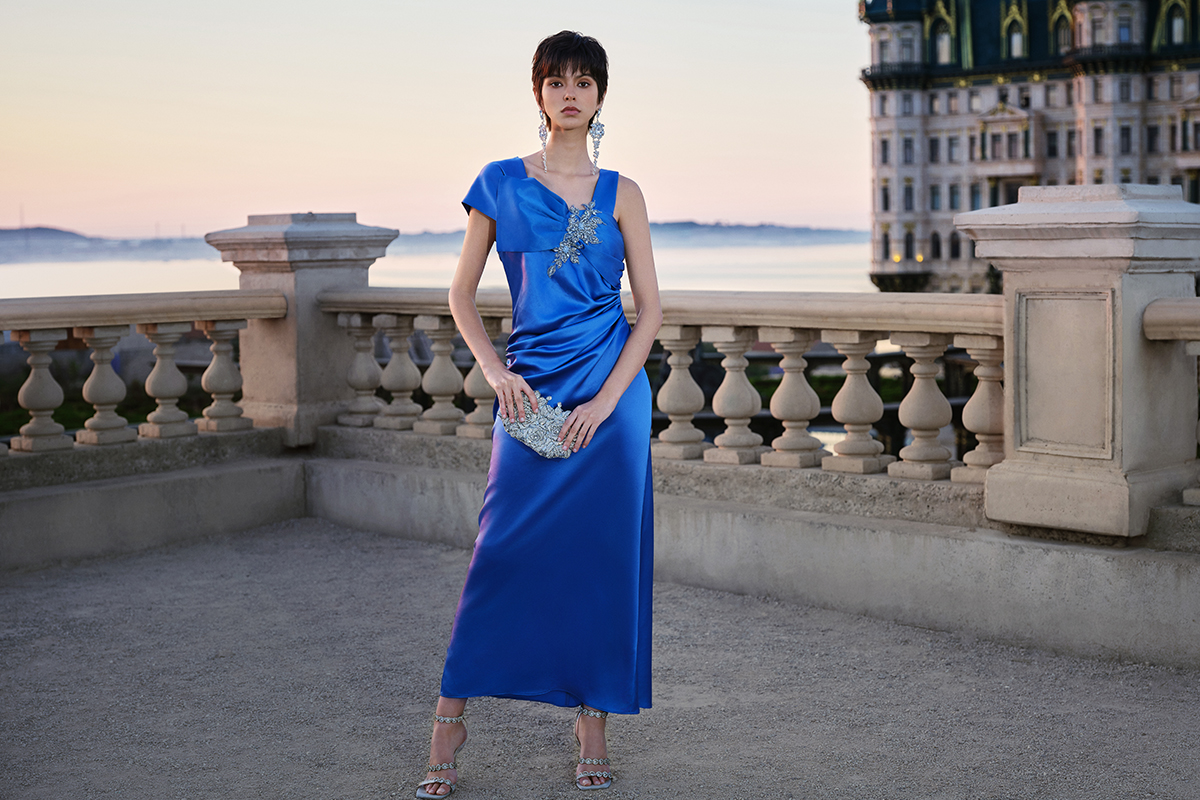
Once those requirements are clear, explore the RichRadiqswedding guest dress collection and evaluate each style against the specific event rather than choosing by season alone.


Leave a comment
This site is protected by hCaptcha and the hCaptcha Privacy Policy and Terms of Service apply.