


What Is Formal Attire for Women? A Complete Dress Code Guide
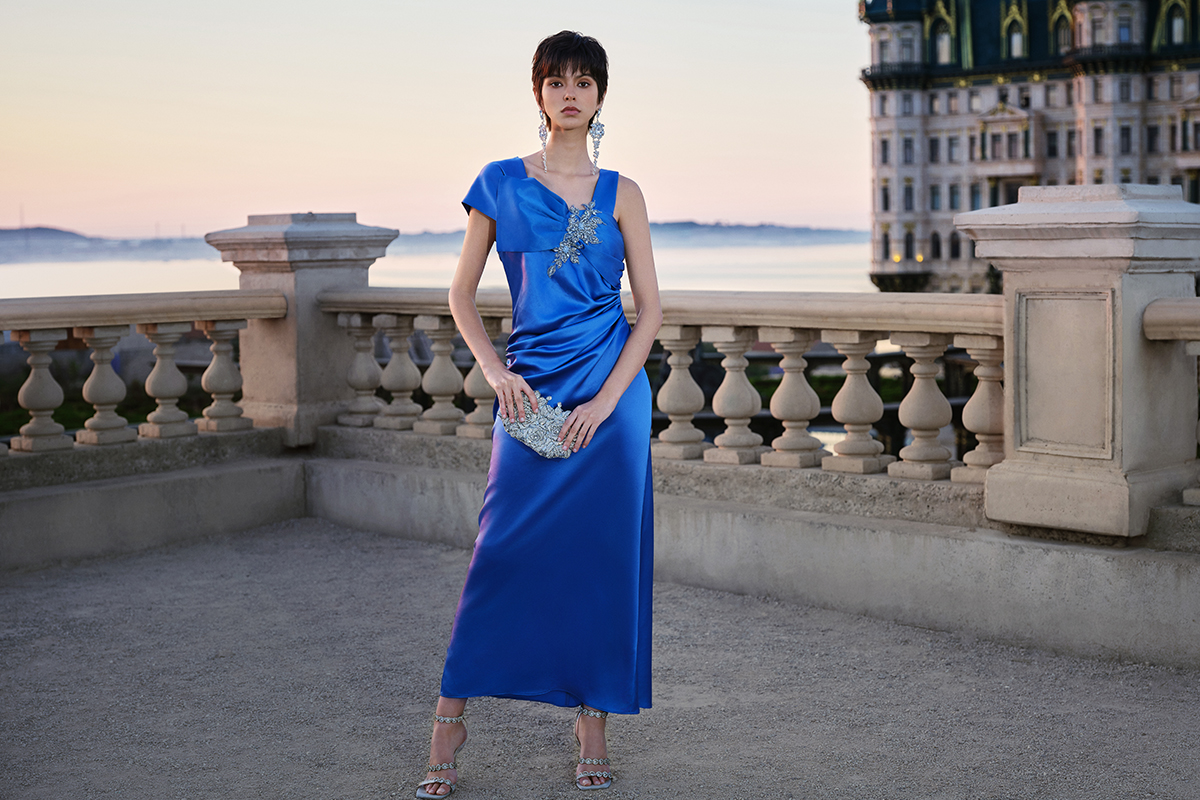
Formal attire for women is polished occasionwear intended for important celebrations, ceremonies, and evening events. It commonly includes floor-length gowns, refined midi dresses, formal jumpsuits, and carefully tailored separates. The appropriate choice depends on the exact dress code, venue, time of day, local customs, and the wearer’s role at the event.
“Formal” does not describe one compulsory outfit. It signals that the occasion requires more refinement than everyday, business-casual, or standard party clothing. When the invitation provides a more specific term—such as black tie, cocktail attire, or business formal—that wording should guide the outfit.
Understand What Formal Attire Means for Women
Recognize the Main Features of Women’s Formal Attire
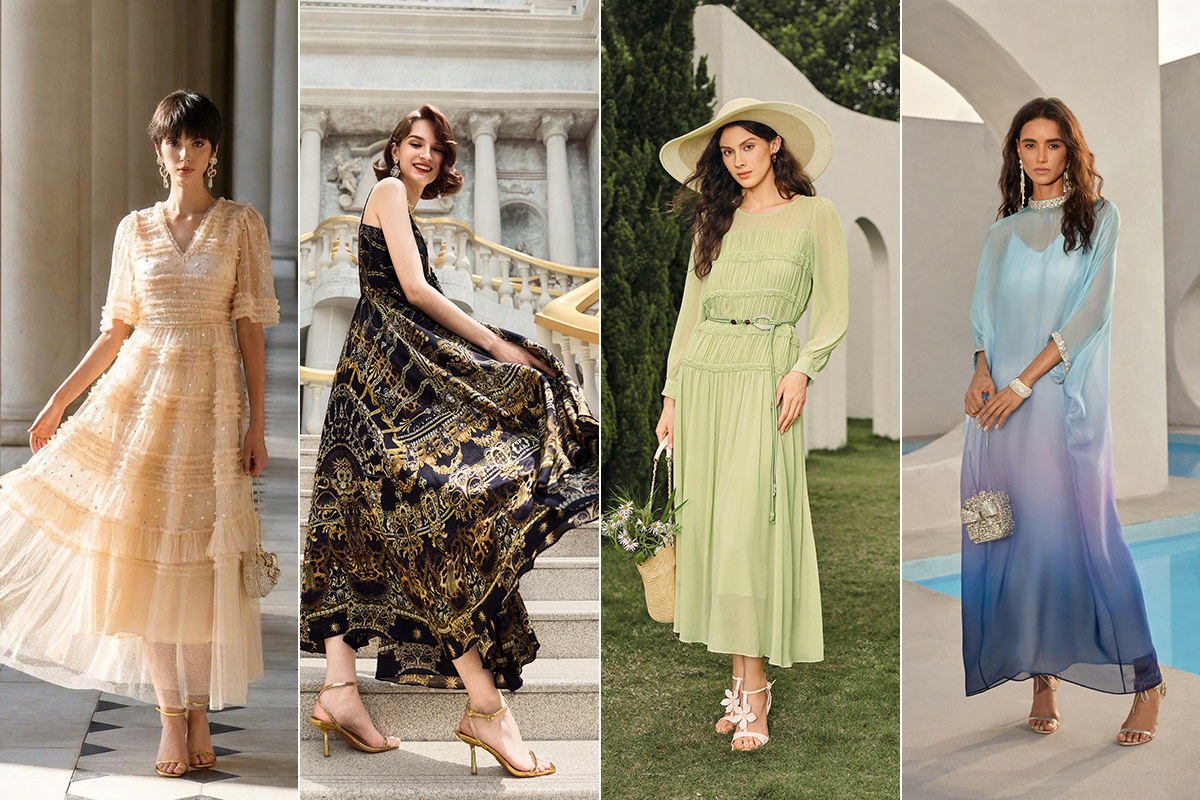
A formal outfit usually combines an elevated silhouette with polished materials, considered coverage, and coordinated accessories. The garment should look appropriate from every angle and remain presentable while standing, walking, and sitting.
Common formal choices include:
- A floor-length evening gown
- A refined midi or tea-length dress
- A structured or draped formal jumpsuit
- A tailored evening suit
- Dressy separates that create a cohesive outfit
Length contributes to formality, but it is not the only factor. A heavily casual maxi dress may be less formal than a beautifully constructed midi dress. Tailoring, surface detail, color, neckline, and overall styling can all change how the outfit is perceived.
Women looking for event-ready options can begin by comparing RichRadiqsevent and evening dresses, then review each product’s length, measurements, closure, lining, and material information.
Understand Why Formal Attire Changes by Event
The word “formal” is broad. A formal beach wedding, an evening charity gala, and a corporate awards dinner may all require polished clothing, but they do not create identical expectations.
A formal wedding may allow romantic color, embroidery, or a flowing silhouette. A gala may support greater drama and a longer hem. A corporate event often calls for more controlled coverage and a cleaner shape.
Your role matters too. A wedding guest should avoid appearing bridal, while a presenter at a corporate ceremony may need an outfit that remains composed onstage and in professional photographs.
Use the Invitation, Venue, and Time to Judge Formality
Begin with the invitation. Look for specific phrases such as:
- Formal attire
- Black tie
- Black tie optional
- Cocktail attire
- Semi-formal
- Business formal
- Festive formal
Next, consider the venue. A ballroom, private club, luxury hotel, historic property, or formal place of worship usually supports a more elevated outfit than an outdoor restaurant or relaxed garden venue.
Time also provides a clue. Evening events often favor deeper colors, controlled shine, and more substantial occasionwear. Daytime events may allow lighter colors and softer designs, provided the outfit still meets the stated dress code.
When the invitation and venue seem to send different signals, follow the invitation first. If the wording remains unclear, ask the host rather than relying on assumptions.
Compare Formal Attire With Other Women’s Dress Codes
Formal Attire vs. Semi-Formal Attire
Formal attire sits above semi-formal attire in the traditional dress-code hierarchy.
For a formal event, a woman may wear a floor-length gown, an elevated midi dress, or an equally refined jumpsuit. Semi-formal events generally allow more flexibility, including knee-length and midi dresses with simpler materials and accessories.
The dividing line is not always exact. A polished midi dress may work for either category, while the venue, time, and styling determine whether it feels formal enough.
Formal Attire vs. Cocktail Attire
Cocktail attire is dressy and celebration-ready but generally less ceremonial than formal attire. Knee-length and midi cocktail dresses are common, while floor-length gowns are usually not required.
Formal attire allows—and sometimes expects—a longer hem, more refined construction, or a stronger evening presence. However, a sophisticated midi dress can still work when the invitation says “formal” rather than explicitly requiring black tie.
For a detailed explanation of the less formal category, read the RichRadiqs guide tococktail attire for women.
Formal Attire vs. Black-Tie Attire
Black tie is a specific formal dress code rather than a general synonym for dressing up. For women, a floor-length evening gown is the traditional and safest choice. A particularly elevated formal midi may be accepted at some contemporary black-tie events, but the venue, host, and local conventions matter.
If an invitation states “black tie optional,” a floor-length gown remains appropriate, while a sophisticated formal dress or evening suit may also work.
When the invitation explicitly requires black tie, avoid assuming that any expensive or embellished dress will qualify. Length, design, fabric, and overall presentation should suit the ceremonial nature of the occasion.
Formal Attire vs. Business Formal Attire
Business formal clothing is designed for professional settings. It prioritizes tailored lines, controlled coverage, and a restrained finish. A structured midi dress, tailored suit, or polished jumpsuit may work better than a dramatic evening gown.
Formal social attire allows more room for draping, decorative texture, sparkle, and statement silhouettes. Business formal generally requires those details to remain secondary to a professional appearance.
For work-related celebrations, the RichRadiqs guide toformal dresses for company parties and corporate events provides more specific guidance.
Choose an Appropriate Formal Dress or Outfit

Decide Between a Floor-Length Gown and a Formal Midi Dress
A floor-length gown is the most reliable option for black-tie galas, formal evening weddings, charity balls, and ceremonies with a clearly traditional dress code.
A formal midi dress can work for many weddings, dinners, award ceremonies, cocktail-formal events, and modern celebrations. To appear sufficiently elevated, it should offer more than length alone. Consider its silhouette, surface detail, finish, and relationship to the venue.
If the main uncertainty is hem length, compare the practical differences in the RichRadiqs guide tomidi and maxi dresses.
Floor length may create a more ceremonial impression, while midi length can make walking and displaying formal footwear easier. The right choice depends on the invitation rather than a universal preference for one length.
Consider Dress Silhouette, Neckline, Sleeves, and Coverage
A formal silhouette should create a clear, deliberate shape. A-line, column, fit-and-flare, sheath, wrap, and softly draped designs can all work when the rest of the garment supports the dress code.
Evaluate the neckline and coverage in relation to the event. A lower neckline may be appropriate for an evening gala but uncomfortable at a religious ceremony or professional dinner. Sheer areas, high slits, cutouts, and open backs also need to be considered in the context of the venue and host.
Sleeves are optional for most formal events, but they can add coverage and help adapt the outfit to cooler temperatures or more conservative settings.
Evaluate Fabric, Color, and Embellishment
Formal clothing often uses materials and finishes that appear more refined than ordinary daytime clothing. Smooth surfaces, controlled drape, lace, embroidery, beading, pleating, or restrained shine can contribute to an occasion-ready look.
The exact material should always be confirmed through the product description or garment label. Photographs cannot reliably establish fiber content, stretch, lining, weight, or transparency.
Color should respond to the event. Black, navy, deep green, burgundy, metallic tones, and other rich shades often work for evening occasions. Softer colors can suit daytime formal events.
At weddings, avoid white, ivory, or another bridal-looking color unless the couple has requested it. Cultural and religious events may have additional color expectations, so check with the host when necessary.
Wear a Dressy Jumpsuit or Tailored Separates When Appropriate
A dress is not the only possible formal outfit. A full-length jumpsuit can work when it has a refined cut, sufficient structure, and an evening-appropriate finish. An elegant pantsuit or coordinated separates may also be suitable.
The complete outfit should read as occasionwear rather than ordinary office clothing. A basic work blazer and trousers do not automatically become formal when paired with heels.
Formal alternatives are most dependable when the dress code is broad. For traditional black-tie or highly ceremonial events, a floor-length gown may still be the safer option.
Confirm Fit and Mobility Before the Event
A formal outfit needs to work for the actual schedule. Try it on with the intended undergarments, shoes, and outer layer.
Sit in a chair, walk at a normal pace, climb a step, raise your arms, and test any closures. Check whether the neckline shifts, the skirt restricts your stride, the lining rises, or embellishment catches on other parts of the garment.
If the dress is floor length, confirm that the hem clears the ground when you wear the intended shoes. Alterations should be completed early enough to allow another full fitting.
Dress Formally for Different Types of Events

Formal Weddings and Evening Receptions
For a formal wedding, the invitation is the primary guide. A floor-length gown is a reliable choice for a formal evening celebration, while an elevated midi dress may suit certain daytime or modern formal weddings.
Venue and season can refine the decision. A ballroom reception may call for a longer and more ceremonial design. A formal garden wedding may support a softer silhouette, provided the fabric, coverage, and styling remain polished.
Explore RichRadiqswedding guest dresses only after confirming the dress code, and review each product individually rather than assuming every item in the collection suits every wedding.
Galas, Charity Dinners, and Award Ceremonies
These occasions often take place in ballrooms, hotels, museums, or performing-arts venues. A full-length gown is usually the safest direction when the invitation indicates black tie or a high level of formality.
A formal midi or evening suit may work when the event uses broader wording. Consider whether the event includes a stage presentation, formal photography, dancing, or long periods of sitting.
Statement details can be appropriate, but they should not prevent the garment from functioning throughout the event.
Formal Dinners and Holiday Celebrations
A formal dinner may allow more flexibility than a black-tie gala. A long dress, embellished midi, tailored jumpsuit, or evening suit may all be viable depending on the location and host.
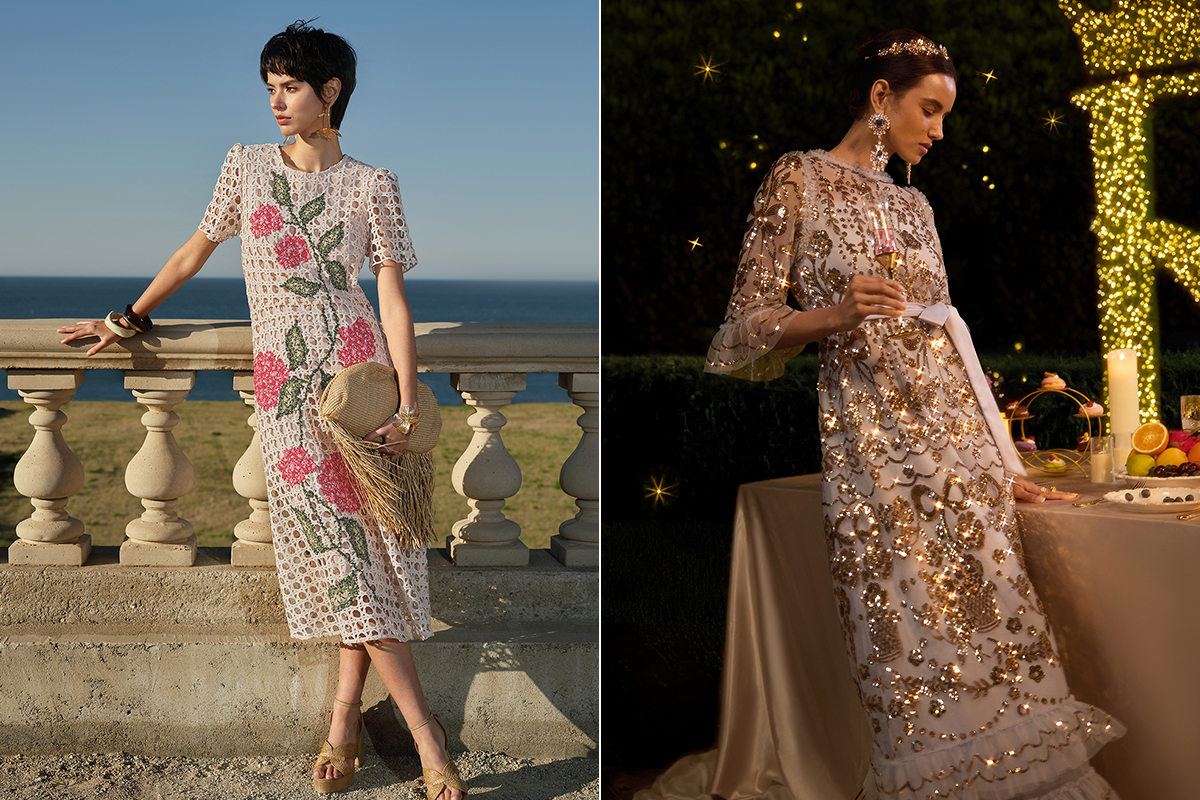
Festive formal events can support richer colors, decorative texture, or restrained sparkle. That does not mean every element must compete for attention. When the garment already features elaborate embellishment, quieter shoes, jewelry, and accessories can keep the outfit cohesive.
Company Parties and Corporate Events
Professional relationships remain part of a company celebration. Select an outfit that looks polished around coworkers, managers, clients, or business partners.
A refined midi dress, tailored sheath, formal jumpsuit, or structured evening suit may be more suitable than a revealing party dress or dramatic gala gown. Coverage should remain dependable while sitting, standing, networking, and appearing in photographs.
Cultural, Religious, and Venue-Specific Occasions
General fashion advice cannot replace event-specific customs. Certain venues or ceremonies may require covered shoulders, a particular hem length, a head covering, or avoidance of specific colors.
Never assume that “formal” overrides these expectations. Ask the host, consult the venue’s guidance, or follow instructions included with the invitation.
A shawl can provide temporary coverage, but it may not be an adequate solution if the ceremony requires clothing to remain covered throughout.
Complete a Women’s Formal Outfit

Select Heels or Dressy Flats for the Venue
Heels are common with formal clothing, but they are not mandatory. Dressy flats, refined slingbacks, or polished low heels can also work.
Match the shoe to the environment. Narrow heels may sink into lawns or become unstable on historic flooring. A secure low heel or formal flat may be better for events involving extended standing or dancing.
Always test the shoe with the dress because heel height changes how a long hem meets the floor.
Coordinate Jewelry With the Dress Details
Jewelry should respond to the garment rather than follow a fixed quantity rule. An unembellished neckline may accommodate a necklace, while a beaded collar or highly decorated bodice may need little additional detail.
Consider where the dress already reflects light. Sequins, crystals, metallic thread, and glossy fabric all contribute visual emphasis. Adding equally prominent jewelry everywhere can make the outfit feel disconnected.
Carry a Small Structured Bag or Evening Clutch
A compact clutch, small top-handle bag, or refined shoulder bag generally works well for formal events. It should hold the essentials without adding the visual weight of a large everyday tote.
The bag does not need to match the shoes exactly. It should simply belong to the same level of formality and avoid clashing with the dress’s strongest colors or decorative elements.
Add a Wrap, Jacket, or Formal Coat
Outerwear is part of the outfit when arrivals, departures, or portions of the event take place outside.
A tailored coat, refined evening jacket, cape, or wrap can provide warmth without making the outfit look casual. Confirm that the layer fits over the sleeves and embellishment without crushing, catching, or distorting the dress.
Keep Hair and Makeup Consistent With the Event
Formal grooming should look considered, but it does not require one specific hairstyle or makeup level. A neat natural style can be as appropriate as a more elaborate evening look.
Climate, duration, and personal comfort matter. Choose an approach that remains manageable through the event rather than one that only looks suitable at the beginning of the evening.
Avoid Common Formal Attire Mistakes
Do Not Ignore an Explicit Dress Code
The clearest error is choosing an outfit for a different level of formality. A cocktail dress may be too relaxed for traditional black tie, while a dramatic gown may feel excessive at a semi-formal dinner.
Use the invitation’s exact wording. If the host has provided examples or venue guidance, treat them as more relevant than generic advice.
Avoid Outfits That Are Too Casual for the Setting
Casual jersey dresses, beach cover-ups, everyday workwear, denim, sneakers, and oversized daytime bags rarely satisfy a formal dress code.
A long hem does not automatically correct casual construction or styling. Evaluate the entire outfit rather than relying on one formal-looking feature.
Do Not Assume More Embellishment Always Means More Formal
Sequins, beading, feathers, lace, and metallic surfaces can add occasion value, but quantity is not the same as appropriateness.
A clean, well-fitted column dress may look more formal than a highly decorated garment with an overly casual shape. Balance surface detail with silhouette, coverage, and the character of the event.
Test the Complete Outfit for Sitting, Walking, and Standing
Trying on only the dress leaves important questions unanswered. Shoes affect hem length, undergarments affect the bodice, and outerwear can interfere with sleeves or embellishment.
Wear the complete outfit before the event and repeat the movements the occasion will require. If a garment needs constant adjustment during a short fitting, it is unlikely to become easier during several hours of wear.
Conclusion
Formal attire for women includes polished dresses, gowns, jumpsuits, and tailored separates selected for an important occasion. The invitation establishes the dress code, while the venue, time, culture, weather, and your role determine how to interpret it.
A floor-length gown is the safest direction for traditional black tie. An elevated midi dress or formal jumpsuit may work for broader formal events. Whatever form the outfit takes, it should remain appropriate and functional throughout the occasion.
After confirming the dress code, compare the current RichRadiqsevent dress collection and review the individual garment details before choosing a style.


Leave a comment
This site is protected by hCaptcha and the hCaptcha Privacy Policy and Terms of Service apply.