


What to Wear With a Maxi Dress: Shoes, Jackets, and Accessories
What you wear with a maxi dress should depend on the dress itself: its color, neckline, silhouette, hem length, and decorative details. Flat sandals, sneakers, heels, boots, denim jackets, blazers, wraps, and different bags can all work, but they do not suit every maxi dress or occasion.
Begin with the dress code and the strongest visual feature of the garment. A relaxed printed maxi may work with flat sandals and a crossbody bag, while an embellished evening design may need refined heels, a small clutch, and minimal jewelry.
Before adding accessories, make sure the hem works with the intended shoes and does not drag while you walk.
Start With the Maxi Dress’s Color, Shape, and Details
Identify Whether the Dress Is Casual, Smart-Casual, or Formal
“Maxi” only describes the dress’s length. It does not tell you whether the garment is casual or formal.
A simple daytime maxi may suit vacations, weekends, and informal lunches. A structured or polished design may work for smart-casual settings. A maxi with an elevated silhouette or decorative surface may suit weddings and evening events.
Review the invitation or venue before styling the dress. Accessories can adjust the direction of an appropriate garment, but they cannot reliably transform a beach dress into formalwear.
Explore the RichRadiqs maxi dress collection to compare long silhouettes, then review the measurements and product information for the individual style.
Consider the Neckline, Sleeves, Waist, and Skirt Volume
The shape of the dress should guide the surrounding pieces.
A high or decorated neckline may not need a necklace. A sleeveless dress leaves room for a jacket, wrap, or bracelet. A defined waist can be hidden by a long shapeless cardigan, while a fuller skirt may need a simpler upper layer.
Skirt volume matters too. A flowing maxi creates more movement and visual weight than a narrow column dress. Select shoes and accessories that support the existing silhouette instead of introducing a competing shape.
Let a Strong Print or Embellishment Guide the Rest of the Outfit
If the dress has a bold print, embroidered surface, beaded neckline, sequins, ruffles, or dimensional appliqué, treat that detail as the outfit’s main visual feature.
Simple shoes, a compact bag, and restrained jewelry will usually allow the garment to remain clear. Adding several unrelated statement accessories can make the outfit appear crowded.
A minimal maxi dress provides more space for a stronger earring, decorative shoe, or structured bag. The point is not that only one item may be interesting, but that the details should relate to one another.
Confirm That the Hem Works With the Intended Shoes
Try the maxi dress with the actual shoes you intend to wear.
The hem should remain clear of the ground when standing and walking. It should not become trapped under the heel or require you to lift the skirt continuously.
A change from flats to heels affects how the dress relates to the floor. If a gown has been altered for a particular heel height, switching to flat shoes may cause the hem to drag.
Choose the Right Shoes to Wear With a Maxi Dress

Wear Flat Sandals for Relaxed Warm-Weather Outfits
Flat sandals work naturally with many casual, vacation, and daytime maxi dresses.
Choose a sandal that matches the dress’s level of polish. Simple leather-style straps can create a different effect from beach flip-flops or heavily athletic footwear.
The venue still matters. Flat sandals may be practical for a resort or outdoor lunch but too casual for an event with a formal dress code.
Pair Sneakers With Casual Maxi Dresses
Sneakers can make a casual maxi dress feel more relaxed and practical for walking.
Low-profile designs usually sit cleanly beneath a long hem. Bulky shoes introduce more visual weight around the bottom of the dress and may require a slightly shorter hem to remain visible.
Sneakers are most suitable with relaxed or everyday maxi dresses. They do not automatically work with formal gowns, wedding guest dresses, or highly embellished eveningwear.
Choose Heels or Dressy Sandals for Weddings and Evening Events
Heels and refined sandals can support a dressier maxi outfit, but heel height should not be chosen only for appearance.
Consider the venue, ground surface, and duration of the event. Block heels may provide more stability on grass, while narrow heels are easier to wear on firm indoor flooring. Dressy flats and lower heels are also valid when they suit the outfit.
For wedding styling, review the RichRadiqs wedding guest dress collection after confirming the invitation and venue. Not every maxi dress meets every wedding dress code.
Wear Ankle or Knee-High Boots in Cooler Weather
Boots can extend the use of a maxi dress into fall and winter.
Ankle boots work well when the hem leaves enough space for the footwear to remain visible. Knee-high boots can continue beneath the skirt for additional coverage, provided the dress moves freely over the boot shaft.
Avoid a combination that catches while walking. A narrow skirt and wide boot shaft may interfere with each other even when they look compatible while standing.
Match the Shoe Height to the Maxi Dress Hem
The relationship between shoe height and hem length is functional as well as visual.
A maxi dress may end at the ankle, top of the foot, or just above the floor. Different brands use the term broadly, so review the actual garment measurement.
If you are uncertain about the boundary between longer dress categories, consult the RichRadiqs guide to midi versus maxi dresses.
Select a Jacket or Layer for a Maxi Dress
Add a Denim Jacket for a Casual Outfit
A denim jacket can make a relaxed maxi dress feel suitable for everyday plans, travel, or a casual weekend.
A cropped or waist-length jacket usually keeps more of the dress visible. A longer jacket can also work, but it changes the silhouette and may cover a defined waist.
Denim is generally a casual material. Do not depend on it for weddings, formal dinners, or events where the invitation requests elevated attire.
Wear a Blazer for Work and Smart-Casual Settings

A blazer can add structure to a maxi dress and make the outfit appear more polished.
Look at where the blazer ends in relation to the dress’s waist and skirt. A tailored or cropped style can preserve the dress’s shape, while an oversized blazer creates a looser, more contemporary line.
Before wearing a maxi dress to work, consider the workplace dress code, neckline, transparency, hem practicality, and skirt movement. A blazer cannot correct a dress that is otherwise unsuitable for the setting.
Use a Cropped Jacket to Keep the Waist Visible
A cropped jacket ends near the natural waist or upper hip and can preserve the proportions of a dress with a defined waistline.
This type of layer works with many fit-and-flare, wrap, and belted maxi dresses. It can also prevent the outfit from feeling overwhelmed by several long vertical layers.
The exact result depends on the individual garment. Test the jacket with the dress instead of assuming that every cropped style will end at the correct point.
Add a Cardigan or Knit Layer for Everyday Wear
A cardigan can soften a casual maxi outfit and provide warmth in air-conditioned rooms or transitional weather.
Shorter cardigans maintain more waist definition. Long cardigans create an extended layered line but may add bulk or conceal the dress’s shape.
Check that the cardigan does not catch on beading, sequins, lace, or appliqué. A smooth layer is often easier to wear over a dress with a detailed surface.
Choose a Wrap, Cape, or Formal Coat for Evening Events
A refined wrap, cape, evening jacket, or formal coat can complement a maxi dress at weddings, dinners, and special occasions.
The layer should fit around the sleeves and shoulders without distorting the dress. It should also provide enough warmth for arrivals and departures rather than working only as a decorative accessory.
For more elevated occasions, compare appropriate styles in the RichRadiqs event and evening dress collection.
Coordinate Bags and Jewelry With a Maxi Dress
Carry a Crossbody or Structured Bag for Daytime Plans
A crossbody bag can work with casual maxi dresses when it is compact enough not to distort the bodice or waist.
A structured top-handle or shoulder bag creates a more polished daytime direction. It may be suitable for lunch, shopping, work, or smart-casual plans depending on the dress.
Pay attention to where the bag rests. Hardware and textured materials can catch on lace, embroidery, pleats, or delicate surfaces.
Use a Woven Bag for Vacation and Resort Outfits

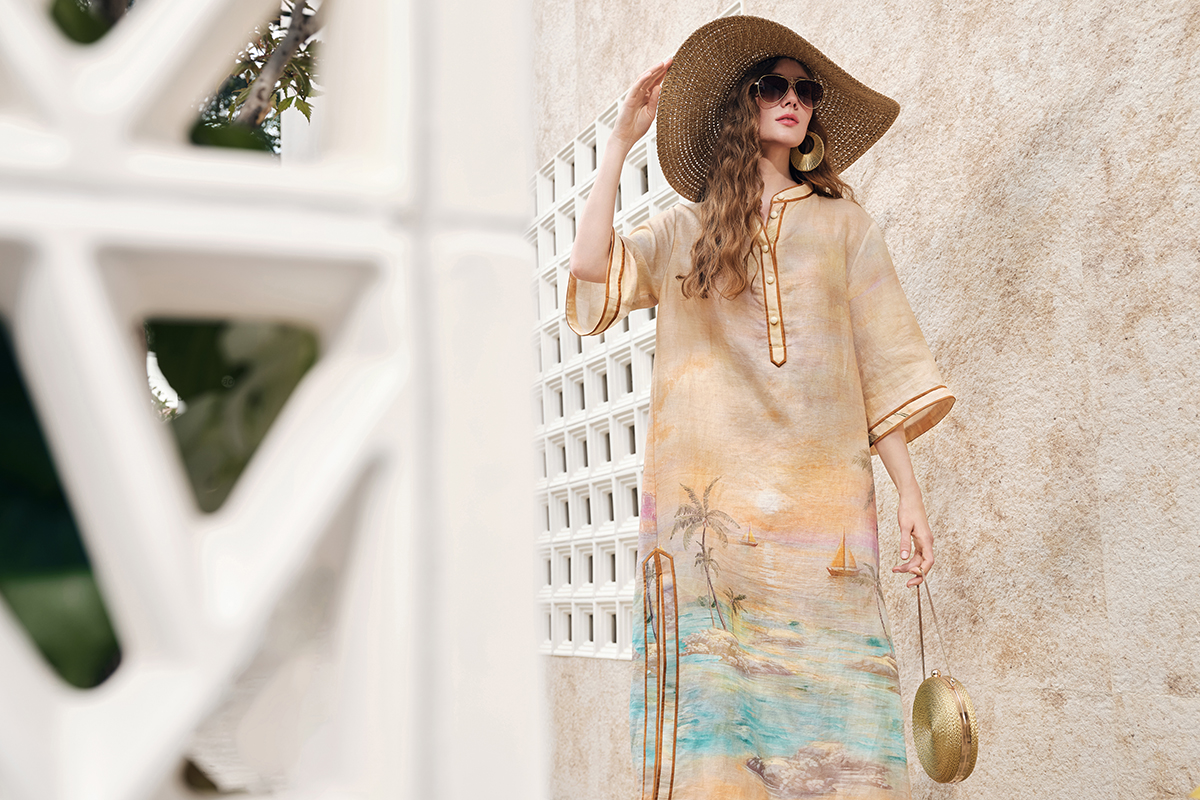
A woven bag can complement a relaxed resort or vacation maxi dress.
A larger tote may suit daytime essentials, while a smaller woven bag can transition into dinner. Make sure the bag’s texture does not snag the garment.
Woven accessories generally create a more casual direction. For an upscale resort dinner, choose a compact, polished version rather than an oversized beach tote.
Select a Clutch or Mini Bag for Formal Occasions
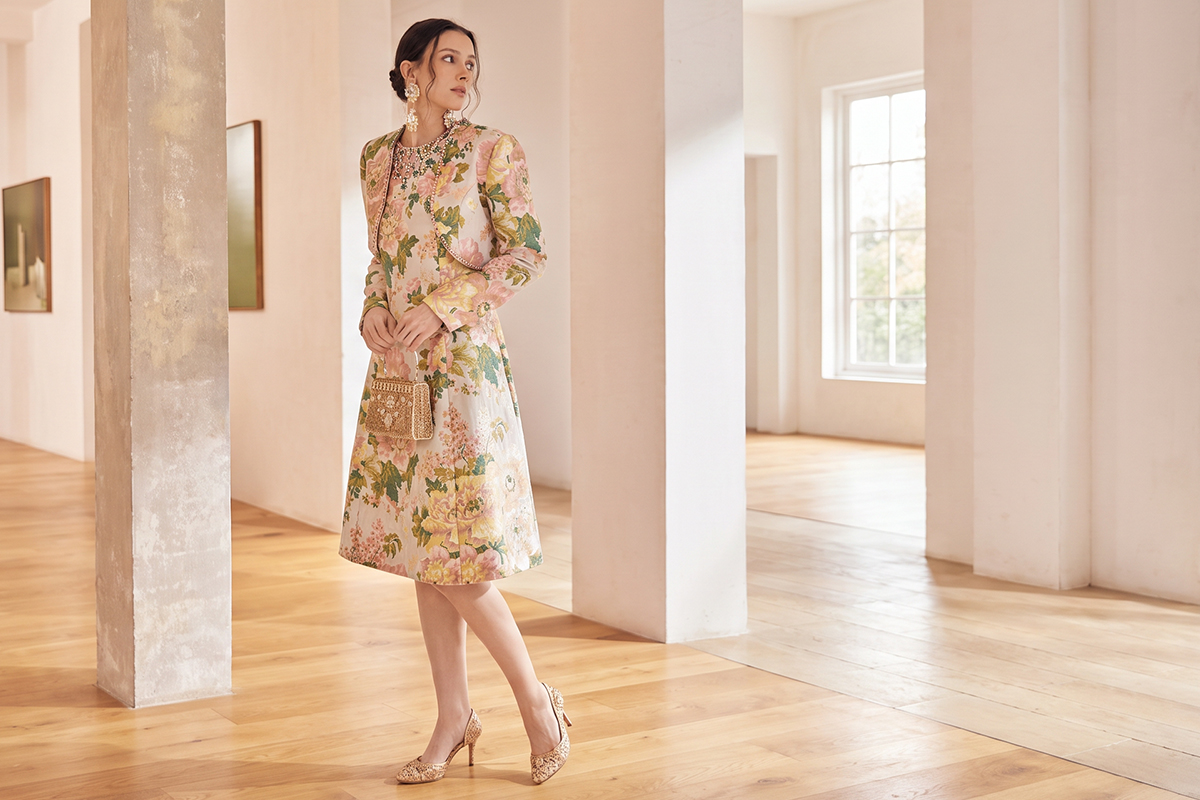
A clutch, mini shoulder bag, or compact structured bag usually suits an occasion maxi dress better than a large everyday tote.
Select a surface that coordinates with the garment. If the dress has heavy embellishment, a simple bag can prevent competition. If the dress is minimal, the bag may carry more visual interest.
Make sure it can hold necessary items without becoming difficult to close or carry.
Match Jewelry to the Neckline and Dress Details
The neckline provides a useful starting point for jewelry.
A high, embroidered, or beaded neckline may need only earrings. An open neckline may accommodate a necklace, while statement earrings can frame the face without interfering with the dress.
Long necklaces can shift forward when you sit or lean. Bracelets may catch on cuffs or strike tableware. Test the jewelry with the activities required by the event.
Avoid Accessories That Compete With Strong Prints or Embellishment
A printed or embellished maxi dress already contains multiple visual elements.
Instead of adding a necklace, statement earrings, jeweled shoes, and a highly decorated bag together, identify which accessories are actually needed. Removing one element can often make the entire outfit clearer.
This is not a rule that every outfit must be minimal. It is a way to keep the styling connected to the dress.
Style a Maxi Dress for Different Occasions
Casual Weekends and Daytime Outings
For casual plans, pair a relaxed maxi dress with flat sandals, sneakers, a crossbody bag, and an optional denim jacket or cardigan.
The outfit should remain easy to walk and sit in. Confirm that the hem stays clear of the ground in flat shoes.
Avoid adding too many dressy accessories to a garment designed for everyday wear. A simple combination can look more coherent than an attempted formal transformation.
Work and Smart-Casual Events
For work or smart-casual settings, consider a maxi dress with a controlled neckline, manageable hem, and sufficiently polished silhouette.
Add a blazer, structured bag, loafers, dressy flats, or low heels. Keep jewelry relatively restrained.
Workplace rules vary, so the outfit should respond to the actual environment rather than a general claim that every maxi dress is office-appropriate.
Beach Vacations and Resort Dinners
For daytime resort wear, a relaxed maxi dress may work with flat sandals, a woven bag, a hat, and limited jewelry.
To move into dinner, replace the daytime tote with a smaller bag and choose more polished footwear. A lightweight wrap may help in an air-conditioned restaurant or during a breezy evening.
A dress worn over swimwear may not provide the coverage required away from the beach. Confirm the lining and transparency before using it as a complete dinner outfit.
Date Nights and Evening Parties
A dinner or evening party may support a long dress with a streamlined silhouette, deeper color, decorative surface, or refined drape.
Pair it with heels, dressy flats, or polished sandals. Add a compact bag and jewelry that responds to the neckline.
If the event specifies cocktail attire, remember that certain maxi dresses may appear too casual or too formal. The full design must match the dress code.
Weddings and Formal Celebrations
For weddings and formal events, the invitation takes priority.
A maxi dress may suit formal, destination, garden, or evening celebrations, but the material, silhouette, color, and decoration must fit the setting. Avoid bridal-looking white or ivory unless the couple requests it.
Use refined shoes, a small bag, and a formal layer where needed. Do not assume that the long hem alone makes the dress appropriate.
Wear a Maxi Dress in Different Seasons
Keep Summer Outfits Light and Practical
For warm weather, consider the garment’s documented fiber content, lining, sleeve design, and skirt volume.
Photographs cannot prove that a dress is breathable or lightweight. Review the product information and avoid making assumptions based on a flowing appearance.
Flat sandals, compact bags, hats, and removable layers can support summer styling when they suit the occasion.
Add a Jacket and Closed-Toe Shoes for Spring and Fall
Spring and fall often require adaptable layers.
A denim jacket, cardigan, blazer, or cropped jacket can provide warmth depending on the dress and venue. Loafers, ankle boots, pumps, and closed-toe flats may replace summer sandals.
Coordinate the layer with the dress’s waist and skirt rather than selecting one solely because of the season.
Layer a Maxi Dress With Boots and a Coat in Winter
For colder weather, pair a maxi dress with boots and a coat that provides practical coverage.
Make sure the boot shaft does not catch beneath a narrow skirt. The coat should fit over the dress without crushing structured sleeves or dimensional embellishment.
If extra layers are worn underneath, test the complete outfit to ensure the bodice and sleeves remain comfortable.
Adapt Color and Fabric Weight to the Season
Darker colors often appear natural in fall and winter, while brighter and lighter colors are common in spring and summer. These are styling tendencies, not compulsory palettes.
Material weight and lining affect comfort more directly than color. Use the garment’s documented specifications to determine whether it suits the expected temperature.
Follow the Garment’s Care and Material Information
Seasonal styling may expose a maxi dress to rain, heat, humidity, sunscreen, or contact with outerwear.
Read the care label before cleaning, steaming, or ironing. Pleats, beading, lace, embroidery, and other decorative features may require special handling.
Do not apply one cleaning or steaming method to every maxi dress.
Check the Complete Maxi Dress Outfit
Make Sure the Hem Does Not Drag on the Ground
The hem should clear the surface while you walk in the intended shoes.
Check the front, sides, and back. High-low and asymmetric dresses may have different risk points. Stairs and outdoor surfaces require particular attention.
If the hem is too long, professional alteration may be preferable to relying on higher shoes for every wear.
Test the Outfit While Sitting, Walking, and Using Stairs
Walk at a normal pace, sit in a chair, climb a step, and turn around.
Observe whether the skirt restricts movement, catches on the shoes, rises excessively, or becomes difficult to manage. Also test the bag and outer layer.
An outfit that works only while standing still is not ready for a full day or evening.
Keep Layers From Hiding or Distorting the Dress Shape
A jacket or cardigan should not pull the neckline, crush decorative sleeves, or erase the dress’s intended waist unless that is the desired silhouette.
View the outfit from the front, side, and back. Open and close the layer to see how both versions work.
Confirm That Shoes and Accessories Match the Dress Code
Accessories cannot correct a dress chosen for the wrong occasion.
Before leaving, compare the complete outfit with the invitation, venue, time, and expected activities. If one item appears noticeably more casual or formal than everything else, reconsider it.
Remove Any Element That Makes the Outfit Feel Overstyled
When the outfit feels crowded, remove one accessory and look again.
The maxi dress already creates a strong continuous line. Styling should make that line easier to understand rather than covering it with several unrelated focal points.
Conclusion
The best shoes, jacket, bag, and jewelry for a maxi dress depend on the garment and the occasion.
Wear sandals or sneakers with casual daytime designs, a blazer and polished footwear for smart-casual settings, and refined heels or flats with a clutch for evening events. Choose outerwear that respects the dress’s waist, sleeves, and decoration.
Most importantly, test the hem with the intended shoes. Once you understand the occasion and measurements you need, compare current styles in the RichRadiqs maxi dress collection.


Leave a comment
This site is protected by hCaptcha and the hCaptcha Privacy Policy and Terms of Service apply.