


Article: What Makes a Dress a Cocktail Dress?
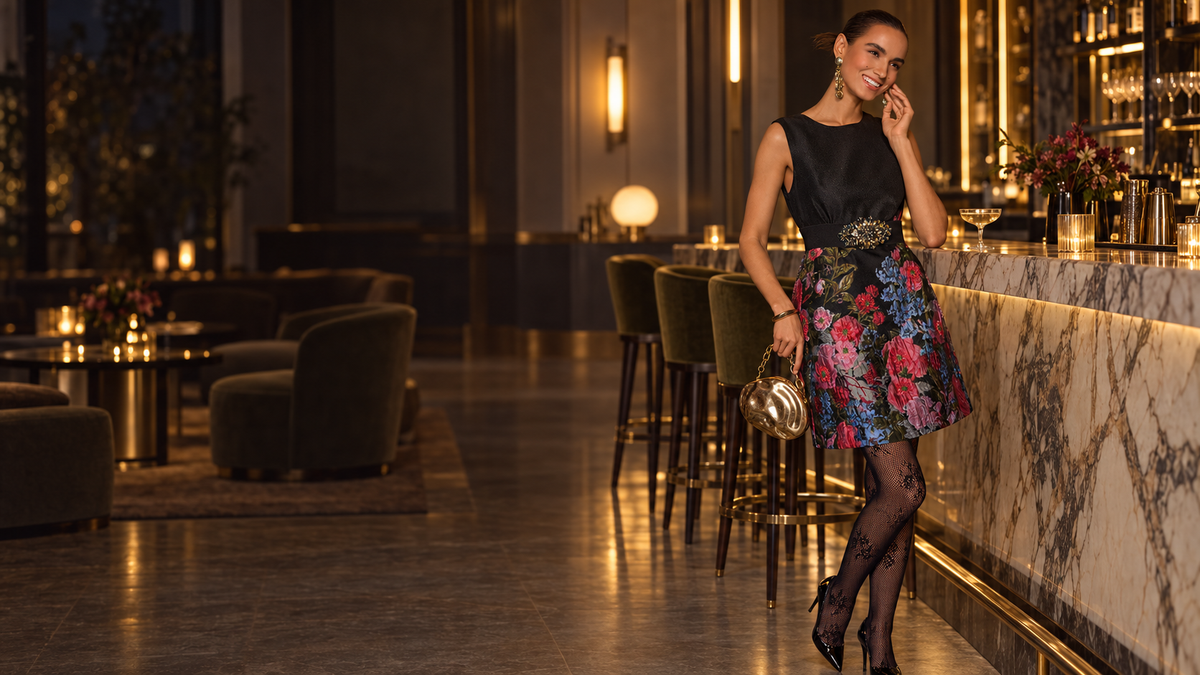
What Makes a Dress a Cocktail Dress?
A cocktail dress is a polished party dress that sits between casual daytime clothing and a formal evening gown. It usually has a knee-length or midi hemline, an elegant silhouette, refined fabric, and enough decorative detail to feel festive without becoming as elaborate as black-tie attire.
Dress length is important, but it does not define the category by itself. Fabric, fit, structure, embellishment, styling, and the occasion all contribute to whether a dress looks appropriate for cocktail attire.
Understand the Main Features of a Cocktail Dress
Cocktail dresses are designed for social occasions that require more effort than smart-casual clothing but less ceremony than white-tie or traditional black-tie events. They are commonly worn to wedding receptions, engagement parties, holiday celebrations, company events, upscale dinners, and evening fundraisers.
The most successful cocktail dresses balance elegance with comfort. You should be able to stand, sit, walk, and socialize without managing a heavy train or excessively restrictive construction.
Choose a Hemline Around the Knee or Midi Length
Traditional cocktail dresses usually fall slightly above the knee, at the knee, or below it. Tea-length and midi dresses are also popular because they create a sophisticated appearance while remaining easier to move in than a floor-length gown.
A very short dress can feel more suitable for a nightclub than a cocktail reception, particularly when it also has a tight fit, low neckline, or prominent cutouts. At the opposite extreme, a voluminous floor-length gown may look too formal.
The current selection of midi dresses from Rich Radiqs demonstrates how structured shapes, pleating, embroidery, and embellishment can make a practical mid-length silhouette feel event-ready.
Look for a Polished but Less Formal Silhouette
A cocktail dress should have a deliberate, finished shape. Common silhouettes include:
- A-line dresses
- Structured sheath dresses
- Fit-and-flare dresses
- Draped midi dresses
- Tailored wrap dresses
- Refined column dresses
- Asymmetrical cocktail dresses
The silhouette can be expressive, but it should not resemble either casual daywear or an elaborate ball gown. A fitted bodice with a controlled skirt, for example, often feels more appropriate than an oversized cotton dress or a heavily layered ceremonial gown.
Fit also matters. The dress should follow the body cleanly without pulling across the bust, waist, or hips. A well-fitted, understated dress generally appears more elegant than an expensive dress that sits poorly.
Select Elevated Fabrics and Refined Details

Fabric is one of the clearest indicators that a dress belongs in the cocktail category. Appropriate materials include satin, silk, velvet, lace, chiffon, crepe, jacquard, and finely pleated fabric.
Decorative details can include:
- Subtle sequins
- Beading or rhinestones
- Lace panels
- Metallic thread
- Embroidery
- Ruffles
- Draping
- Feather or fringe accents
The decoration should support the silhouette rather than overwhelm it. A fully sequined dress may work for an evening celebration, while a structured crepe dress with restrained jewelry may be better for a corporate reception.
The Rich Radiqs event-ready collection offers examples of how fabric, construction, and ornamentation can elevate an outfit without relying only on dress length.
Know How Cocktail Dresses Differ From Other Dress Types
Cocktail attire overlaps with several other dress codes, which is why invitation wording can be confusing. Understanding the differences helps prevent both overdressing and underdressing.
Cocktail Dresses vs. Evening Gowns

The main difference is usually the degree of formality. An evening gown is commonly ankle-length or floor-length and may feature a train, dramatic volume, or more elaborate construction. It is designed for galas, black-tie weddings, formal dinners, and ceremonial occasions.
A cocktail dress is generally shorter, lighter, and easier to move in. It still looks refined, but it does not carry the same ceremonial presence as a gown.
This does not mean that every long dress is an evening gown. A streamlined ankle-length dress may work for a cocktail event if it has a controlled silhouette and avoids ball-gown volume. The venue and invitation should guide the final decision.
Cocktail Dresses vs. Semi-Formal Dresses
Cocktail and semi-formal attire are closely related. In practice, cocktail clothing often feels more festive and evening-oriented, while semi-formal clothing may be quieter and more appropriate for daytime events.
A cocktail dress may feature sequins, satin, bold color, or distinctive embellishment. A semi-formal dress may rely on a simpler silhouette, softer fabric, and restrained accessories.
The difference is contextual rather than absolute. The same navy midi dress could look semi-formal with simple pumps and understated jewelry or cocktail-ready with embellished heels, statement earrings, and an evening clutch.
Cocktail Dresses vs. Casual Party Dresses
A casual party dress may use cotton, jersey, linen, smocking, or relaxed construction. It can be attractive and festive but may not be polished enough for a stated cocktail dress code.
Cocktail dresses usually have:
- More structure
- A cleaner fit
- Dressier fabric
- More refined finishing
- Formal shoes and accessories
Jeans, casual sundresses, T-shirt dresses, flip-flops, sneakers, and oversized daytime bags generally do not belong in a cocktail outfit. A protocol guide from Georgia College similarly describes cocktail attire as a classic, fashion-forward form of dress commonly worn to parties and social functions.
Choose a Cocktail Dress for the Occasion
There is no single cocktail dress that works for every event. Venue, season, schedule, and the host’s expectations should influence the final outfit.
Wear Classic Styles to Weddings and Receptions
For a cocktail wedding, choose a knee-length, tea-length, or midi dress in a polished fabric. Refined floral patterns, jewel tones, soft pastels, lace, pleating, and controlled embellishment can all work.
Avoid white, ivory, and bridal-looking designs unless the couple has specifically requested them. You should also avoid anything excessively revealing or attention-seeking.
The complete guide to what clothes to wear to a wedding provides additional guidance for matching an outfit to the wedding venue and stated dress code.
Consider More Festive Details for Evening Parties
Evening cocktail events allow richer colors and more visible decoration. Black, burgundy, emerald, navy, metallic shades, and deep jewel tones work particularly well after dark.
Sequins and beading are also appropriate when balanced by a clean silhouette. If the dress already contains strong embellishment, keep the jewelry and shoes relatively simple.
For a professional event, choose a secure neckline, comfortable hemline, and controlled amount of shine. This guide to formal dresses for company parties explains how to preserve personality while maintaining a polished appearance around coworkers and clients.
Adapt the Color and Fabric to the Season
Cocktail dressing should reflect the weather as well as the event.
For spring and summer, consider chiffon, lace, silk, lightweight satin, and softly structured fabrics. Floral embroidery, pastels, bright colors, and lighter metallic shades can suit outdoor receptions and daytime celebrations.
For fall and winter, consider velvet, jacquard, heavier satin, sequins, and long-sleeved designs. Burgundy, forest green, navy, plum, gold, and black create a richer seasonal effect.
Holiday events often allow more sparkle and dramatic color than conventional receptions. The Rich Radiqs guide on how to dress for a Christmas party provides ideas for adjusting cocktail attire to office celebrations, dinners, and festive evening parties.
Style a Cocktail Dress Correctly
Accessories help establish the dress code. Even the right dress can appear too casual when paired with everyday shoes or an oversized bag.
Pair the Dress With Elegant Shoes
Choose pumps, slingbacks, refined sandals, kitten heels, or sophisticated flats. The shoes should coordinate with the dress without competing with it.
Comfort remains important because cocktail events often involve standing and socializing. Select a heel height you can wear confidently for several hours.
Add a Clutch and Balanced Jewelry

A compact clutch or structured mini bag looks more appropriate than a large tote. Match the scale of the jewelry to the dress.
A simple dress can support statement earrings or a bold cuff. A sequined or embroidered dress usually benefits from quieter accessories. The goal is balance rather than maximum decoration.
A current cocktail-attire guide from Who What Wear similarly recommends appropriate hemlines, compact bags, polished garments, and one carefully chosen statement accessory.
Complete the Outfit With a Refined Outer Layer
When the weather requires another layer, choose a tailored evening jacket, elegant wrap, cropped formal jacket, or softly draped shawl.
Avoid casual hoodies, bulky daytime parkas, and distressed denim jackets. The outer layer should maintain the same level of refinement as the dress, especially when arriving at the venue or taking photographs.
Conclusion
A dress becomes a cocktail dress through the combination of its length, fabric, silhouette, details, and styling. Most cocktail dresses fall around the knee or at midi length, use elevated materials, and look festive without becoming as elaborate as a formal evening gown.
The best choice should also match the venue, season, and invitation. When the dress code is unclear, select a polished midi silhouette with refined accessories. It is one of the most dependable options for weddings, receptions, dinner parties, and evening celebrations.


Leave a comment
This site is protected by hCaptcha and the hCaptcha Privacy Policy and Terms of Service apply.