


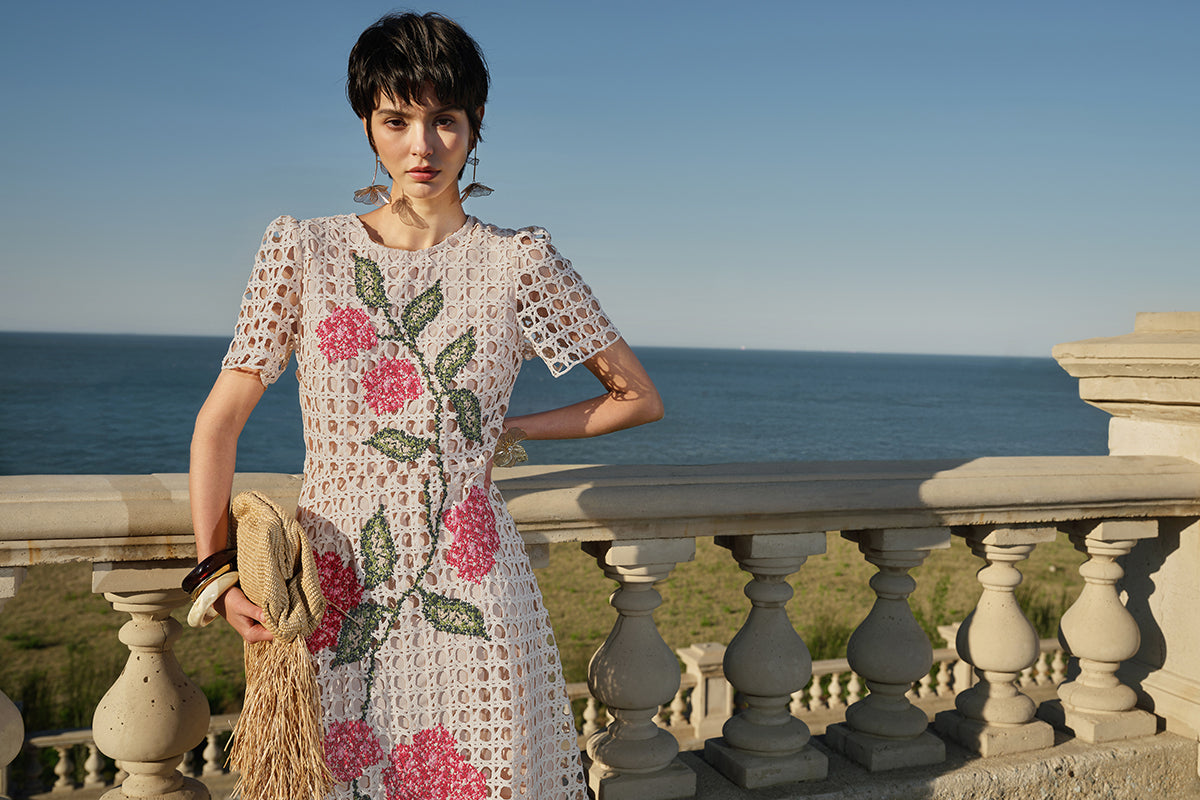
Petite Formal Dresses: How to Look Taller and Balanced
Finding the right petite formal dress is not just about choosing a smaller size. A well-chosen dress can make your frame look longer, your proportions feel more balanced, and your whole outfit look polished for the event. For petite women, details like clean lines, proper fit, defined waistlines, and the right length can make a big difference.
The key is to choose a formal dress that creates one smooth vertical line instead of cutting the body into shorter sections. This guide explains how to choose formalwear for petite frames, including dress length, silhouette, neckline, waistline, and styling details, so your outfit feels elegant, proportional, and elongating.
What Makes a Formal Dress Flattering for Petite Women?
A flattering formal dress for petite women should create a longer visual line and keep the outfit proportional from top to bottom. Since petite frames have less vertical space, the wrong dress can easily feel too heavy, too long, or too busy. Most flattering petite formal dresses have three things in common: clean lines, proper fit, and light structure.

When choosing a formal dress, look for details that help create a smooth vertical line, such as:
- Simple silhouettes that do not overwhelm the frame
- A waistline that sits in the right place
- Fabric that holds shape without looking bulky
- Necklines or seams that draw the eye up and down
- A hem length that works with your height and shoes
Clean Lines
Clean lines are one of the easiest ways to make a petite frame look taller in a formal dress. A dress with a simple shape, smooth fabric, and minimal bulk helps create a longer line instead of breaking the outfit into too many small sections. This does not mean the dress has to be plain. A subtle slit, soft drape, vertical seam, or elegant neckline can still add interest. The key is to avoid heavy layers, oversized bows, large ruffles, or wide horizontal details that can visually shorten a petite frame.
Proper Fit
Proper fit is especially important for petite formal dresses. If the shoulders are too wide, the waist sits too low, or the hem is too long, the dress can look oversized instead of elegant.
A good fit should make the dress feel intentional from top to bottom. The shoulder seams should sit correctly, the waist should define your shape, and the skirt should fall smoothly without bunching or dragging. Petite sizing can help, but small alterations like shortening straps, raising the waist slightly, adjusting the hem, or taking in the sides can make a big difference.
Light Structure
Light structure helps a formal dress keep its shape without overwhelming a petite frame. A lightly structured bodice, smooth lining, fitted waist, or clean seam can make the dress look more polished and finished.
For petite women, the best structure should feel refined, not stiff. Heavy fabrics, bulky skirts, or thick layers can add unnecessary volume. Instead, choose dresses that offer gentle shape while still allowing movement. This is especially useful for formal events where the dress needs to look good in photos and stay comfortable for several hours.
|
Key Element |
Why It Works for Petite Women |
What to Look For |
|
Clean lines |
Creates a longer, smoother visual line |
Simple silhouettes, vertical seams, soft draping |
|
Proper fit |
Keeps the dress proportional to your frame |
Correct shoulder fit, defined waist, tailored hem |
|
Light structure |
Adds polish without extra bulk |
Lightly structured bodice, smooth lining, clean seams |
How to Choose Dress Lengths That Create a Taller Look
Dress length can change how tall and balanced a petite frame looks. The best length should either show more leg or create one long vertical line. For petite women, the key is to avoid hemlines that cut the legs at an awkward point or add too much fabric near the floor.

Above-the-Knee Lengths
Above-the-knee dresses can be a flattering choice for petite women because they show more leg and help create a longer lower-body line. This length works well for cocktail parties, semi-formal events, rehearsal dinners, and dressy evening occasions that do not require a long gown.
To keep the look elegant, choose a dress with a defined waist, clean neckline, and polished fabric. Avoid styles that are too short or too tight, as they can look less formal.
Midi Lengths
Midi dresses can also work for petite women, but the hemline needs to be right. A midi dress that stops at the widest part of the calf may make the legs look shorter. A better option is a midi length that falls just below the knee, at the narrowest part of the calf, or slightly above the ankle.
For a taller look, choose a slim A-line midi, wrap midi, or clean column midi. Pairing the dress with heels, pointed-toe shoes, or shoes in a similar tone to your legs can also help elongate the body.
Floor-Length Gowns
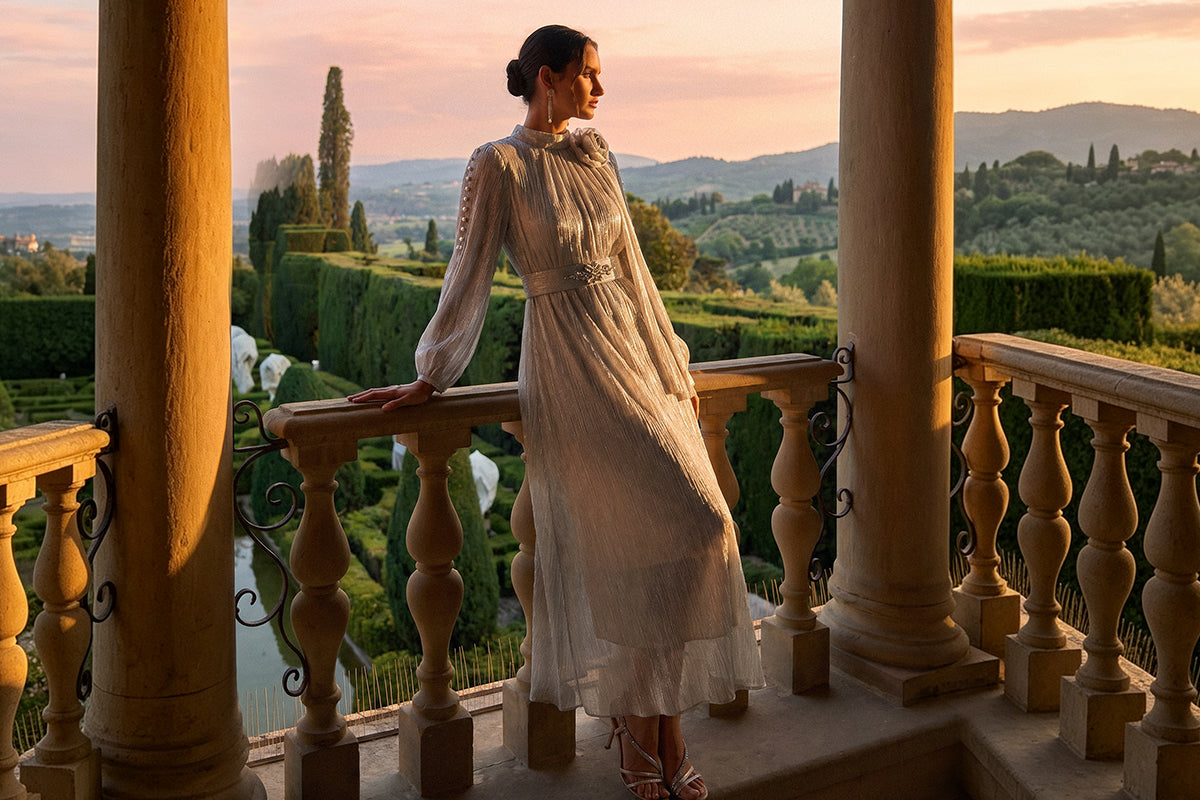
Petite women can absolutely wear floor-length gowns. A long gown can create a taller look when it forms one smooth line from neckline to hem. The most important thing is proper tailoring.
Choose a floor-length gown with a defined waist, clean skirt, or vertical detail such as a slit, seam, or V-neckline. Make sure the hem is adjusted to your shoes so the fabric does not drag, bunch, or overwhelm your frame.
Best Petite Formal Dress Styles for Balanced Proportions
The best petite formal dress styles create shape without adding too much bulk. For petite women, the goal is to define the waist, elongate the body, and keep the outfit proportional from the shoulders to the hem. A dress does not need to be plain, but it should have a clear shape that supports your proportions instead of overwhelming them.

When choosing petite formal dresses, look for styles that offer:
- A defined waistline to create shape
- A clean skirt that does not overwhelm the frame
- A neckline that opens or lengthens the upper body
- A hemline that works with your shoes
- Light movement instead of heavy volume
- Simple details that guide the eye vertically
A-Line Dresses
A-line dresses are one of the easiest formal dress styles for petite women to wear. The fitted top helps define the waist, while the skirt gently opens from the body to create balance. This shape works well because it gives enough movement without adding too much width.
For petite women, a slim A-line dress is usually more flattering than a very full or dramatic skirt. Too much volume can make the outfit feel bottom-heavy and shorten the frame. Look for an A-line dress with a clean waistline, soft fabric, and a hem length that keeps the skirt proportional to your frame.
A-line petite formal dresses work well for:
- Wedding guest outfits
- Cocktail parties
- Semi-formal dinners
- Graduation events
- Evening celebrations
For a taller look, choose an A-line dress with a V-neckline, high waistline, or vertical seam detail. These small details help keep the eye moving up and down instead of side to side.
Column Dresses
Column dresses are especially flattering for petite women because they create one long, clean line. The straight silhouette helps elongate the body and makes the outfit feel elegant without needing extra volume. This style works especially well for formal events where you want a polished, modern look.
A good column dress should skim the body instead of feeling too tight or too boxy. If the dress is too loose, it may hide your shape. If it is too tight, it may pull across the body and look less polished. The best fit should look smooth from the neckline to the hem.
Column dresses are especially flattering when they include:
- A side slit for movement
- A V-neckline or narrow square neckline
- A slightly defined waist
- A clean fabric like satin, crepe, or structured knit
- A tailored hem that works with your shoes
This style works well for black-tie events, formal dinners, evening weddings, and elegant indoor occasions. For petite women, tailoring is important because even a beautiful column dress can lose its effect if the hem is too long or the shoulders do not fit correctly.
Wrap Dresses
Wrap dresses are flattering for petite women because they naturally define the waist and create diagonal lines across the body. These diagonal lines help guide the eye vertically and make the outfit feel more balanced. A wrap dress also offers some adjustability, which is helpful if you need a better fit through the waist, bust, or hips.
For formal occasions, choose a wrap dress in a refined fabric instead of a casual jersey. Satin, crepe, chiffon, or soft velvet can make the style feel more elevated. A moderate V-neckline, clean skirt, and simple tie waist can create a polished look without overwhelming a petite frame.
A wrap dress is a good option if you want something that feels:
- Feminine but not too dramatic
- Comfortable for sitting and moving
- Easy to adjust at the waist
- Flattering for different body shapes
- Suitable for both daytime and evening events
To keep the look formal, avoid wrap dresses with thin, clingy fabric or overly busy prints. A solid color, soft pattern, or subtle texture usually looks more elegant and helps create a smoother line.
How to Use Necklines, Waistlines, and Details to Elongate the Body
Small design details can make a petite formal dress look much more flattering. The right neckline, waist placement, seams, and small design details can guide the eye vertically and help the body look longer. The key is to choose elements that add length and shape without making the outfit feel too busy.
V-Necklines
V-necklines are one of the easiest ways to create a taller look. The open shape creates a vertical line from the neck toward the waist, which helps lengthen the upper body.
For petite formal dresses, a moderate V-neck is often the easiest option to wear. It feels elegant, elongates the frame, and works well with A-line dresses, wrap dresses, and floor-length gowns.
High Waistlines
High waistlines can make the legs look longer by raising the visual starting point of the skirt. This is especially helpful for petite women because it creates better balance between the upper and lower body.
Look for dresses with a slightly raised waist, empire waist, or defined waist seam.The waistline should sit smoothly and naturally, not too high across the bust or too low at the hips. If it sits in the wrong place, the dress can shorten the torso or make the proportions feel off.
Vertical Details
Vertical details help create a longer visual line. Simple features like front seams, side slits, narrow pleats, long panels, or soft vertical draping can make a formal dress look more streamlined.
Avoid too many horizontal details, wide belts, large prints, or heavy embellishments across the body. These can break up the frame and make a petite outfit look shorter or busier.
Conclusion
The best petite formal dresses make your frame look longer, your proportions feel balanced, and your outfit look elegant without adding unnecessary bulk. Clean lines, proper fit, light structure, and the right dress length can all make a big difference.
If you are not sure where to start, choose a dress with a defined waist, simple silhouette, and elongating detail such as a V-neckline, side slit, or vertical seam. A well-fitted A-line dress, column dress, or wrap dress is a reliable choice for many petite formal occasions.


Leave a comment
This site is protected by hCaptcha and the hCaptcha Privacy Policy and Terms of Service apply.