



How to Pleat Fabric Step by Step
Pleating fabric adds shape, texture, and movement to clothing, home decor, and accessories. Although pleats can be made by hand, many modern premium garments more often use machine-set pleats, especially heat- and pressure-formed accordion pleats, to achieve a cleaner, more consistent, and longer-lasting result. This guide explains the basics of pleating fabric, from preparation and tools to common mistakes and practical uses in sewing projects.
Tools and Materials Needed for Pleating Fabric
Having the right tools makes pleating more accurate and easier to manage. You do not need a large setup, but a few basics will make a noticeable difference in the final result.
Pleating Tools
-
Pleating Tool or Pleating Board
A pleating board or pleating tool helps create evenly spaced folds and is especially useful for larger projects. If you are working on a smaller piece, pleats can also be made by hand with careful measuring. -
Needles and Thread
Needles and thread are useful for basting pleats before final stitching. Choose a thread that matches the fabric and is strong enough to hold the folds securely. -
Iron and Ironing Board
An iron can help shape and maintain some types of pleats, but care depends on the pleat style. Fine accordion pleats should not be ironed, as high heat and flat pressure may remove their texture. In contrast, irregular artistic pleats can usually be refreshed with low heat or gentle steam.
Essential Fabrics
Some fabrics are easier to pleat than others. Cotton is a good choice for beginners because it is easy to mark and press. Polyester blends also work well because they tend to hold pleats better. Softer or slippery fabrics can still be pleated, but they often require more pinning and more careful handling.
Additional Materials
-
Pins or Clips
These help hold the pleats in place before sewing. -
Measuring Tape
Accurate measurement is key to balanced pleats and consistent spacing. -
Fabric Chalk or Washable Marker
These are useful for marking fold lines clearly. -
Starch or Fabric Stiffener
A light starch can help soft fabric hold sharper folds while you work.

Preparing the Fabric for Pleating
Careful preparation makes pleating much easier. If the fabric is wrinkled, uneven, or measured incorrectly, the finished pleats will usually look off as well.
Measuring and Calculating Fabric Length
-
Accurate Measurements
Start by deciding the finished width you want. Because pleats take up extra fabric, the starting width is usually around 2 to 3 times the final width, depending on how full you want the pleats to look. -
Adding Extra Fabric
Leaving a little extra fabric gives you room to adjust spacing or correct mistakes without running short.
Choosing the Right Pleating Depth and Width
-
Determining Pleat Size
Narrow pleats create a more delicate and structured look, while wider pleats add more volume. -
Factors to Consider
The best size depends on the fabric, the type of project, and the overall look you want.
Pre-Treating the Fabric
-
Washing and Ironing
Wash and dry the fabric first if needed, then press it flat. This helps prevent shrinkage later and gives you a clean surface for marking. -
Fabric Stiffening
If the fabric feels too soft, a light starch or fabric stiffener can help the folds stay sharper during pleating.
Step-by-Step Guide to Pleating Fabric
Pleating becomes much more manageable when you work through it in order. Focus on keeping the folds consistent and checking your spacing as you go.
Step 1: Mark the Pleat Lines
-
Using a Fabric Marker or Chalk
Lay the fabric flat and mark the fold lines on the wrong side. -
Measuring Even Pleat Spacing
Use a ruler or measuring tape to keep the spacing even. This is one of the most important parts of getting clean results.
Step 2: Fold the Pleats
-
Manual Folding vs. Pleating Tool
Fold the fabric along the marked lines by hand, or use a pleating tool for more regular spacing. -
Creating Crisp Pleats
Finger-press the folds first, then lightly press them with an iron to help them hold their shape.
Step 3: Secure the Pleats
-
Pinning or Basting the Pleats
Use pins, clips, or basting stitches to keep the folds in place before sewing. -
Ensuring Evenness
Check the full section before moving on so you can fix any uneven areas early.

Step 4: Stitch the Pleats in Place
-
Using a Straight Stitch
Sew across the top edge to secure the pleats. -
Sewing Tips for Pleating
Sew slowly and avoid pulling the fabric, as this can shift the folds out of place.
Step 5: Press and Set the Pleats
-
Ironing the Pleats
Press the stitched pleats again to sharpen the folds. -
Using Steam
Steam can help set pleats more effectively. Let the fabric cool flat before moving it.
Troubleshooting Common Pleating Issues
Pleating problems usually come from inaccurate measuring, fabric shifting, or weak pressing. Most of them can be corrected once you identify the cause.
Uneven Pleats
-
Causes of Uneven Pleats
Uneven pleats often happen when the fabric was not marked carefully or the folds shifted during sewing. -
How to Fix Uneven Pleats
Remeasure the section and adjust the folds before continuing. Fixing a small area early is much easier than redoing the whole piece.
Pleats Not Holding Their Shape
-
Using the Right Fabric
Some fabrics naturally hold folds better than others. Structured fabrics are usually easier to work with. -
Pressing and Setting Tips
Use the right heat setting, apply steam if suitable, and let the pleats cool before handling them. Compared with hand pressing, professional machine pleating with high-heat setting can help pleats keep their shape much better over time, even after repeated washing. This is one of the main advantages of premium pleated garments, especially when long-lasting texture and consistency matter.
Pleat Spacing Issues
-
Too Tight or Too Loose
Spacing problems usually come from incorrect initial calculations. -
Using a Pleating Tool
If spacing is hard to maintain by hand, a pleating board or guide can help.
Pleats Falling Out After Stitching
-
Avoiding Shifting During Sewing
Pleats can loosen if they are not pinned or basted securely enough before sewing. -
Reinforcing the Pleats
A row of basting stitches before final stitching can help keep the folds stable.
Creative Ways to Use Pleats in Your Sewing Projects
Pleats can do more than add folds. They can change the shape, texture, and movement of a design in a very noticeable way.
Pleats in Clothing Design
-
Pleated Skirts and Dresses
Pleats are a classic choice in skirts and dresses because they add movement while keeping structure. Knife pleats create a clean, directional look, while box pleats add more fullness. -
Adding Volume to Designs
Pleats can also be used in sleeves, waistlines, or panels to add dimension. If you want to explore materials suited to structured or decorative pleated looks, a fabric range such as the Modern Pleats Collection can be a useful reference when comparing texture, drape, and project suitability.
Pleats in Home Decor
-
Pleated Curtains
Pleated curtains create a more tailored look and help fabric hang more neatly. -
Pleated Pillow Covers
Pleats can add texture and detail to pillow covers without making the design overly complicated.
Pleats in Accessories
-
Pleated Bags
Pleats can give bags more shape and flexibility. -
Pleated Headbands and Scarves
On smaller accessories, pleats add texture and make simple pieces look more finished.

Experimenting with Pleat Patterns
-
Fine Accordion Pleats
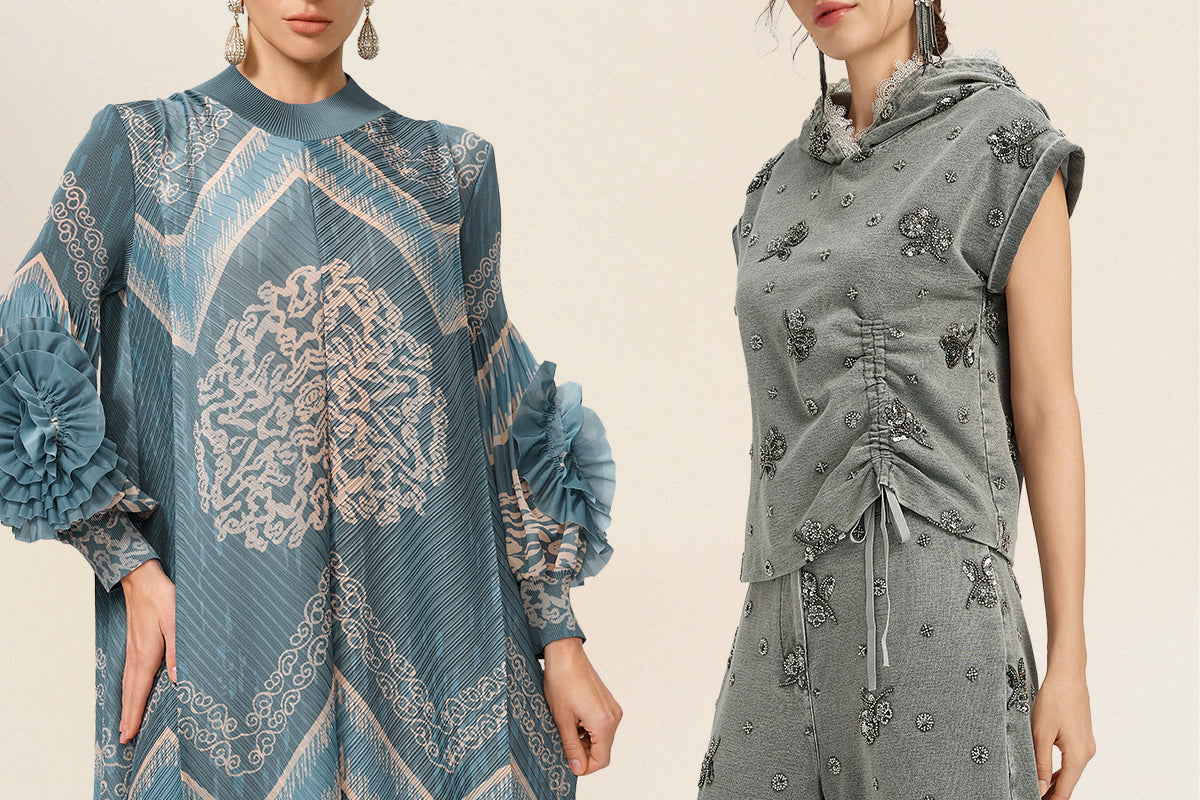
Fine accordion pleats, including toothpick-style pleats, use narrow, repeated folds to create a light, continuous texture and a more refined finish. -
Irregular Artistic Pleats
Irregular artistic pleats create a more expressive surface through variation in fold direction, spacing, or texture, giving the garment a more sculptural look.
-
Combining Pleats with Other Techniques
Pleats can also be combined with layered panels, asymmetric cuts, mixed textures, or draped construction for more creative designs.
Conclusion and Final Tips for Perfect Pleats
Pleating fabric becomes much easier once you break it down into a simple sequence: measure, mark, fold, secure, stitch, and press. When each step is done carefully, the finished pleats look cleaner and hold their shape better.
If you are new to pleating, start with a stable fabric and a simple pleat style such as knife pleats or box pleats. Testing one section first can also help you adjust the spacing before working on the full project. In most cases, the best results come from accurate measuring, secure basting, and proper pressing.
FAQ
Q: What fabrics are best for pleating?
Medium-weight fabrics like cotton, wool blends, and polyester tend to hold pleats well. Lightweight fabrics create softer pleats, while very heavy fabrics can be harder to fold and maintain evenly.
Q: How do I prevent pleats from becoming uneven?
Accurate measuring and marking are essential. Use a ruler or measuring tape instead of estimating by eye, and secure pleats with pins or basting stitches before sewing to keep them aligned.
Q: Can I pleat fabric without a pleating tool?
Yes, manual pleating works well if you carefully mark your lines and fold step by step. Pleating tools simply help improve speed and consistency, especially for larger projects.
Q: How do I make pleats that stay in place?
Use proper pressing with heat and steam, and consider adding starch or fabric stiffener if needed. Stitching or basting the pleats securely also helps maintain their shape over time.
Q: Can pleats be added to any sewing project?
In most cases, yes. Pleats can be used in clothing, home décor, and accessories. The main consideration is choosing the right fabric and pleat style to match the purpose and design of the project.


Leave a comment
This site is protected by hCaptcha and the hCaptcha Privacy Policy and Terms of Service apply.