


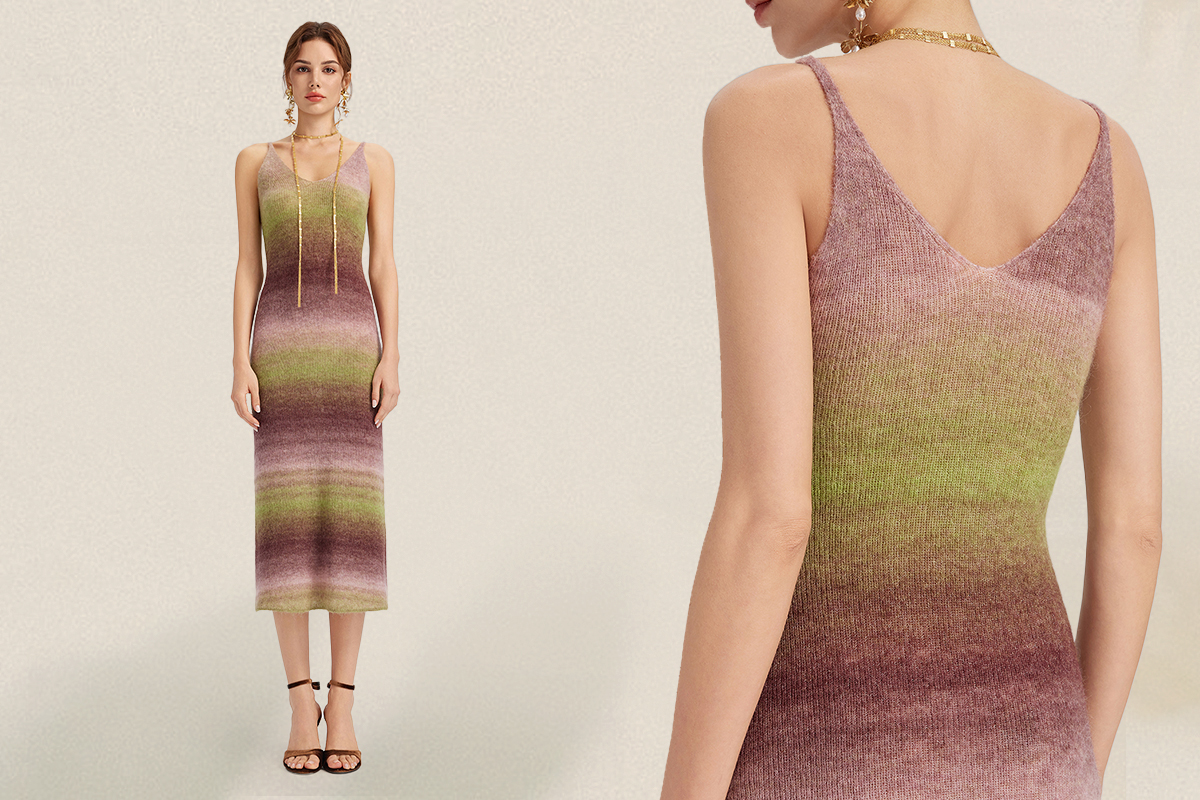
How to Get Wrinkles Out of a Silk Dress Safely
Silk dresses can develop wrinkles after storage, shipping, travel, or sitting for long periods. However, silk is more sensitive to heat, moisture, pressure, and friction than many everyday fabrics. The safest way to remove wrinkles is to check the care label first, allow minor creases to relax naturally, and use controlled steam or low-temperature ironing only when the garment instructions permit it.
Never assume that every silk dress can be treated the same way. Fiber composition, dye, lining, pleating, and embellishments can all affect which wrinkle-removal method is appropriate.
Identify the Material and Read the Care Instructions
Before applying heat or moisture, confirm what the dress is made from and how the manufacturer recommends caring for it.
Confirm Whether the Dress Is Silk or a Silk-Look Fabric
A dress may look silky without being made from natural silk. Satin describes a type of weave or surface appearance rather than one specific fiber. A satin dress could be made from silk, polyester, acetate, viscose, or a blend.
Check the sewn-in fiber-content label instead of judging the material by its shine or softness. Different fibers can react differently to steam and heat.
If you want to understand how silk differs from other decorative materials, the RichRadiqs guide to lace, silk, and jacquard provides a useful introduction.
Read the Care Label Before Removing Wrinkles
The care label should be your primary guide. Look for ironing, steaming, washing, and professional-cleaning symbols.
According to GINETEX textile care guidance, the appropriate ironing temperature should be determined by the care label rather than fiber content alone. Some garments must not be ironed, while others permit ironing only under controlled conditions.
If the label says “Do Not Iron,” do not test an iron on the dress. If it says “Dry Clean Only,” consider taking the garment to a professional cleaner, especially when the wrinkles are deep.
Check the Lining, Pleats, and Embellishments

Inspect the entire dress, not just the main fabric. Pay particular attention to:
- Beading, sequins, crystals, or metallic decorations
- Lace, embroidery, appliqués, or fabric flowers
- Permanent pleats
- Boning, padding, or structured panels
- Delicate linings
- Glued decorations
- Printed or hand-painted areas
Even when the silk exterior tolerates gentle steaming, the trim, adhesive, lining, or internal structure may not.
Test a Hidden Area First
If the care label permits steaming or ironing, test the method on a small, inconspicuous area. The inside of a seam allowance or an area hidden beneath the hem may be suitable.
Stop immediately if you notice:
- Water spotting
- Color transfer or fading
- A change in shine
- Rippling or puckering
- Texture changes
- Shrinkage or distortion
- An unusual odor
A successful test reduces risk, but it does not guarantee that every section of an embellished or structured dress will respond identically.
Know When Professional Care Is Safer
Professional care is generally the better option when the dress is vintage, heavily embellished, structurally complex, visibly damaged, or extremely valuable. Antique silk can become especially fragile over time, and the Smithsonian’s guidance on caring for historic silk highlights the importance of consulting a qualified professional when deterioration is present.
Let Minor Wrinkles Relax Without Heat
Not every wrinkle requires an iron or steamer. Light storage creases may soften when the dress is hung correctly.
Use a Padded Hanger
Place the dress on a clean, padded hanger that supports the shoulders without creating sharp points. If the dress has internal hanging loops, use them to distribute its weight.
Avoid thin wire hangers. They can leave shoulder marks and may not provide enough support for a long or embellished dress.
Give the Dress Enough Space
Hang the dress in a clean, dry area with enough room for the fabric to fall freely. Do not press it between tightly packed garments.
Leave the dress hanging for several hours or overnight. Gravity may relax light wrinkles without exposing the silk to additional heat or moisture.
Smooth the Fabric With Clean, Dry Hands
With clean and completely dry hands, lightly smooth the fabric in the direction of the weave. Support the garment so that you are not pulling against seams, pleats, or decorations.
Do not rub the surface aggressively. Excessive friction can affect the appearance of delicate silk.
Avoid Pulling or Twisting the Dress
Do not stretch the dress in an attempt to force creases out. Silk may distort, and seams can become strained. Wrinkled areas should be allowed to relax rather than being pulled into shape.
After the dress has hung for a while, reassess it in natural light. If only a few faint creases remain, additional treatment may not be necessary.
Steam a Silk Dress When the Care Label Allows It
Controlled steaming can relax wrinkles without pressing the fabric flat, but it is not appropriate for every silk dress. Follow both the garment label and the steamer manufacturer’s instructions.
Check the Steamer Before Using It
Test the steamer away from the dress before beginning. Make sure it produces a consistent flow of steam and does not spit droplets.
Mineral deposits or condensed water can leave marks on delicate fabric. The steamer head should be clean, and its reservoir should contain the type of water recommended by the appliance manufacturer.
Turn the Dress Inside Out When Appropriate
If the dress construction allows it, turn it inside out before steaming. Working from the reverse side can reduce direct contact with the visible surface.
This may not be practical for dresses with structured bodices, complicated linings, fixed pleats, or dense embellishments. Do not force the garment inside out.
Keep the Steamer From Touching the Fabric
Hang the dress securely and hold the steamer away from the material. Do not press the hot steamer plate directly against the silk.
Work gradually, moving the steamer continuously instead of concentrating heat and moisture in one place. Allow the steam to reach the wrinkled area without saturating it.
Use your free hand only to support the fabric gently. Do not pull it tight while it is warm or damp.
Be Careful Around Decorative Details

Avoid directing steam onto beads, sequins, glued appliqués, metallic trims, lace inserts, or permanent pleats. Heat and moisture may loosen adhesive, affect surface finishes, or alter the intended shape.
For a highly decorative dress, steaming individual safe sections may be more appropriate than treating the entire garment.
Stop if the Fabric Changes
Stop steaming if the silk develops droplets, dark patches, uneven shine, rippling, odor, color changes, or distortion. Allow the dress to dry naturally before deciding whether further treatment is safe.
Do not keep steaming in an attempt to correct a problem caused by the first pass.
Iron a Silk Dress Only When Permitted
An iron provides more concentrated heat and pressure than a steamer. Use it only if the care label allows ironing.
Follow the Temperature Indicated on the Label
Select the setting specified by the garment’s care instructions. Do not choose a temperature solely because the dress is labeled as silk.
Allow the iron to stabilize at the selected setting before it approaches the garment. If you cannot control its temperature reliably, use another approved method or consult a professional.
Iron From the Reverse Side With a Pressing Cloth
Where the construction allows, turn the dress inside out. Place a clean, white, lint-free pressing cloth between the iron and the fabric.
The barrier helps protect the silk surface from direct contact, shine, residue, and localized heat. Avoid colored cloths that could transfer dye.
Work in Small Sections
Place the dress on a clean, smooth ironing surface. Work on one small area at a time and keep the iron moving.
Avoid heavy pressure and do not leave the iron resting on the fabric. Repeatedly pressing the same area can flatten the texture or create shine.
Do Not Stretch Warm Silk
Support each section as you work. Do not pull the fabric while it is warm because this can distort the dress or strain the seams.
After pressing an area, allow it to cool in its natural position before moving or folding it.
Never Iron Directly Over Embellishments
Do not place an iron over beads, sequins, embroidery, lace, appliqués, decorative coatings, or raised textures. Some components may melt, flatten, crack, or transfer their finish to the pressing cloth.
If a wrinkle sits directly beneath delicate decoration, professional care may be the safest solution.
Remove Wrinkles Without a Steamer
If you do not have a garment steamer, begin with the lowest-risk method rather than improvising with uncontrolled heat.
Allow the Dress to Hang Naturally
Place the dress on a padded hanger in a dry, well-ventilated room. Give the fabric enough time and space to relax.
This method works best for light wrinkles. Deep packing creases may require an approved steam, ironing, or professional-care method.
Use a Humid Room With Caution
Some people hang garments in a bathroom while a warm shower creates humidity. If you try this method, keep the dress well away from direct spray, splashes, wet walls, and condensation.
The garment should not become damp. Bathroom humidity is difficult to control, so it should not override a care label that prohibits steam or moisture.
Use an Iron Only if the Label Permits It
If ironing is allowed, use the label-approved setting and a clean pressing cloth. Do not apply a household iron to silk simply because a steamer is unavailable.
When neither steaming nor ironing is permitted, natural hanging or professional care is the safer choice.
Avoid Improvised Heat Sources
Do not use a hair dryer, kettle, cooking pot, radiator, or direct shower spray to remove wrinkles. These methods can expose the garment to uneven heat, uncontrolled moisture, or water droplets.
For future trips, choosing garments that recover more easily after packing can reduce the need for urgent treatment. See the RichRadiqs guide to wrinkle-free travel clothes for women for packing-friendly fabric and silhouette ideas.
Handle Pleated, Embellished, and Structured Silk Carefully

Decorative construction makes wrinkle removal more complicated because different parts of the same dress may respond differently.
Preserve Permanent Pleats
Do not press across permanent pleats unless the care instructions specifically permit it. Ironing in the wrong direction may flatten or reshape them.
Hang a pleated dress so that the folds fall naturally. If the pleats have become distorted, consult a professional rather than trying to recreate them with direct heat.
Avoid Heat Around Beads and Sequins
Beads and sequins may be sewn, glued, coated, or made from heat-sensitive materials. Steam can also travel beneath decorations and affect the fabric or adhesive underneath.
Work around embellishments rather than directly over them.
Support Heavy or Layered Dresses
A heavily decorated silk dress should not hang unsupported for longer than necessary. Use its hanging loops and a properly shaped hanger.
When working on the skirt, support the weight so that the bodice and shoulder seams are not carrying unnecessary tension.
Do Not Use Heat to Correct Distortion
Heat should not be used to force a stretched seam, warped panel, or damaged pleat back into position. These problems may require garment repair rather than ordinary wrinkle removal.
If the dress is vintage, damaged, or unusually valuable, use a cleaner or textile-care specialist experienced with silk.
Prevent New Wrinkles After Treatment
Correct handling after steaming or pressing is just as important as the wrinkle-removal process itself.
Let the Dress Cool and Dry Completely
Keep the dress hanging until it has returned to room temperature and is completely dry. Wearing, folding, or storing it while warm or damp can create new creases.
Store the Dress With Enough Room
Use a padded hanger and avoid compressing the dress between other garments. Make sure neighboring zippers, hooks, beads, or rough surfaces cannot catch the silk.
Long or heavily embellished dresses may require additional support or a different storage method. Follow the garment instructions whenever they provide specific guidance.
Pad Areas That Crease Easily
If the dress must be folded, place clean, acid-free tissue between folds to soften sharp creases. Avoid overpacking the storage box or suitcase.
Do not use printed tissue or colored paper that could transfer ink or dye.
Inspect the Dress Before an Event
Remove the dress from storage well before you plan to wear it. This leaves time for minor wrinkles to relax and gives you an opportunity to seek professional care if necessary.
When shopping the RichRadiqs dress collection, always check the material and care information on the individual product page. Care instructions from one dress should not automatically be applied to another.
Conclusion
The safest way to get wrinkles out of a silk dress is to begin with the care label and use the least aggressive effective method. Let light wrinkles relax on a padded hanger first. If the label permits it, apply controlled steam without touching or saturating the fabric. Use an iron only at the approved setting, from the reverse side where possible, and with a clean pressing cloth.
Stop immediately if you notice spotting, color changes, shine, distortion, or texture damage. Dry-clean-only, vintage, pleated, structured, and heavily embellished silk dresses are often best handled by an experienced professional.
If the care information for a RichRadiqs garment is unclear, contact RichRadiqs customer service before applying heat or moisture.




Leave a comment
This site is protected by hCaptcha and the hCaptcha Privacy Policy and Terms of Service apply.