


Where Should a Midi Dress Hit?
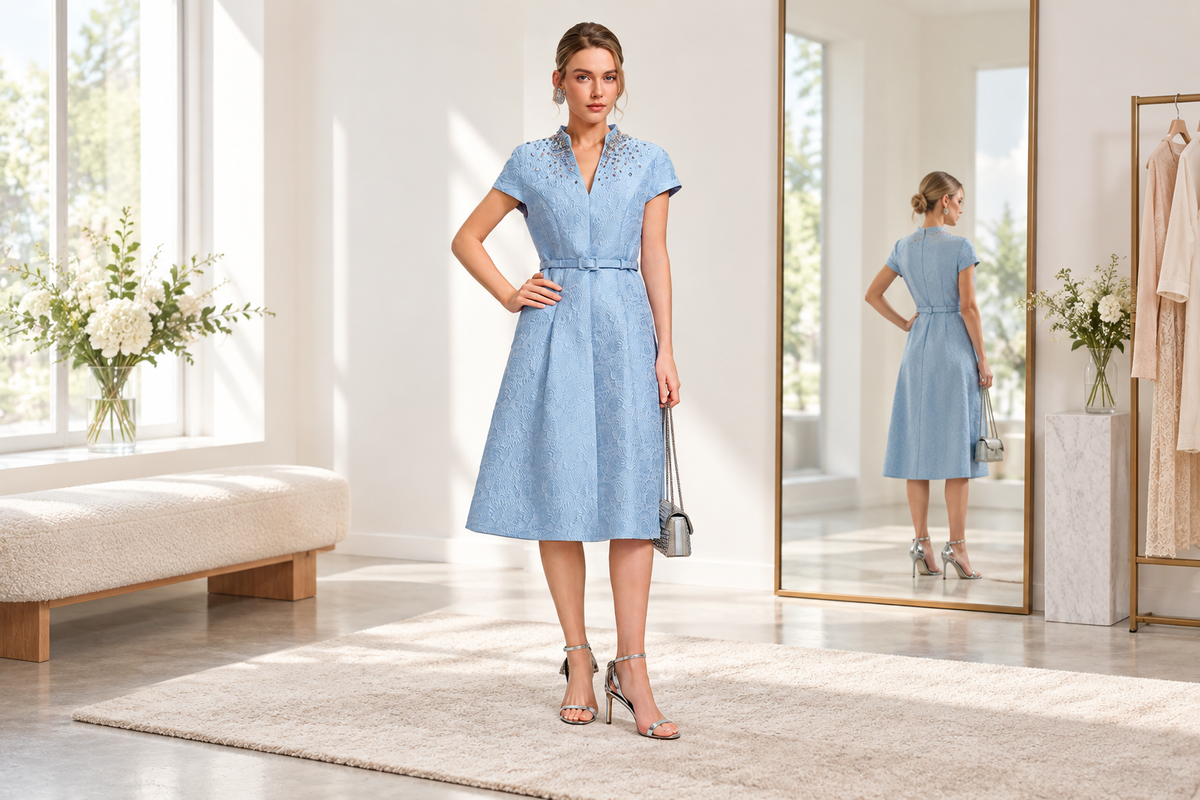
A midi dress should generally hit between the bottom of the knee and a few inches above the ankle. The most traditional midi length ends around the middle of the calf, but the most flattering position is usually near a narrower part of the lower leg rather than directly across its widest point.
Your ideal hemline will depend on your height, leg proportions, the dress silhouette, your shoes, and the occasion. Instead of relying only on the “midi” label, check the garment measurements and consider where that specific length will fall on your body.
Understand the Standard Length of a Midi Dress
A Midi Dress Usually Falls Between the Knee and Ankle
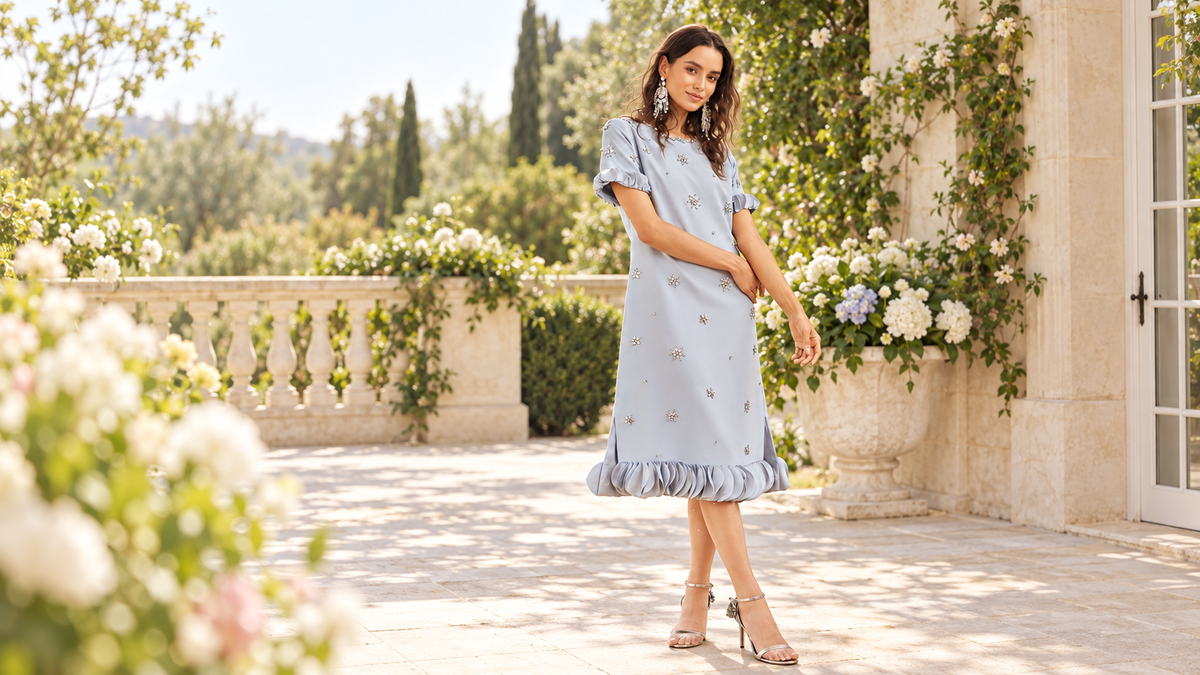
A midi dress is longer than a knee-length or typical cocktail dress but shorter than a maxi dress. Its hem generally falls somewhere between the lower knee and the ankle.
This definition covers a relatively wide range. Two garments sold as midi dresses can differ by several inches, so they may look noticeably different when worn. One might finish just below the knee, while another may reach the lower calf.
The distinction becomes clearer when you compare midi dresses with shorter and longer silhouettes. The category describes a length range rather than one fixed measurement.
Mid-Calf Is the Most Traditional Midi Length
The classic midi dress ends around the middle of the calf. This length creates an elegant, balanced appearance and works particularly well with fit-and-flare, A-line, pleated, and structured silhouettes.
However, the exact center of the calf is not automatically the best position for every wearer. If the hem creates a horizontal line across the widest part of your calf, it can make the lower leg appear shorter or broader.
Moving the hem slightly higher or lower may create a more balanced result without changing the overall character of the dress.
Midi Dress Length Can Vary by Height and Body Proportions
A dress has a fixed garment measurement, but its position changes according to the wearer’s height and proportions.
A midi dress that reaches the lower calf on a tall woman might fall close to the ankle on a petite woman. Likewise, two women of the same height may experience different hemlines if one has a longer torso and the other has longer legs.
This is why shopping according to the category name alone can be misleading. When browsing the wider Rich Radiqs dress collection, compare the listed garment length with a dress you already own and like.
The Craft Yarn Council’s body-sizing guidance also recommends measuring a garment that fits the way you want and using those measurements as a reference. This approach is more reliable than assuming that the dress will fall at the same point shown on a model.
Find the Most Flattering Midi Dress Length
Choose a Hemline Near the Narrowest Part of the Calf

A flattering midi dress often ends just below the knee or closer to the lower section of the calf, where the leg begins to narrow toward the ankle.
These positions leave a defined portion of the lower leg visible. They can make the transition from dress to shoe appear cleaner and help maintain a longer-looking leg line.
Try the dress with the shoes you intend to wear and view the outfit from several angles. A hemline that looks balanced when you are barefoot may feel different when paired with heels, ankle straps, boots, or flats.
Avoid a Hem That Ends at the Widest Part of the Calf
A hem that cuts directly across the fullest part of the calf creates a strong horizontal line. This placement is not technically incorrect, but it may make the legs appear shorter or heavier, particularly when combined with high-contrast shoes or a voluminous skirt.
If you like the dress but find the hem awkward, experiment before arranging alterations. Heeled shoes, pointed toes, a lower vamp, or footwear close to your skin tone may visually lengthen the exposed part of the leg.
If those styling changes do not improve the balance, shortening or lengthening the hem by a small amount can make a substantial difference.
Use the Waistline and Silhouette to Balance Your Proportions
Hem length is only one part of the overall fit. The location of the waistline, the volume of the skirt, and the shape of the bodice also affect how long the dress and your legs appear.
A defined natural or slightly raised waist can visually lengthen the lower body. An A-line skirt creates gentle movement without placing too much volume around the calves, while a straighter silhouette produces a longer vertical line.
When the dress has a dropped waist or a very full skirt, the same midi hem may appear heavier. In that case, fitted upper-body styling, an open neckline, or a more streamlined shoe can restore balance.
Adjust Midi Dress Length for Your Height

Midi Dress Length Tips for Petite Women
Petite women do not need to avoid midi dresses. The key is choosing a length that does not unintentionally become ankle-length.
A petite-friendly midi dress often ends just below the knee or around the upper-to-middle calf. Look for a clearly defined waist and a silhouette that follows the body without overwhelming it. Vertical seams, front openings, and monochromatic styling can also create a longer visual line.
Shoes with pointed toes or a low-cut upper leave more of the foot visible and may further elongate the legs. If you prefer flats, select a streamlined shape instead of a visually heavy design.
How Midi Dresses Should Fit Taller Women
On a taller frame, some standard midi dresses may finish closer to the knee than intended. If you want the traditional effect, look for longer garment measurements or styles designed with extended proportions.
A lower-calf hem can look especially elegant on a tall wearer because there is enough visible space between the skirt and the shoes. Longer midi styles also work well with wider skirts, statement sleeves, and more dramatic details.
If the dress feels too short to be a true midi but too long to look intentionally knee-length, the proportions may appear uncertain. In that situation, choose a longer style instead of trying to force the garment into the midi category.
When Altering the Hem Can Improve the Overall Fit
A dress may fit perfectly through the bust, waist, and hips while still having an unflattering hem position. Simple hemming can make the garment feel as though it was designed for your proportions.
Before altering it, wear the complete outfit and have someone pin the hem evenly. Walk, sit, and use stairs to ensure the proposed length remains practical.
Also examine the dress construction. Pleats, lace borders, embroidery, ruffles, beading, and patterned panels may make hemming more complicated. Alterations should not remove an important design detail or disrupt the intended shape.
For additional fit considerations, refer to the Rich Radiqs women’s dress sizing guide and prioritize product-specific measurements over the size label alone.
Match the Midi Length to the Occasion and Shoes
Choose Shorter Midi Lengths for Casual Daytime Outfits
Midi dresses that finish below the knee or at the upper calf often feel relaxed and easy to wear during the day. They work well for brunches, vacations, casual parties, and everyday outings.
Pair them with sandals, flats, loafers, or clean sneakers, depending on the dress and setting. Shirt dresses, relaxed A-line styles, and lightweight printed designs are particularly versatile.
The Rich Radiqs everyday dress collection can provide inspiration for creating a polished daytime outfit without making it look overly formal.
Wear Longer Midi Dresses for Weddings and Formal Events

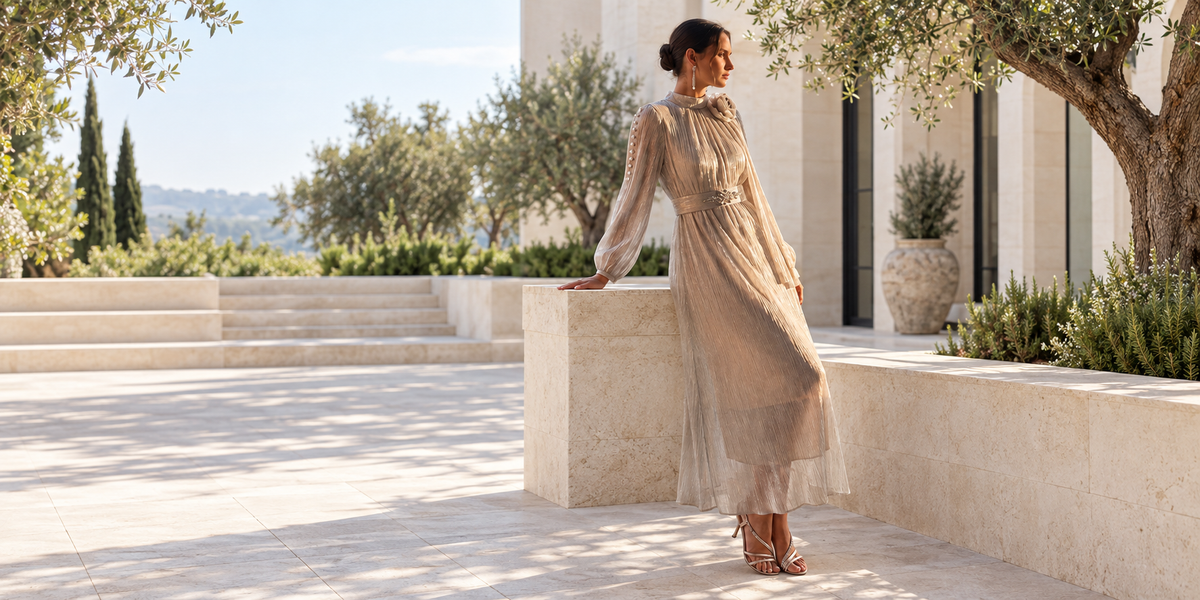
Longer midi dresses that finish around the lower calf can feel more refined. They are suitable for weddings, garden parties, cocktail receptions, dinners, and other occasions requiring elevated attire.
Fabric, structure, and embellishment also influence formality. A simple cotton midi may remain casual even when it is relatively long, while a structured or embellished design can appear event-ready at a slightly shorter length.
Always follow the invitation. The Emily Post attire guide distinguishes between casual, dressy casual, semi-formal, and formal clothing, which can help determine whether your chosen midi dress is polished enough for the event.
For more elevated celebrations, explore event-ready dresses from Rich Radiqs and choose a length that complements both the venue and dress code.
Pair Midi Dresses With Shoes That Keep the Leg Line Balanced
The space between the hem and shoe determines how the lower part of the outfit looks.
Pumps, slingbacks, pointed flats, and heeled sandals expose more of the foot and can visually lengthen the legs. Block heels provide additional stability for gardens and outdoor venues, while streamlined boots can make a midi dress practical in cooler weather.
Ankle straps create another horizontal line, so their placement matters when the hem already reaches the widest part of the calf. This does not mean ankle-strap shoes are unsuitable, but a thin strap or a color with low contrast may produce a more continuous leg line.
When wearing ankle boots, the top of the boot should work intentionally with the hem. An awkward narrow gap can divide the leg visually, while a coordinated color or a slightly longer skirt often creates a smoother result.
Conclusion
A midi dress should hit between the bottom of the knee and a few inches above the ankle. Although mid-calf is the traditional position, the most flattering length usually finishes near a narrower area of the lower leg rather than directly across the widest part of the calf.
Your height, body proportions, dress silhouette, shoes, and occasion should guide the final choice. Check the garment measurement, compare it with a dress you already own, and try the complete outfit before deciding whether alterations are necessary.
The best midi length is not determined by a universal number. It is the position that makes the dress look intentional, keeps the overall proportions balanced, and allows you to move comfortably.


Leave a comment
This site is protected by hCaptcha and the hCaptcha Privacy Policy and Terms of Service apply.