

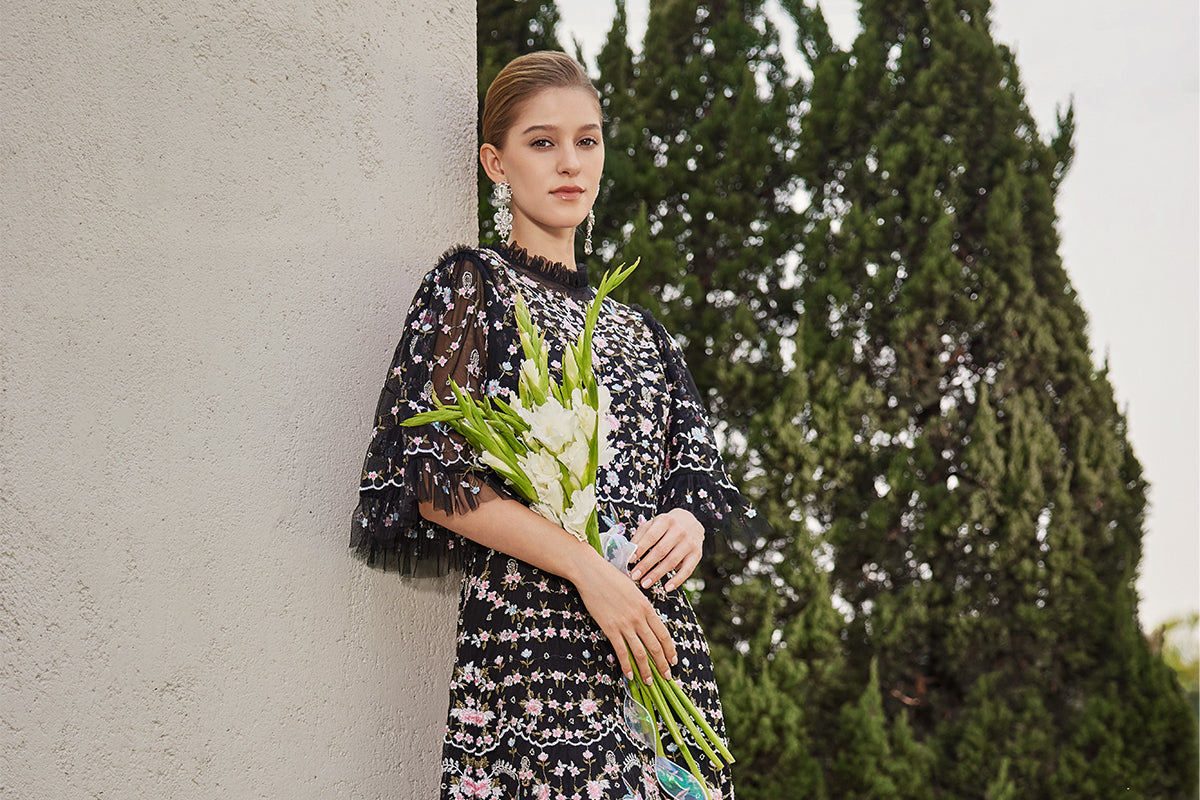
كيف يبدو ملمس البوليستر في ملابس المناسبات؟
قد تختلف ملمس البوليستر في ملابس المناسبات بشكل كبير من قطعة إلى أخرى. فبعض فساتين البوليستر تكون ناعمة وخفيفة وأنيقة، بينما قد تكون أخرى صلبة أو رقيقة أو زلقة أو دافئة أو أقل تهوية على البشرة. وعادة ما يأتي الاختلاف من وزن القماش، والنسيج، واللمسة النهائية، والبطانة، والمزيج، والتصميم العام للملابس.
يشرح هذا الدليل كيف يبدو ملمس البوليستر عادة في الفساتين الرسمية وملابس المناسبات الخاصة، وكيف يقارن بالساتان، والشيفون، والحرير، وأقمشة الفساتين الأخرى، وما يجب التحقق منه قبل شراء قطعة من ملابس المناسبات المصنوعة من البوليستر.
ما هو شعور البوليستر عادةً في ملابس المناسبات؟
لا يوجد شعور واحد ثابت للبوليستر. في ملابس المناسبات، يمكن أن يكون ناعمًا، حادًا، خفيف الوزن، منظمًا، لامعًا، غير لامع، أو ينسدل بنعومة. قد يشعر فستان البوليستر الانسيابي بأنه أملس ومرن، بينما قد يشعر فستان البوليستر المنظم بأنه أكثر تماسكًا ودعمًا. قد يشعر فستان البوليستر المصمم على طراز الشيفون بأنه خفيف وهش، بينما قد يشعر قطعة البوليستر ذات الجودة المنخفضة بأنها رقيقة، ضيقة، أو صناعية بشكل مفرط.
كيف يشعر البوليستر في الأقمشة الفاخرة
في الأقمشة الفاخرة، غالبًا ما يكون للبوليستر سطح أملس مع ملمس ناعم ونظيف. يمكن أن يُصنع ليبدو لامعًا مثل الساتان، شفافًا مثل الشيفون، مزخرفًا مثل الجاكار، أو أكثر تنظيمًا لملابس المناسبات المصممة خصيصًا. هذه المرونة هي أحد الأسباب التي تجعل البوليستر شائعًا جدًا في الفساتين الرسمية، وفساتين وصيفات الشرف، والجمبسوت، وفساتين السهرة، وملابس الحفلات.
مقارنة بالألياف الطبيعية الرقيقة مثل الحرير، غالبًا ما يشعر البوليستر بأنه أكثر ثباتًا وأقل هشاشة. كما أنه يميل إلى مقاومة التجاعيد والحفاظ على شكله جيدًا، وهو ما يمكن أن يكون مفيدًا للمناسبات الطويلة، والسفر، والصور، والجلوس، والرقص، والارتداء المتكرر. ومع ذلك، قد يشعر البوليستر ذو الجودة المنخفضة بأنه ناعم، بلاستيكي، خشن عند الخياطات، أو شديد اللمعان إذا كان القماش رقيقًا أو غير مكتمل التشطيب بشكل جيد.
كيف يشعر البوليستر على البشرة
على البشرة، يمكن أن يشعر البوليستر بالنعومة والراحة عندما تكون الملابس مصممة جيدًا ومبطنة بشكل صحيح. تحدث البطانة الناعمة فرقًا كبيرًا، خاصة في الفساتين الضيقة، والجمبسوت الرسمي، والتصاميم الدانتيل، والقطع المزخرفة، أو الملابس التي يتم ارتداؤها لعدة ساعات.
العيب الرئيسي هو التهوية. لا يشعر البوليستر عادةً بالهواء مثل القطن أو الكتان أو الحرير، لذلك قد يشعر بالدفء أكثر خلال حفلات الزفاف الخارجية، أو المناسبات الصيفية، أو الأماكن المغلقة المزدحمة. يلعب المقاس أيضًا دورًا. يمكن أن يشعر فستان البوليستر الفضفاض والمبطن بالراحة عند ارتدائه، بينما قد يشعر قطعة ضيقة وغير مبطنة بالالتصاق أو أقل تهوية بعد ارتدائها لفترة طويلة.

لماذا يمكن أن يختلف ملمس ملابس المناسبات المصنوعة من البوليستر كثيرًا
قد يكون كلا الفستانين يحملان وسم "بوليستر 100%" ومع ذلك يشعران باختلاف تام. قد يبدو أحدهما مصقولًا ومريحًا، بينما قد يبدو الآخر صلبًا أو رخيصًا. يحدث ذلك لأن محتوى الألياف هو جزء واحد فقط من الملابس.
قد تشعرين بفستان مناسبات من البوليستر بالآتي:
- ناعم ومرن عندما يكون النسيج ذو حياكة أدق أو تشطيب أنعم
- هش ومنظم عندما يحتاج التصميم إلى حجم أو شكل
- خفيف وهواء عندما يستخدم في الشيفون، الجورجيت، أو الأغطية الشفافة
- أملس ولامع عندما يكون تشطيبه كالساتان
- صلب، لاصق، أو رقيق عندما تكون جودة القماش أقل
- أكثر راحة عندما يكون له بطانة ناعمة وخياطات نظيفة
وزن القماش، ونسيجه، وتشطيبه
لوزن القماش تأثير كبير على ملمس البوليستر. غالبًا ما يستخدم البوليستر خفيف الوزن للشيفون، والجورجيت، والأغطية على طراز الأورجانزا، والتنانير المطوية، والفساتين المنسدلة الناعمة. يمكن أن تشعر هذه الأنماط بالخفة، والنعومة، وسهولة الحركة. ومع ذلك، إذا كان القماش رقيقًا جدًا أو مبطنًا بشكل سيء، فقد يلتصق، أو يظهر كهرباء ساكنة، أو يشعر بالوهن بدلاً من الأناقة.
غالبًا ما يشعر البوليستر متوسط الوزن والثقيل بأنه أكثر جوهرية. إنه يعمل جيدًا للفساتين ذات الخصر المحدد والتنورة المتسعة، والجمبسوت المصمم خصيصًا، والفساتين المنظمة، والتصاميم المطوية، والقطع التي تحتاج إلى الحفاظ على شكلها. يمكن لهذا الوزن أن يجعل الملابس تشعر بأنها أكثر أمانًا وتألقًا، ولكنه قد يشعر بالدفء أو أقل مرونة في الأنماط الضيقة.

التشطيب يغير أيضًا ملمس اليد. البوليستر المطفي عادة ما يبدو أكثر رقة وأقل انزلاقًا. البوليستر الشبيه بالساتان يشعر بالنعومة والأناقة والفخامة. التشطيبات المصقولة يمكن أن تشعر بالنعومة والدفء، بينما يمكن أن تضيف التشطيبات ذات الملمس اهتمامًا بصريًا ولكن قد تحتاج إلى بطانة للراحة.
|
نوع تشطيب البوليستر |
كيف يشعر عادة |
الأفضل لـ |
|
مطفي |
ناعم، رقيق، أقل انزلاقًا |
فساتين بسيطة، ملابس مناسبات مصممة خصيصًا، إطلالات رسمية عصرية |
|
مصقول |
أنعم، أدفأ، ذو ملمس خفيف |
ملابس الطقس البارد، أنماط رسمية أنعم |
|
لامع أو شبيه بالساتان |
أملس، ناعم، أكثر فخامة |
فساتين سهرة، فساتين انسيابية، فساتين حفلات |
|
ذو ملمس |
بارز، هش، أو مزخرف |
جاكار، أغطية من الدانتيل، طيات، قطع مميزة |
يعتمد أفضل تشطيب على النمط. يمكن أن يبدو فستان البوليستر اللامع أنيقًا عندما يكون القماش ذو وزن وانسدال كافيين. ويمكن أن يشعر فستان البوليستر غير اللامع بأنه أكثر رقة عندما يكون القص نظيفًا. ويمكن أن يبدو فستان البوليستر ذو الملمس جميلًا، ولكن يجب أن يكون الجزء الداخلي ناعمًا بما يكفي للارتداء لفترة طويلة.
كيف تغير الخلطات النعومة والتمدد
يمكن أن يشعر البوليستر الممزوج بأنه أنعم أو أكثر مرونة أو أكثر انسيابية من البوليستر الأساسي. هذا هو السبب في أن بعض قطع ملابس المناسبات تشعر بالراحة أكثر حتى عندما يظل البوليستر هو الألياف الرئيسية.
تشمل تأثيرات الخلط الشائعة ما يلي:
- البوليستر والإسباندكس: يضيف تمددًا ومرونة
- البوليستر والرايون أو الفيسكوز: يخلق شعورًا أنعم وأكثر انسيابية
- البوليستر والنايلون: يمكن أن يضيف قوة وسطحًا أنعم
- البوليستر والألياف المعدنية: يضيف لمعانًا، ولكن قد يشعر بأنه أقل نعومة بدون بطانة جيدة
بالنسبة للفساتين الضيقة والجمبسوت الرسمي، يمكن أن يجعل البوليستر مع الإسباندكس الحركة أسهل. أما للقطع المنسدلة الأكثر نعومة، فإن خلطات الرايون أو الفيسكوز يمكن أن تجعل القماش يشعر بالنعومة وأقل صلابة. لا تجعل الخلطات الفستان أفضل تلقائيًا، ولكنها يمكن أن تحسن الراحة عندما تتناسب مع التصميم.
لماذا تصنع البطانة فارقًا كبيرًا
تلعب البطانة دورًا رئيسيًا في شعور ملابس المناسبات المصنوعة من البوليستر. تخلق البطانة الجيدة طبقة أنعم بين النسيج الخارجي وبشرتك. يمكنها أن تقلل من الخشونة، وتمنع الالتصاق، وتحسن التغطية، وتساعد الملابس على الانسدال بشكل أفضل.
يبرز هذا الأمر بشكل خاص عندما يكون النسيج الخارجي شفافًا، أو منسوجًا، أو مزينًا، أو منظمًا. فستان الدانتيل المصنوع من البوليستر، على سبيل المثال، قد يبدو رقيقًا من الخارج، ولكن الراحة غالبًا ما تعتمد على ما إذا كانت البطانة ناعمة وتجلس بشكل صحيح. وينطبق الأمر نفسه على فساتين البوليستر ذات الطراز الساتان. فبدون بطانة، قد يلتصق النسيج بسهولة أكبر أو يشعر بالانزلاق بطريقة أقل رقة.
يمكن أن تساعد البطانة الجيدة في ما يلي:
- تقليل الخشونة الناتجة عن الدانتيل، أو الترتر، أو التطريز، أو النسيج ذي الملمس
- جعل البوليستر الرقيق يبدو أقل هشاشة
- تحسين الانسياب والشكل
- منع الفستان من الالتصاق الشديد
- جعل الملابس تبدو أكثر اكتمالًا وفخامة
كيف يشعر البوليستر مقارنة بالساتان، والشيفون، والحرير، وأقمشة المناسبات الأخرى؟
غالبًا ما يقارن البوليستر بالساتان والشيفون والحرير، لكن هذه المصطلحات لا تصف نفس الشيء. البوليستر هو ألياف. الساتان والشيفون هي أنواع أقمشة أو هياكل. الحرير هو ألياف طبيعية.
هذا يعني أن الفستان يمكن أن يكون ساتان بوليستر، أو شيفون بوليستر، أو ساتان حرير، أو شيفون حرير. ويعتمد الشعور النهائي على الألياف وبنية القماش على حد سواء.
البوليستر مقابل الساتان
البوليستر والساتان ليسا متضادين بشكل مباشر. العديد من فساتين المناسبات تستخدم ساتان البوليستر، مما يعني أن القماش مصنوع من ألياف البوليستر ولكنه منسوج أو مشطب لخلق سطح ساتان أملس ولامع.
غالبًا ما يشعر ساتان البوليستر بالنعومة، والبرودة عند اللمس الأول، والانزلاق الخفيف في اليد. يمكن أن يبدو مصقولًا في فساتين السهرة، والفساتين الانسيابية، وفساتين وصيفات الشرف، وفساتين الحفلات. مقارنة بساتان الحرير، غالبًا ما يشعر ساتان البوليستر بأنه أكثر انتظامًا، وأكثر متانة، وأقل رقة. كما أنه يميل إلى مقاومة التجاعيد بشكل أفضل، مما يجعله عمليًا للمناسبات الطويلة أو السفر.
الجانب السلبي هو أن ساتان البوليستر قد يشعر بأنه أقل تهوية أو صناعي قليلاً، خاصة عندما يكون رقيقًا، شديد اللمعان، أو غير مبطن. يجب أن يكون ساتان البوليستر الأفضل ذا وزن كافٍ لينسدل بسلاسة دون الالتصاق كثيرًا.
البوليستر مقابل الشيفون
يُعرف الشيفون بملمسه الخفيف والشفاف والهوائي. يعتبر شيفون البوليستر شائعًا جدًا في ملابس المناسبات لأنه يخلق حركة ناعمة دون أن يكون رقيقًا أو باهظ الثمن مثل شيفون الحرير.
في الفساتين، يشعر شيفون البوليستر عادةً بأنه خفيف الوزن وهش قليلاً. إنه يعمل بشكل جيد للتنانير الطبقية، والأكمام، والأغطية، والأوشحة، والأنماط الرسمية المنسدلة. يمكن أن يخلق مظهرًا رومانسيًا لأنه يتحرك بسهولة عند المشي.
مقارنة بشيفون الحرير، قد يشعر شيفون البوليستر بأنه أقل نعومة وأقل تهوية قليلاً. وقد يتسبب أيضًا في تراكم الكهرباء الساكنة أو يشعر بالخشونة قليلاً إذا كانت جودة القماش منخفضة. وبما أن الشيفون غالبًا ما يكون شفافًا، فإن راحة الفستان تعتمد بشكل كبير على البطانة الموجودة تحته.
البوليستر مقابل الحرير
عادة ما يشعر الحرير بأنه أنعم وأكثر سلاسة وأكثر مرونة طبيعية من البوليستر. له لمعان خفيف بدلاً من لمعان سطحي قوي، ويميل إلى التحرك مع الجسم بطريقة أكثر رقة. ولهذا السبب يرتبط الحرير غالبًا بملابس المناسبات الفاخرة.
لا يزال البوليستر يبدو أنيقًا، ولكنه يشعر عادةً بأنه أكثر ثباتًا وأكثر متانة وأقل رقة. قد لا يتمتع بنفس النعومة الطبيعية أو التهوية التي يتمتع بها الحرير، ولكنه يمكن أن يحافظ على شكله بشكل أفضل، ويقاوم التجاعيد بسهولة أكبر، ويكلف أقل. بالنسبة للعديد من الفساتين الرسمية، فإن هذه العملية هي جزء من الجاذبية.
|
نوع القماش |
كيف يشعر عادة |
الاستخدام الشائع في ملابس المناسبات |
|
ساتان بوليستر |
ناعم، لامع، أملس، أكثر تنظيمًا |
فساتين سهرة، فساتين انسيابية، فساتين حفلات |
|
شيفون بوليستر |
خفيف، شفاف، هش قليلاً، طافٍ |
أغطية، أكمام، تنانير طبقية، فساتين وصيفات الشرف |
|
ساتان حرير |
ناعم، مرن، لامع، رقيق |
فساتين فاخرة، ملابس الزفاف، ملابس مناسبات فاخرة |
|
شيفون حرير |
أنعم، رقيق، شديد المرونة |
فساتين فاخرة، ملابس الزفاف، فساتين رسمية راقية |
في ملابس المناسبات، لا يشعر البوليستر بالرخص تلقائيًا، ولا يضمن الحرير تلقائيًا أفضل ملاءمة. يعتمد الخيار الأفضل على التصميم، والبطانة، والتشطيب، وكيف يشعر القماش على جسمك.
ما هي مزايا وعيوب البوليستر في ملابس المناسبات؟
البوليستر هو أحد أكثر الألياف شيوعًا في ملابس المناسبات لأنه عملي ومتعدد الاستخدامات وأسهل في العناية به من العديد من الأقمشة الرقيقة. يمكن أن يبدو أنيقًا أو شفافًا أو منظمًا أو لامعًا أو غير لامع أو منسوجًا اعتمادًا على كيفية صنعه.

في الوقت نفسه، للبوليستر حدوده. قد لا يشعر بالتهوية أو النعومة الطبيعية مثل الحرير أو القطن أو الكتان أو بعض الأقمشة المصنوعة من الرايون. تختلف الجودة أيضًا كثيرًا، لذلك يجب على المتسوقين الحكم على القطعة بأكملها بدلاً من الاعتماد فقط على ملصق الألياف.
|
المزايا |
العيوب |
|
يقاوم التجاعيد أفضل من العديد من الأقمشة الرقيقة |
قد يشعر بأنه أقل تهوية في الطقس الدافئ |
|
يحافظ على شكله جيدًا في الفساتين المنظمة، والطيات، والأكمام، والتنانير الواسعة |
قد يلتصق أو تتراكم عليه الكهرباء الساكنة عندما يكون القماش رقيقًا جدًا |
|
يمكن تحويله إلى أقمشة شبيهة بالساتان، وشبيهة بالشيفون، والكرامب، والدانتيل، أو الأقمشة ذات الملمس |
قد تشعر النسخ ذات الجودة المنخفضة باللمعان، أو الصلابة، أو البلاستيكية |
|
عادة ما يكون أقل تكلفة من الحرير أو الألياف الطبيعية الفاخرة |
تعتمد الراحة بشكل كبير على البطانة والتشطيب |
|
متين للسفر، والجلوس، والرقص، والمناسبات الطويلة |
عادة ما لا يتمتع بنعومة الحرير الطبيعية أو مرونته |
|
يحافظ على اللون جيدًا، خاصة في الظلال الزاهية، والألوان العميقة، والطبعات |
سوء التصنيع يمكن أن يجعله يبدو رخيصًا حتى لو كان السطح يبدو فخمًا |
البوليستر ليس خيارًا سيئًا لملابس المناسبات. فهو يحتاج ببساطة إلى جودة النسيج المناسبة، والقصة، والبطانة، والتشطيب. يمكن أن يشعر فستان البوليستر المصنوع جيدًا بالنعومة والأناقة والراحة الكافية للمناسبات الرسمية، بينما قد يشعر الفستان المصنوع بشكل سيء بالحرارة، أو الصلابة، أو الرقة، أو الرخص.
كيف يمكنك معرفة ما إذا كانت ملابس المناسبات المصنوعة من البوليستر ذات جودة عالية قبل الشراء؟
يمكنك غالبًا معرفة الكثير عن ملابس المناسبات المصنوعة من البوليستر قبل تجربتها. يمكن أن تساعدك صور المنتجات، والأوصاف، والتقييمات، ومقاطع الفيديو، وتفاصيل التصميم في الحكم على ما إذا كانت القطعة من المحتمل أن تشعر بالنعومة، أو التنظيم، أو الرقة، أو الصلابة، أو الراحة الكافية لحدث كامل.
الهدف هو تجاوز كلمة "بوليستر" والحكم على كيفية صنع القطعة بأكملها.

ماذا يجب التحقق منه في النسيج، والانسدال، والبطانة
ابدأ بالسطح. يتميز البوليستر عالي الجودة عادةً بلمسة نهائية أكثر دقة، سواء كانت غير لامعة، أو لامعة، أو ذات ملمس، أو شفافة. يجب أن يبدو السطح أملسًا ومتسقًا في صور المنتج، دون لمعان غريب، أو ملمس غير متساوٍ، أو مناطق تبدو رقيقة جدًا تحت الضوء.
الوزن مهم أيضًا. يجب أن يتمتع الفستان الذي يحتاج إلى هيكل بجسم كافٍ للحفاظ على شكله. الفستان المنسدل يجب أن يبدو ناعمًا وسهل الحركة. إذا كان القماش يتدلى بشكل مسطح، أو يسحب بشكل غير مريح، أو يبدو ضعيفًا في كل صورة، فقد يشعر بأنه أقل أناقة في الواقع.
انتبه لهذه العلامات:
- يسقط القماش بشكل طبيعي بدلاً من أن يبدو صلبًا أو مربعًا
- يحتوي السطح على لمعان متحكم فيه بدلاً من لمعان قاسٍ
- تحافظ التنورة، والأكمام، أو الصدر على الشكل المقصود
- لا يبدو القماش رقيقًا جدًا حول الدرزات أو المناطق الفاتحة
- تتميز الملابس بالحركة في صور العارضات أو مقاطع الفيديو
- تجلس البطانة بسلاسة ولا تتجمع أو تلتوي
- تبدو الدرزات، والحواشي، والأشرطة، وخطوط الخصر، والإغلاقات مشطبة بدقة
يعد الانسدال مهمًا بشكل خاص. يجب أن تنسدل القطع ذات الطراز الساتان بسلاسة. يجب أن تتحرك القطع ذات الطراز الشيفون بخفة. ويجب أن تحافظ القطع المنظمة على شكلها النظيف دون أن تشعر بالصلابة.
كيفية تمييز القماش الذي قد يكون صلبًا جدًا أو رقيقًا جدًا
غالبًا ما يخلق البوليستر الصلب طيات حادة، أو حجمًا غير مريح، أو شكلًا يبتعد عن الجسم بطريقة غير طبيعية. قد يكون هذا مناسبًا للتصاميم المنظمة عمدًا، ولكنه قد يشعر بعدم الراحة في الفساتين الضيقة أو الأنماط الرسمية الأكثر نعومة.
يواجه البوليستر الرقيق المشكلة المعاكسة. فقد يبدو ضعيفًا، أو ملتصقًا، أو شفافًا قليلاً. إذا كان القماش يظهر كل درزة، أو تجعيد، أو خط جسم في صور المنتج، فقد يشعر بأنه أقل تساهلاً في الواقع.
تشمل بعض علامات التحذير ما يلي:
- يبدو القماش ورقيًا أو مسطحًا
- يلتصق الفستان بشدة حول الوركين أو الخصر
- لا يسقط الحاشية بالتساوي
- تبدو الملابس شفافة في الألوان الفاتحة
- يبدو الشكل غير مدعوم بدون وقفة دقيقة
- غالبًا ما تذكر التقييمات كلمات مثل "خشن"، "رقيق"، "رخيص"، أو "صلب"
يمكن أن تكون مراجعات العملاء مفيدة بشكل خاص. ابحث عن التعليقات حول ما إذا كان القماش يبدو "ثقيلاً" أو "مبطنًا" أو "ناعمًا" أو "منظمًا" أو "خشناً" أو "رقيقًا". غالبًا ما تكشف هذه الكلمات عن حقيقة الاستخدام أكثر من وصف المنتج.
ما يمكن أن تكشفه صور المنتج وأوصافه
يمكن أن تكشف صور المنتج أكثر مما يدركه المتسوقون غالبًا. انظر إلى الصور المقربة، والمشاهد الجانبية، والمشاهد الخلفية، والصور التي تظهر فيها العارضة جالسة أو تمشي. توضح هذه الصور كيف يتصرف البوليستر بخلاف الوضع الثابت الأمامي.
يجب أن يذكر وصف المنتج المفيد أكثر من مجرد "فستان بوليستر". قد يخبرك ما إذا كان القماش من الساتان أو الشيفون أو الكريب أو الجاكار أو الشبكة أو الدانتيل أو البوليستر المنسوج المطاطي. قد يذكر أيضًا البطانة أو التمدد أو الملمس أو الوزن أو تعليمات العناية.
قبل الشراء، تحقق مما إذا كان:
- الفستان مبطن بالكامل أو جزئيًا
- القماش يتمتع بالمرونة
- اللمسة النهائية غير لامعة، ساتان، شفافة، مزخرفة، أو مصقولة
- المنتج يتضمن صورًا مقربة للقماش
- المراجعات تذكر الراحة أثناء الارتداء الطويل
- مقاطع الفيديو تظهر كيفية حركة الفستان
- سياسة الإرجاع تسمح بالتجربة في المنزل
تعد مقاطع الفيديو مفيدة بشكل خاص لأنها تُظهر الحركة. إذا كان الفستان يتدفق بشكل طبيعي، ويحافظ على شكله، ولا يلتصق بشكل غريب، فمن المرجح أن يكون البوليستر مريحًا ومصقولًا. إذا كان الثوب يبدو جيدًا فقط في الصور ذات الوضعيات الكثيرة، فقد يكون من الصعب الحكم على ملمس القماش الحقيقي.
الخلاصة
يمكن أن يشعر البوليستر في ملابس المناسبات بأنه ناعم، هش، خفيف، منظم، لامع، غير لامع، أو صناعي قليلاً حسب كيفية تصنيع القماش. يمكن أن يبدو فستان البوليستر ذو الوزن الجيد، والتشطيب النظيف، والبطانة الناعمة، والتدلى الطبيعي مصقولًا بما يكفي لحفلات الزفاف، والعشاء الرسمي، والحفلات، والمناسبات الخاصة الأخرى. بدلاً من الحكم على ملصق الألياف وحده، انظر إلى الثوب بأكمله: السطح، والوزن، والبطانة، والدرزات، والحركة، والملاءمة كلها مهمة.


اترك تعليقًا
This site is protected by hCaptcha and the hCaptcha Privacy Policy and Terms of Service apply.