


Does Formal Attire Require a Long Dress?
Formal attire does not always require a long dress. A floor-length gown remains the safest choice for white-tie occasions and many traditional black-tie events, but an elegant midi dress or sophisticated cocktail dress may also be appropriate for formal weddings, dinners, galas, and evening receptions.
The correct length depends on the stated dress code, venue, event time, and overall refinement of the outfit. Dress length matters, but fabric, silhouette, construction, accessories, and styling determine whether the complete look feels formal.
Does a Formal Dress Have to Be Floor-Length?
A long gown is closely associated with formal dressing because its length naturally creates an elegant and ceremonial appearance. However, the word “formal” covers several dress codes rather than one universal rule.
According to the Emily Post black-tie dress code guide, women attending a black-tie event may wear a floor-length evening gown, a dressy cocktail dress, or an exceptionally refined little black dress. This means a shorter hemline is not automatically inappropriate.
The distinction usually depends on how formal the specific event is.
When Long Dresses Are Expected
A floor-length dress is generally expected when the invitation states:
- White tie
- Full evening dress
- Black tie with a traditional or highly ceremonial setting
- Formal gala or state dinner
- Floor-length attire requested
Long gowns are also the safer option for evening events held in ballrooms, luxury hotels, historic venues, or other elaborate locations.
An elegant gown from a curated collection of event-ready dresses can create the necessary sense of occasion without depending on excessive decoration. A flowing silhouette, refined fabric, and carefully finished details are often more effective than an overly complicated design.
When a Shorter Dress Can Still Be Formal

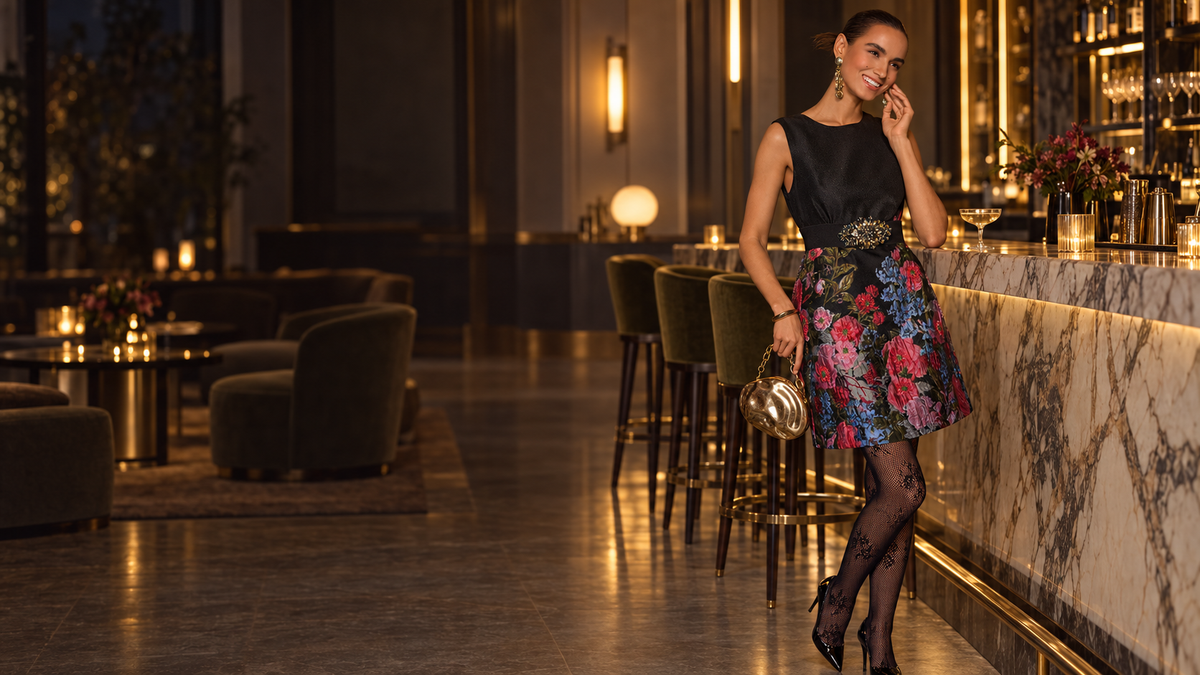
A shorter dress can work when it reaches approximately the knee, below the knee, or mid-calf and is made from an elevated fabric. Structured cocktail dresses, elegant tea-length silhouettes, and sophisticated midi dresses are frequently acceptable for formal weddings and black-tie optional celebrations.
The outfit should still feel noticeably more polished than everyday clothing. Very short hemlines, casual sundresses, jersey day dresses, and relaxed cotton styles rarely meet a formal dress code, even when paired with high heels.
Choose the Right Dress Length for Each Dress Code
Before selecting a dress, read the invitation carefully. Terms such as white tie, black tie, black-tie optional, formal, cocktail, and semi-formal represent different expectations.
Wear a Floor-Length Gown for White-Tie Events
White tie is the most formal conventional dress code. Women are generally expected to wear a full-length evening or ball gown, usually accompanied by formal jewelry, an evening bag, and carefully chosen footwear.
A knee-length or conventional cocktail dress would normally appear too casual in this setting. If the invitation specifically requests white tie, choose a true evening gown that reaches the floor and looks elegant from every angle.
Choose a Long Gown or Elegant Cocktail Dress for Black-Tie Events

Black tie traditionally favors floor-length evening gowns, but modern interpretations provide slightly more flexibility. A sophisticated cocktail or midi dress may work if its fabric, construction, and styling are sufficiently refined.
When deciding between the two, consider the venue and the host’s expectations. A black-tie charity gala in a grand ballroom generally calls for a long gown. A contemporary black-tie wedding in a restaurant or modern event space may allow an elevated midi dress.
Reviewing a broader selection of luxury dresses and occasionwear can help you compare long gowns with shorter formal silhouettes.
Consider Midi and Knee-Length Dresses for Formal and Semi-Formal Events
Formal and semi-formal invitations often allow greater freedom than white tie or traditional black tie. A midi dress is particularly useful because it provides more coverage and visual elegance than a short party dress without requiring a floor-length hem.
Knee-length dresses may also be suitable, especially for daytime ceremonies, business-related receptions, and less traditional weddings. If you are uncertain about cocktail proportions, this guide to how long a cocktail dress should be explains how different hemlines affect the overall level of formality.
Make a Short Dress Look Formal
When a shorter length is permitted, every other part of the outfit should support the formal dress code.
Select Luxurious Fabrics and a Structured Silhouette
Fabric can immediately distinguish an evening dress from a casual one. Consider materials such as:
- Silk or satin
- Velvet
- Lace
- Chiffon
- Jacquard
- Tulle
- Embellished or beaded fabric
The dress should also have a deliberate silhouette. A structured sheath, refined A-line dress, elegant fit-and-flare design, or draped midi dress will usually look more formal than an unstructured day dress.
Fit is equally important. The dress should sit smoothly across the bust, waist, and hips without pulling or requiring constant adjustment. Women with a defined waist may find additional guidance in this article about selecting formal dresses for a slim hourglass figure.
Avoid Casual Hemlines, Prints, and Details
A formal dress should not resemble something intended for the beach, office, or an informal daytime outing.
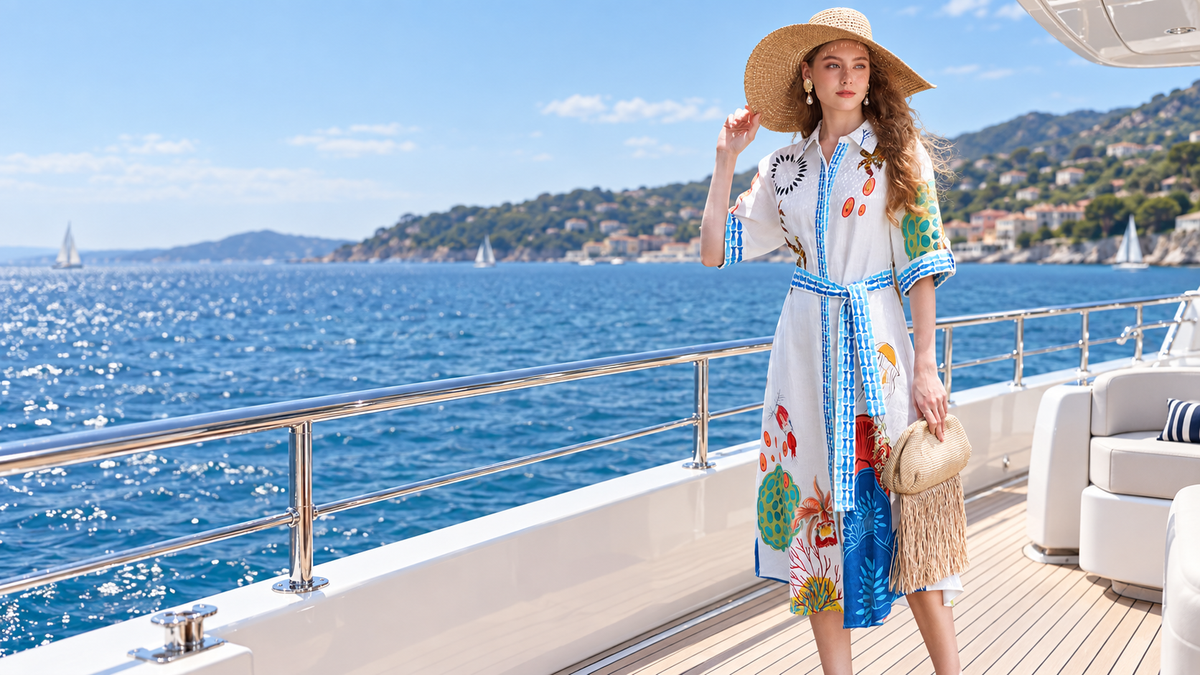
Avoid extremely short hems, casual smocking, T-shirt-style construction, oversized pockets, simple jersey fabric, or visibly relaxed styling. Bright prints can work at certain weddings and daytime events, but understated patterns, rich colors, metallic finishes, and elegant embellishments generally feel more appropriate for evening occasions.
A shorter hemline also needs balanced proportions. If the dress is already above the knee, combining it with a very low neckline, large cutouts, or an extremely tight fit can make the outfit feel more like clubwear than formal attire.
Complete the Outfit With Refined Shoes and Accessories
Formal accessories help elevate a shorter dress. Choose elegant pumps, refined slingbacks, sophisticated sandals, or polished evening flats. Avoid casual wedges, flip-flops, sneakers, and heavy daytime boots unless the host has specifically encouraged unconventional styling.
Add a compact evening bag and carefully selected jewelry. One statement element—such as embellished earrings, a sculptural cuff, or a distinctive clutch—is often more effective than several competing accessories.
A tailored evening jacket, wrap, or delicate shawl can provide coverage while preserving the formal character of the outfit.
Consider the Venue, Time, and Host’s Expectations
Dress codes are influenced by more than the words printed on the invitation.
Dress More Formally for Evening Events

Evening celebrations generally call for darker colors, richer fabrics, and more polished accessories. Daytime formal events may allow softer colors, lighter materials, and midi or tea-length dresses.
Season also matters. Velvet and metallic jacquard suit many fall and winter occasions, while silk, lace, and lightweight chiffon can feel more comfortable during spring and summer.
Follow the Invitation and Wedding Dress Code
For weddings, the couple’s instructions should take priority over general fashion rules. Check the invitation and event website for references to dress length, color, venue conditions, or cultural traditions.
If the wording remains unclear, politely ask the couple or event organizer. The Emily Post attire guide can help interpret common dress-code terminology, but the host always has the final say.
When shopping specifically for a ceremony or reception, explore silhouettes designed for wedding guest attire and compare their level of formality with the venue and event schedule.
Conclusion
Formal attire does not automatically require a long dress. Floor-length gowns are expected for white-tie events and remain the safest choice for traditional black-tie occasions. For formal weddings, black-tie optional celebrations, and many modern evening events, a luxurious midi or refined cocktail dress may be equally appropriate.
Instead of judging a dress by length alone, consider its fabric, structure, fit, styling, and relationship to the event. When uncertain, choosing the slightly more formal option is usually better than arriving underdressed.


اترك تعليقًا
This site is protected by hCaptcha and the hCaptcha Privacy Policy and Terms of Service apply.