


What to Wear to the Opera, Ballet, or Theater
What to wear to the opera, ballet, or theater depends on the venue, performance time, and occasion, but the safest choice is an outfit that looks polished without feeling uncomfortable. For women, elegant dresses, dressy separates, and chic layers usually work well. For men, tailored suits, blazers, smart trousers, and polished shoes are reliable options.
You do not need a floor-length gown or black tie for every performance. A matinee can be more relaxed, while an evening show, opening night, or formal opera house usually calls for something more dressed up. The goal is to look respectful, feel comfortable in your seat, and avoid looking either too casual or overly dramatic.
How to Choose an Outfit Based on the Venue and Performance Type
The best outfit for the opera, ballet, or theater depends on the formality of the venue and the type of performance. A grand opera house often feels more traditional, while a modern theater may allow a simpler and more relaxed look. When in doubt, choose something neat, dressy, and comfortable enough to wear for a few hours.

Opera Houses
Opera houses usually feel more formal, especially for evening performances, premieres, or special events. Women can choose a cocktail dress, elegant midi dress, dressy jumpsuit, or a skirt with a refined blouse. Men can wear a suit, blazer, or tailored trousers with a button-down shirt. Black tie is not always required, but the outfit should feel more elevated than everyday clothing.
Ballet Performances
Ballet performances often have a graceful and polished atmosphere. Women can wear soft dresses, midi skirts, silk-like blouses, tailored coats, or delicate accessories. Men can choose a blazer, dress shirt, trousers, smart knitwear, or polished shoes. The look can be refined without feeling overly formal.
Modern Theaters
Modern theaters are usually more flexible, especially for plays, musicals, comedy shows, or smaller productions. A simple dress, tailored pants, blouse, blazer, dark jeans, or clean shoes can work depending on the venue and show time. Even if the dress code feels relaxed, avoid anything too casual, messy, or distracting.
What Should Women Wear to the Opera, Ballet, or Theater?
Women can wear outfits that feel dressy, comfortable, and appropriate for the performance setting. A dress is always an easy choice, but separates and layers can look just as stylish. The key is to choose pieces that feel put-together without being too revealing, bulky, or difficult to sit in.

Elegant Dresses
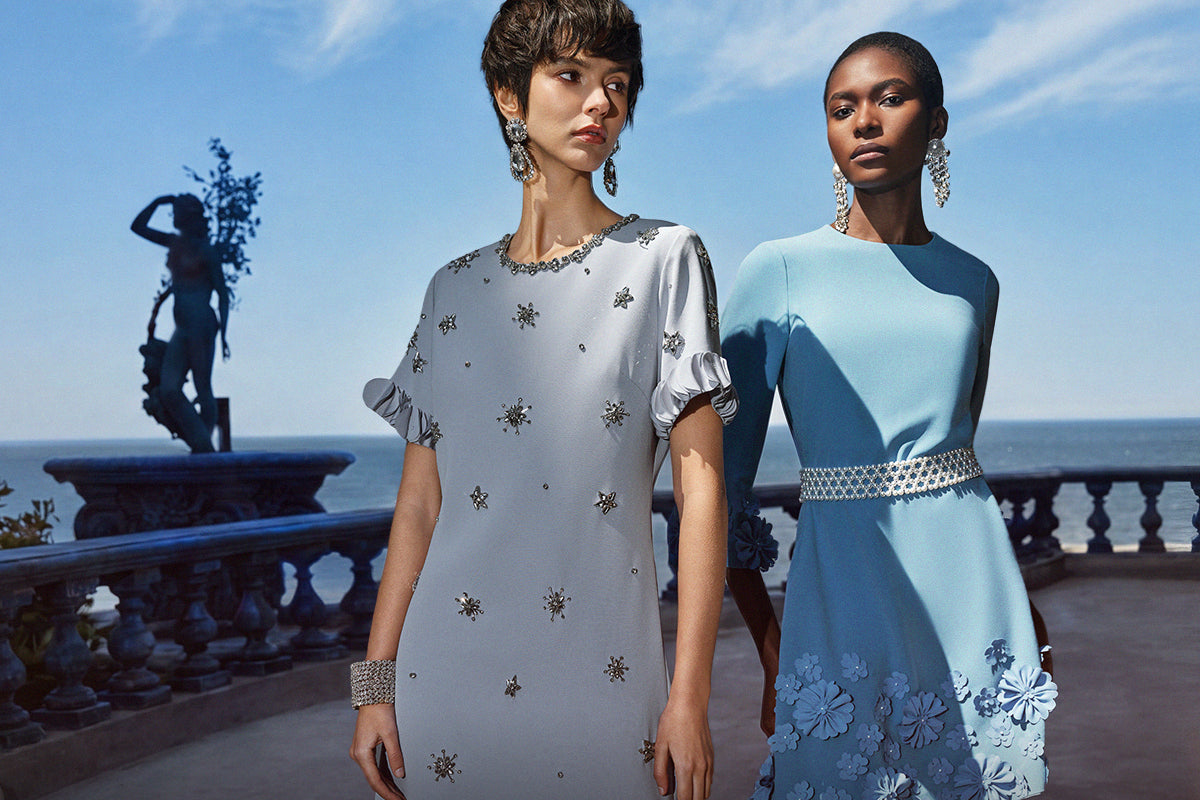
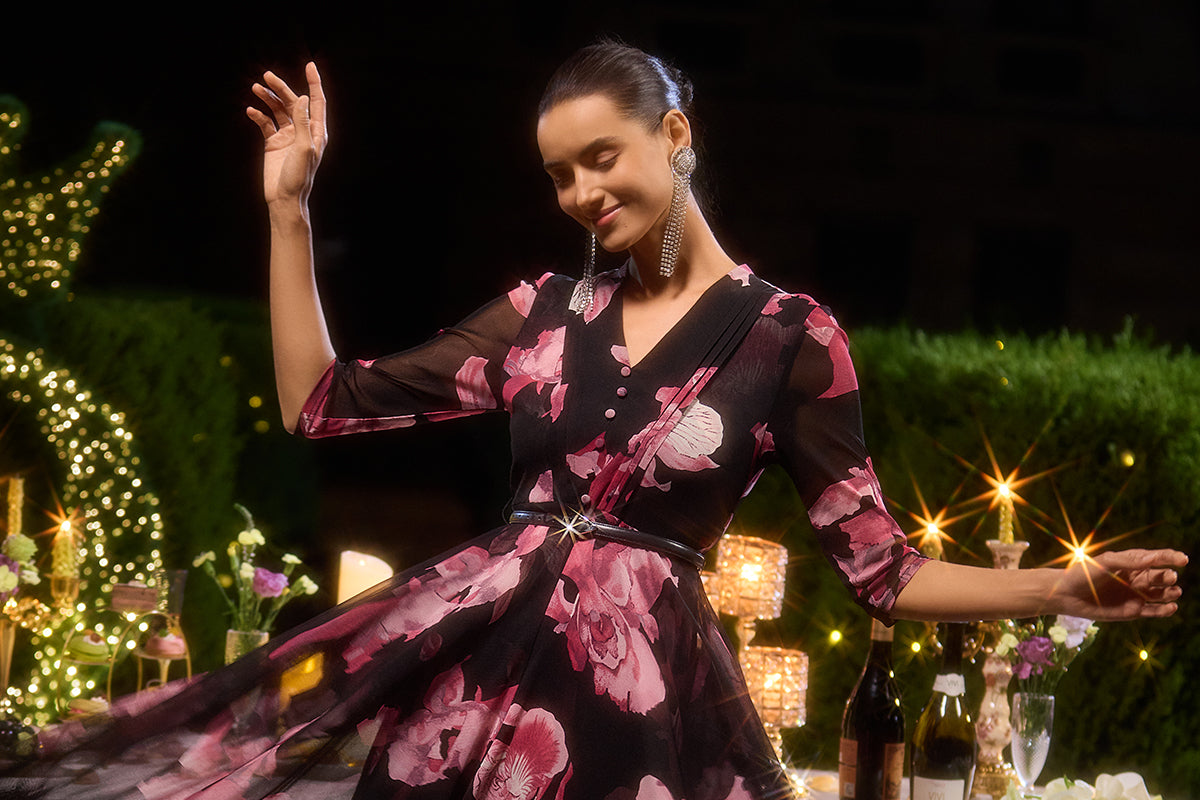
An elegant dress is one of the easiest choices for the opera, ballet, or theater. Midi dresses, wrap dresses, slip dresses, and simple cocktail dresses can look stylish without feeling overdone.
Easy choices include:
- Midi dresses
- Satin or silk-like dresses
- Simple cocktail dresses
- Wrap dresses
- Little black dresses
- Soft floral or solid-color dresses
For evening performances, darker colors and richer fabrics often feel more appropriate. For matinees, lighter colors and simpler dress styles can feel more natural.
Dressy Separates
Dressy separates are a good option if you do not want to wear a dress. A blouse with tailored trousers or a skirt can still feel elegant and comfortable for most performances.
Good combinations include:
- Silk blouse with wide-leg trousers
- Satin skirt with a fitted top
- Tailored pants with a dressy blouse
- Knit top with a midi skirt
- Blazer with trousers
- Camisole with a refined cardigan or jacket
This type of outfit works especially well for modern theaters, ballet performances, and less formal opera nights.
Chic Layers
Layers can make the outfit feel more finished, especially for evening shows or cooler venues. A tailored coat, blazer, shawl, or cropped jacket can add polish without making the look too heavy.
Good layering pieces include:
- Tailored blazers
- Wool coats
- Cropped jackets
- Elegant shawls
- Lightweight wraps
- Dressy cardigans
Choose layers that are easy to remove and do not block the view of people sitting behind you. Simple, clean layers usually look more elegant than bulky or overly casual outerwear.
What Should Men Wear to the Opera, Ballet, or Theater?
Men should wear outfits that look neat, tailored, and appropriate for the setting. A full suit is a safe choice for formal venues, but a blazer with trousers can also work well for many opera, ballet, and theater performances. The goal is to look polished without feeling uncomfortable or overdressed.
Tailored Suits
A tailored suit is the most reliable option for opera houses, evening performances, opening nights, and formal venues. It gives the outfit a clean and respectful look without needing too many extra details.
Good options include:
- Navy suits
- Charcoal suits
- Black suits
- Dark gray suits
- Suit with a white dress shirt
- Suit with a subtle tie or pocket square
For a classic look, keep the colors simple and the fit clean. A well-fitted suit will usually look better than a very formal outfit that feels stiff or oversized.
Blazers and Trousers
A blazer with trousers is a good choice for ballet performances, modern theaters, matinees, and less formal evening shows. It feels dressed up, but still more relaxed than a full suit.
Good combinations include:
- Navy blazer with gray trousers
- Black blazer with tailored pants
- Blazer with a button-down shirt
- Blazer with a fine knit sweater
- Dress shirt with tailored trousers
- Smart coat over a simple shirt and pants
This type of outfit works well when you want to look polished but not overly formal. Avoid very casual hoodies, graphic T-shirts, shorts, or loose jeans.
Polished Shoes
Shoes can make a big difference in how formal the outfit feels. Even a simple blazer and trousers look more refined with clean, polished shoes.
Good shoe options include:
- Oxford shoes
- Derby shoes
- Loafers
- Chelsea boots
- Leather dress shoes
- Clean dark dress boots
Sneakers may work for some modern theaters, but they should be minimal, clean, and in good condition. For opera houses, ballet performances, and formal evening events, leather shoes are usually a better choice.
How to Dress for Matinee, Evening, and Opening Night Performances
The time of the performance can help you decide how formal your outfit should be. Matinee shows are usually more relaxed, evening performances feel dressier, and opening night often calls for the most polished look. The goal is to match the mood of the event without feeling uncomfortable.
Matinee Looks
Matinee performances usually allow a slightly more relaxed outfit. Women can wear a simple dress, blouse with trousers, midi skirt, or polished flats. Men can choose a button-down shirt, smart trousers, loafers, or a casual blazer. The look should still feel neat, but it does not need to be very formal.
Evening Outfits
Evening performances usually call for something more refined. Women can wear a cocktail dress, elegant jumpsuit, satin skirt, or dressy separates with heels or polished flats. Men can wear a suit, blazer with trousers, or a dress shirt with leather shoes. Darker colors and richer fabrics often work well for evening shows.
Opening Night Style
Opening night is usually the dressiest option, especially at an opera house, ballet venue, or major theater. Women can choose a more elegant dress, statement jewelry, a refined coat, or a formal clutch. Men can wear a dark suit, tie, pocket square, or polished dress shoes. You do not always need black tie, but the outfit should feel intentional and event-ready.
Conclusion
What you wear to the opera, ballet, or theater should feel polished, comfortable, and appropriate for the venue. You do not always need a very formal outfit, but it is usually better to look slightly dressed up than too casual.
For women, elegant dresses, dressy separates, and chic layers are easy choices. For men, tailored suits, blazers, trousers, and polished shoes work well. Matinee performances can be more relaxed, while evening shows and opening night usually call for a more refined look.


Leave a comment
This site is protected by hCaptcha and the hCaptcha Privacy Policy and Terms of Service apply.