


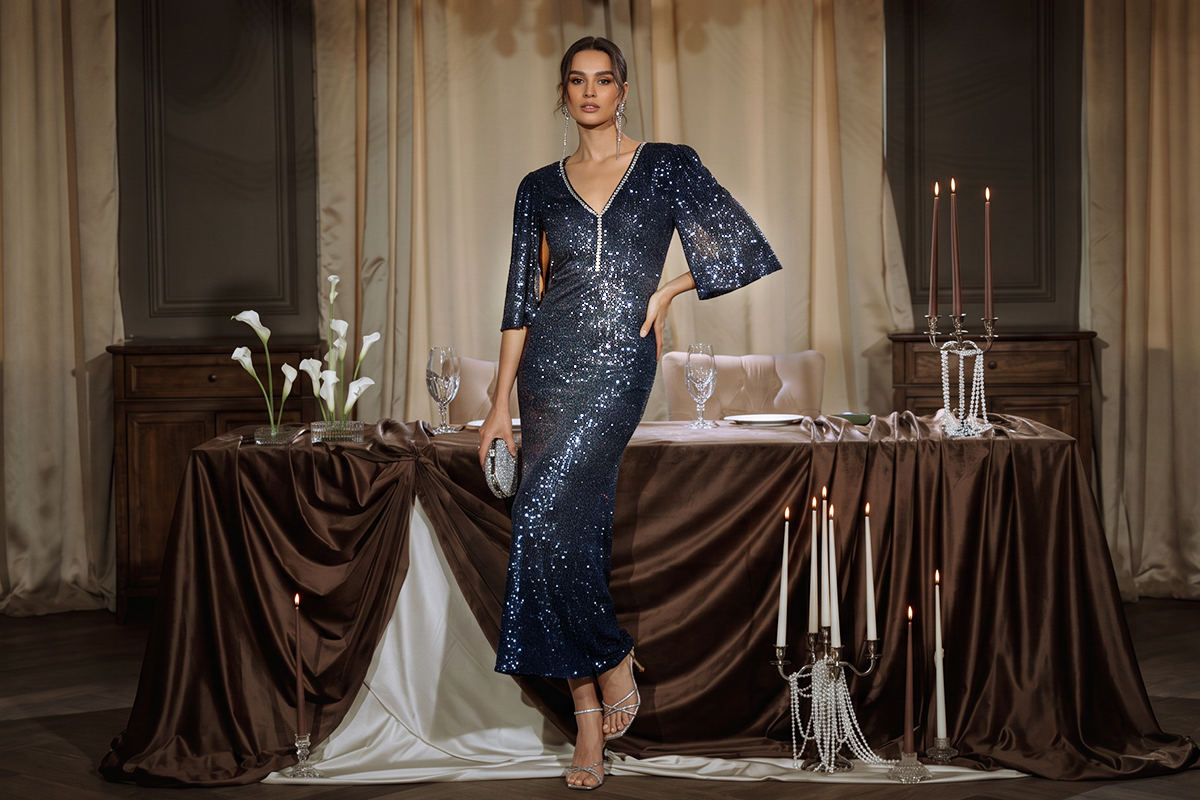
What Is an Evening Gown? Meaning, Styles, and When to Wear One
An evening gown is a long, elegant dress designed for formal events held in the late afternoon or evening. It is commonly worn to black-tie weddings, galas, award ceremonies, formal dinners, balls, and other special occasions that require elevated attire.
Most evening gowns are floor-length or ankle-length, although length alone does not determine whether a dress is formal enough. The fabric, silhouette, construction, embellishment, and overall styling also influence how the gown appears. Understanding these elements can help you distinguish an evening gown from a cocktail dress, ball gown, or ordinary maxi dress.
Understand What an Evening Gown Is
An Evening Gown Is Designed for Formal Evening Events
An evening gown is occasionwear created for events with a formal dress code. It should look noticeably more refined than an everyday dress or a typical party outfit.
The formal appearance may come from structured tailoring, flowing fabric, careful draping, embroidery, beading, lace, or other decorative details. However, an evening gown does not need to be covered in sequins. A simple column gown made from a polished fabric can look just as appropriate as a more embellished design.
The invitation remains the most reliable source of guidance. If the event specifies black tie, white tie, formal attire, or black-tie optional, review the exact wording before selecting a gown.
Evening Gowns Are Usually Floor-Length or Ankle-Length
Traditional evening gowns extend to the floor, creating a long and elegant silhouette. An ankle-length gown may also be suitable, particularly when it has a refined shape and formal material.
The finished length will vary according to the wearer’s height, body proportions, and shoes. A dress shown as floor-length on one person may fall above the ankles on someone taller.
Always review the garment measurements instead of relying only on the product category. Try the gown with the shoes you intend to wear and confirm that the hem does not drag, catch under the heel, or restrict movement.
Fabric, Structure, and Details Determine the Formality
Length is only one part of an evening gown. The complete design determines whether the dress looks appropriate for a formal event.
Common evening-gown materials include:
- Satin
- Silk
- Chiffon
- Velvet
- Lace
- Tulle
- Crepe
- Embroidered or beaded fabric
Construction also matters. Linings, boning, internal support, fitted seams, carefully placed pleats, and structured bodices can give a gown a more polished appearance.
Decorative elements such as sequins, crystals, embroidery, appliqué, feathers, or draping may increase the formality, but they should work with the silhouette rather than overwhelm it.
Compare Evening Gowns With Other Dresses

Evening Gown vs. Formal Dress
“Formal dress” is a broad category. It may describe an evening gown, an elegant midi dress, a formal jumpsuit, or another outfit suitable for an elevated event.
An evening gown is a more specific type of formal dress. It is generally long and intended for evening occasions or highly formal ceremonies.
The event determines whether a formal dress needs to be a gown. A formal daytime wedding may permit a sophisticated midi dress, while a black-tie gala will usually call for a floor-length gown.
Evening Gown vs. Cocktail Dress
A cocktail dress is generally shorter and slightly less formal than an evening gown. Knee-length, midi, and tea-length silhouettes are common for cocktail attire.
Cocktail dresses often suit receptions, evening parties, restaurant celebrations, and semi-formal weddings. Evening gowns are more appropriate when the occasion requires black-tie or similarly elevated clothing.
There can be some overlap. A streamlined ankle-length dress may work for an upscale cocktail event, while an embellished midi dress may appear more formal than a simple long dress. Evaluate the complete outfit rather than using the hemline as the only test.
For shorter occasionwear, explore the Rich Radiqs midi dress collection and compare the silhouette, fabric, and embellishment of each design.
Evening Gown vs. Ball Gown
A ball gown is a specific type of evening gown with a fitted bodice and a noticeably full skirt. It creates a dramatic silhouette traditionally associated with balls, white-tie events, formal galas, and ceremonial occasions.
Not every evening gown is a ball gown. Column, sheath, A-line, mermaid, and softly flowing gowns can all qualify as eveningwear without having a voluminous skirt.
A ball gown may appear excessive at a standard formal dinner or black-tie optional wedding. Consider the venue and expected level of ceremony before choosing this shape.
Evening Gown vs. Maxi Dress
A maxi dress is defined primarily by its length. It usually reaches the ankles or floor, but it can be casual, smart-casual, resort-oriented, or formal.
An evening gown is defined by both length and formality. Casual jersey maxi dresses, beach dresses, and relaxed cotton styles are not automatically evening gowns.
Some maxi dresses can work as eveningwear when they feature polished construction, formal fabric, suitable coverage, and refined details. Always examine the individual product rather than assuming every long dress meets a formal dress code.
Know When to Wear an Evening Gown

Black-Tie Weddings and Formal Receptions
A floor-length evening gown is a dependable choice for a black-tie wedding. Select a design that feels elegant without competing with the couple or appearing bridal.
Avoid white, ivory, and similar bridal shades unless the couple explicitly requests them. Cultural wedding traditions may also give specific meanings to colors such as red, black, or gold, so follow any guidance provided by the hosts.
For a black-tie optional wedding, women may usually choose between an evening gown and another highly polished formal outfit. The venue and time can help determine which option feels most appropriate.
Galas, Balls, and Award Ceremonies
Galas, charity balls, award ceremonies, and red-carpet events commonly call for evening gowns. These occasions often allow more dramatic silhouettes, luxurious fabrics, and noticeable embellishment.
Even so, the gown should remain practical. Consider whether the event involves seated dining, stairs, photographs, dancing, or extended periods of standing. A dramatic train may look impressive but become difficult to manage in a crowded venue.
Formal Dinners, Operas, and Special Celebrations
Evening gowns may also be worn to diplomatic dinners, military balls, formal anniversary celebrations, operas, and other cultural events.
Not every theater performance or restaurant dinner requires a gown. Check whether the invitation names a dress code and consider the formality of the venue. Wearing a floor-length embellished gown to an ordinary dinner may look overdressed, while wearing a casual maxi dress to a ceremonial banquet may look underdressed.
Follow the Invitation, Venue, and Event Requirements
The invitation should take priority over general fashion advice. Do not automatically interpret “formal” as black tie or reduce “black tie” to cocktail attire.
After reading the dress code, consider:
- Whether the event takes place during the day or evening
- Whether the venue is a ballroom, hotel, garden, restaurant, or religious building
- Whether the occasion is social, professional, cultural, or ceremonial
- Whether the hosts have specified colors or coverage
- How much walking, sitting, or dancing will be involved
When requirements remain unclear, ask the host rather than making assumptions that could leave you noticeably over- or underdressed.
Choose the Right Evening Gown
Select a Suitable Length and Silhouette
Choose a silhouette that fits the event and allows you to move comfortably.
An A-line gown has a fitted upper section and gradually widens toward the hem. A column gown follows a straighter line, while a mermaid gown fits closely through the torso and hips before widening lower on the skirt. Flowing and pleated gowns offer softer movement.
No silhouette flatters every person in exactly the same way. Focus on secure fit, balanced proportions, and comfort instead of trying to follow a universal body-shape rule.
Explore the Rich Radiqs event dress collection to compare refined silhouettes and occasion-ready details.
Choose the Fabric, Color, and Embellishment

The season, venue, and event tone should guide the material and color.
Velvet and heavier fabrics may suit cold-weather events, while chiffon, silk, and lighter layered fabrics can work for warmer conditions. Do not assume fabric composition from photographs; read the written product information and garment label.
Black, navy, burgundy, deep green, metallic shades, and jewel tones are traditional evening choices, but lighter colors can also work. Pastels and softer shades may be appropriate for spring or summer celebrations when they do not conflict with wedding etiquette.
If the gown has strong embroidery, sequins, or beading, keep the accessories more restrained. A simpler gown can support a more noticeable necklace, pair of earrings, or evening bag.
Check the Fit, Lining, Closure, and Mobility
Review the product-specific size chart and compare the garment measurements with your body measurements. Do not rely entirely on the size label, as sizing can vary among designs.
Check:
- Bust, waist, and hip measurements
- Gown and lining length
- Zipper, button, hook, or corset closure
- Stretch and fabric weight
- Lining and transparency
- Built-in support or boning
- Slit height and neckline security
Try on the complete outfit with the intended undergarments and shoes. Sit, walk, turn, raise your arms, and use a step. The gown should remain secure without constant adjustment.
Match the Gown to the Season and Venue
A gown suitable for an indoor ballroom may not work equally well at an outdoor wedding. Floor-length hems can collect dirt or moisture on grass, while narrow heels may sink into soft ground.
For cooler weather, choose a gown that works comfortably beneath a formal coat, cape, or wrap. In warm conditions, consider breathable construction and avoid assuming that a lightweight appearance means the fabric will remain cool.
The Rich Radiqs dress collection includes different lengths, fabrics, and silhouettes that can be compared according to the occasion.
Style an Evening Gown
Choose Heels, Dressy Flats, or Formal Sandals
Heels are traditional but not compulsory. Dressy flats, polished slingbacks, low block heels, and formal sandals can also complement an evening gown.
Choose the shoes before finalizing the hem. The heel height can change how the gown falls and whether it clears the floor.
The footwear should also match the venue. A block heel may be more stable for an outdoor reception, while a refined flat can be practical for long periods of standing.
Carry a Clutch or Small Evening Bag
A clutch, minaudière, or small structured bag usually works better with an evening gown than an oversized daytime tote.
Choose a bag large enough for essential items without overwhelming the dress. It does not need to match the shoes exactly, but the colors, materials, and level of formality should coordinate.
If the gown has extensive embellishment, select a quieter bag. A simple gown may support a metallic, beaded, or crystal-accented design.
Coordinate Jewelry With the Neckline and Details
Use the gown’s neckline and decorative elements to guide the jewelry.
A simple strapless or V-neck gown may work with a necklace, while a high neckline or heavily embellished bodice may need only earrings and a bracelet. Avoid jewelry that catches repeatedly on lace, mesh, sequins, or embroidery.
One focal accessory is often enough. Wearing a statement necklace, oversized earrings, decorative hairpiece, and heavily embellished bag together can make the outfit look unbalanced.
Add a Wrap, Jacket, or Formal Coat When Needed
A refined wrap, cape, structured jacket, or formal coat can provide warmth and coverage without making the gown look casual.
Try the outer layer over the complete gown before the event. Make sure it accommodates the sleeves, shoulders, and embellishment without crushing or pulling the fabric.
A removable layer can also help when a ceremony requires more coverage than the reception. However, if a religious or cultural venue has specific requirements, confirm that the chosen layer satisfies them throughout the ceremony.
Conclusion
An evening gown is a long formal dress intended for elegant evening events such as black-tie weddings, galas, balls, award ceremonies, and ceremonial dinners. Although most evening gowns are floor-length or ankle-length, the fabric, construction, silhouette, and embellishment are just as important as the hemline.
Begin with the invitation, then use the venue, season, time, and event requirements to refine your choice. Check the measurements and product details, test the complete outfit for movement, and coordinate the shoes, bag, jewelry, and outerwear with the gown’s design.


Leave a comment
This site is protected by hCaptcha and the hCaptcha Privacy Policy and Terms of Service apply.