


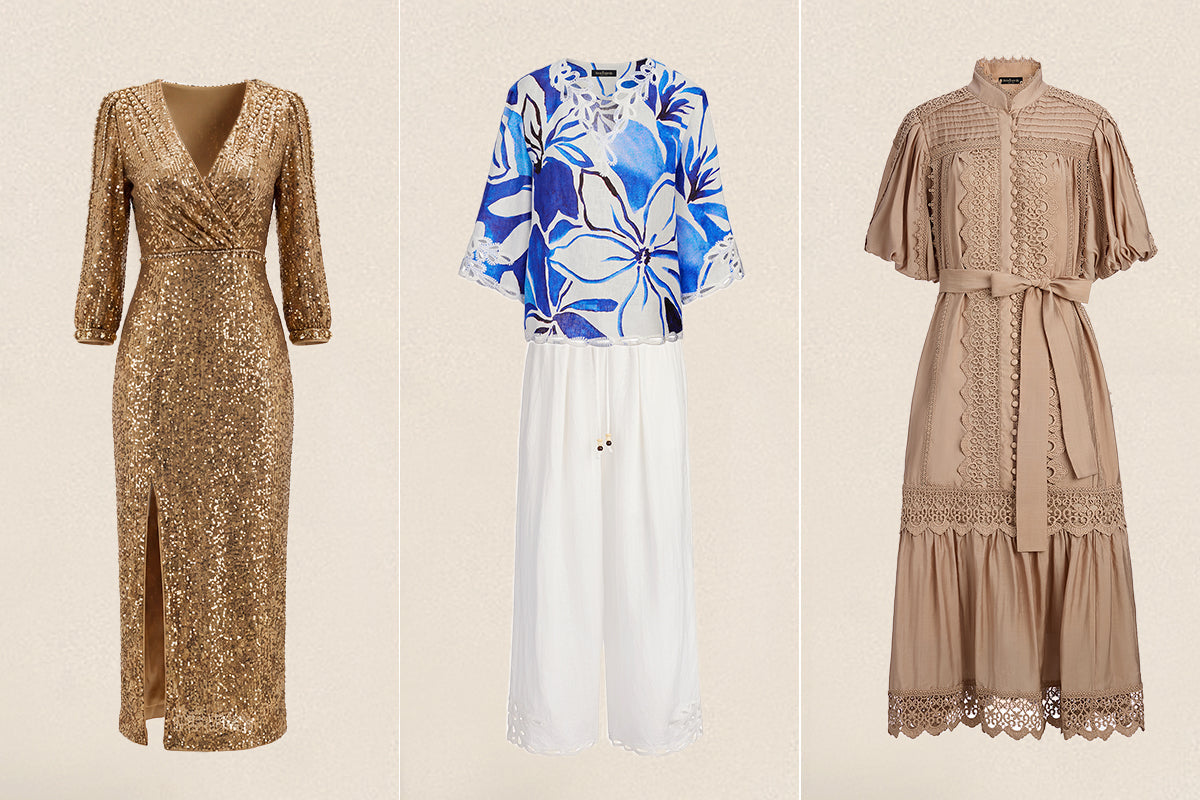
Stylish Clothes for Women in Their 40s: Chic, Comfortable, and Modern Outfit Ideas
Getting dressed in your 40s often becomes less about following every new trend and more about finding clothes that work across a busy, varied routine. You may need outfits that feel polished for work, comfortable for everyday errands, and easy to adapt for dinner, travel, or last-minute plans.
The most useful clothes for women in their 40s combine modern shapes, reliable basics, comfortable fabrics, and a few current details that still feel personal. With a small set of flexible outfit formulas and more selective shopping habits, it becomes easier to look put together without spending extra time deciding what to wear.
How Style Priorities Often Change in Your 40s
For many women, style priorities become more practical and selective in their 40s. The focus often shifts toward clothes that fit a real schedule, combine easily, and remain comfortable throughout the day.

Reassess What You Actually Wear Each Week
Look at which clothes you repeatedly reach for and which ones stay untouched. Your most useful pieces may be simple trousers, easy knits, polished sneakers, or jackets that work across several settings.
This review helps reveal genuine wardrobe gaps. You may need a better everyday jacket or more versatile tops rather than another statement piece that only works for one occasion.
Build a Wardrobe Around Multiple Daily Roles
Many days may include work, errands, family responsibilities, and social plans without time for a complete outfit change. Choose pieces that can shift between these roles with one small adjustment.
For example, tailored trousers and a knit top can work with sneakers during the day, then feel dinner-ready with loafers, earrings, and a structured bag.
Replace Impulse Purchases With Reliable Outfit Combinations
Before buying something new, decide which existing pieces you would wear it with. A useful item should create several complete outfits rather than depend on another purchase.
Keeping a few reliable combinations in mind also makes busy mornings easier. When trousers, tops, outer layers, and shoes already work together, getting dressed requires less trial and error.
Adjust Your Wardrobe as Fit and Comfort Needs Change
Fit preferences can change over time, even when your clothing size stays similar. Waist placement, sleeve shape, fabric weight, or shoe support may matter more now than they did several years ago.
Focus on how clothes feel while sitting, walking, and moving through a full day. Small alterations or a different cut can often improve comfort without making the outfit look less modern.
Easy Outfit Formulas for a Busy 40-Something Lifestyle
A useful outfit formula should reduce decision-making without making every look feel the same. The key is to start with a dependable base, then adjust the shoes, outer layer, or accessories for the next part of the day.

The Desk-to-Dinner Outfit Formula
Tailored trousers, a fine-knit top, and a relaxed blazer create a polished base that works through the workday. For dinner, switch to a smaller bag and add earrings or low heels rather than changing the whole outfit.
The School-Drop-Off-to-Lunch Outfit Formula
Straight-leg jeans, a well-fitted T-shirt, and a lightweight jacket feel practical for school drop-off but still look presentable at lunch. Clean sneakers keep the outfit comfortable, while loafers or a structured crossbody bag give it a more polished finish.
The Work-From-Home Outfit Formula
Choose soft pull-on trousers with a knit polo, refined T-shirt, or relaxed blouse that looks polished on video calls. A cardigan, defined neckline, or simple pair of earrings can make the upper half feel finished while keeping the full outfit comfortable.
The Casual Weekend Outfit Formula
Relaxed jeans, utility trousers, or a casual midi skirt work well with a striped top, soft shirt, or lightweight knit. Add an overshirt or denim jacket depending on the weather, then finish with sneakers, clogs, or ankle boots.
The Last-Minute Evening Outfit Formula
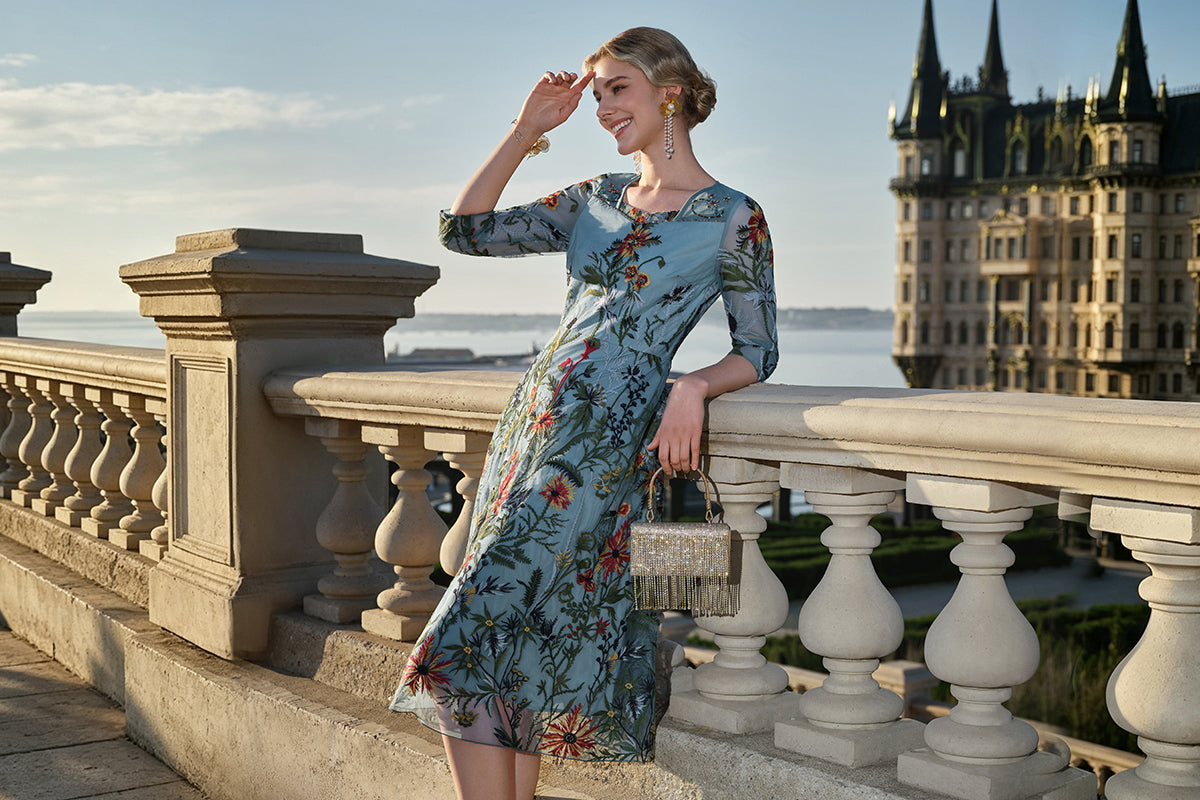
Dark trousers and a draped blouse offer an easy option when there is little time to plan. Metallic flats, statement earrings, or a compact evening bag can make the outfit feel ready for dinner without looking overdone.
The Carry-On Travel Outfit Formula
Stretch trousers, a breathable top, and a lightweight knit layer provide comfort without looking too casual. Choose wrinkle-resistant fabrics and streamlined sneakers so the same outfit still feels appropriate after arrival.
How to Wear Current Trends Without Losing Your Personal Style
Trends can refresh a wardrobe, but they work best when they support the colors, shapes, and outfit types you already enjoy. Instead of rebuilding your look each season, use trends selectively and adapt them to your daily routine.

Use the 80/20 Rule for Trends and Core Pieces
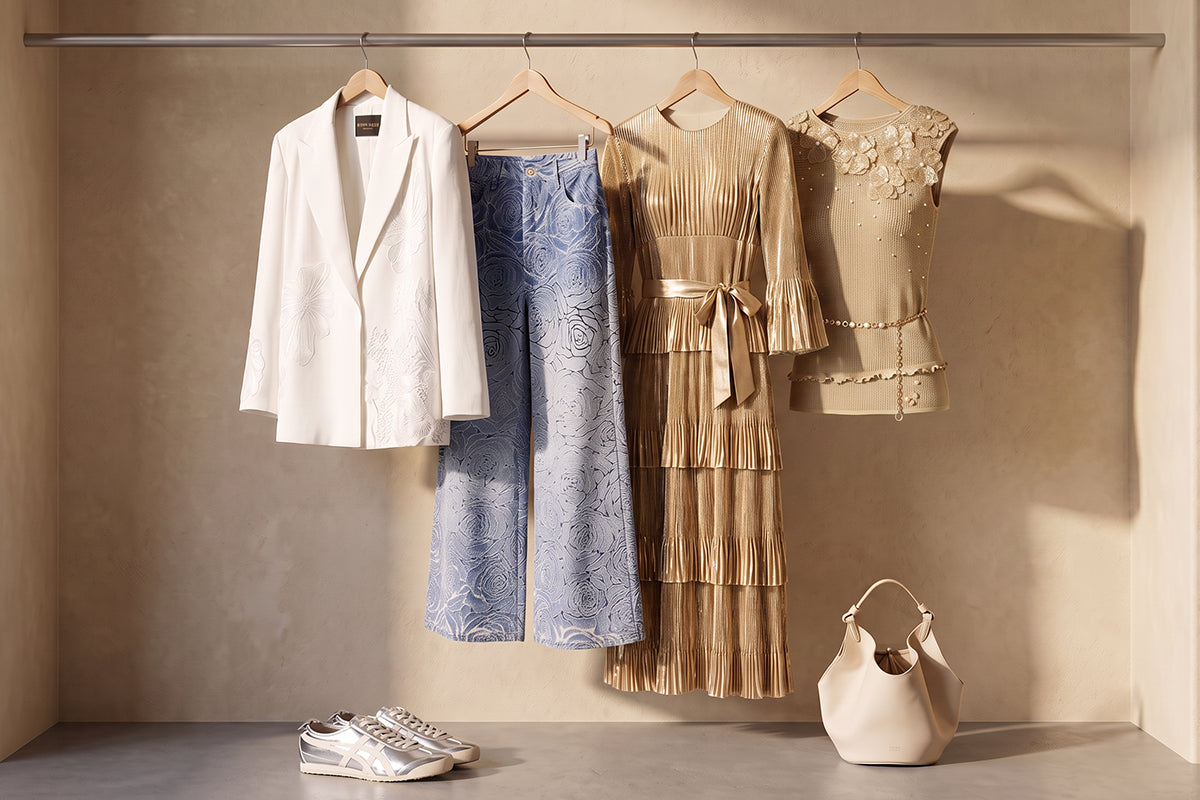
Build most of the outfit from familiar staples, then let one trend provide the update. For example, pair classic trousers and a simple knit with metallic flats, or wear straight-leg jeans and a white shirt with a bag in a current silhouette.
Keeping roughly 80% of the outfit familiar helps the trend feel intentional rather than costume-like.
Refresh One Clothing Category at a Time
When part of your wardrobe needs an update, focus on one category rather than buying several unrelated trend pieces. This might mean replacing worn shoes, trying a new trouser shape, or introducing a seasonal color through knitwear.
Updating one category at a time makes it easier to check whether each new piece works with what you already own.
Translate Runway Shapes Into Wearable Outfits
Runway styling often exaggerates volume, length, or layering. Keep the central idea but adjust the proportion for everyday wear. An oversized runway blazer can translate into a softly structured jacket, while extremely wide-leg trousers can become a moderately relaxed pair with a clean waistband.
The goal is to borrow the silhouette without copying the full look.
Try Trends Through Color, Texture, or Detail
A trend does not need to be the main garment. Smaller updates are often easier to wear and repeat, such as:
- A seasonal color in a blouse, scarf, or knit
- Suede or satin texture, or a metallic finish on shoes or a bag
- Current details such as an asymmetric neckline or sculptural jewelry
- A modern print used in one piece rather than across the full outfit
These elements can make familiar combinations feel current without changing your overall style.
Create a Personal List of Trends to Wear or Skip
Before adding a trend, consider whether it suits your lifestyle and works with at least three pieces you already own. A simple personal filter can prevent impulse purchases:
- Wear: trends that suit your preferred colors, proportions, and daily activities
- Adapt: ideas you like but would prefer in a simpler cut or quieter shade
- Skip: pieces that feel uncomfortable, difficult to style, or unlike anything else in your wardrobe
This list can change from season to season, but it keeps your choices connected to your personal style.
Conclusion
A strong wardrobe in your 40s should make everyday dressing faster while still reflecting your personal style. Build around outfit combinations that suit your real schedule, then use fit, color, texture, and accessories to keep them feeling current.
You do not need to replace everything or follow every trend. A few thoughtful updates can make the clothes you already own easier and more enjoyable to wear.


Leave a comment
This site is protected by hCaptcha and the hCaptcha Privacy Policy and Terms of Service apply.