


Can You Wear a Short Dress to a Formal Wedding?
You can sometimes wear a short dress to a formal wedding, but the dress should usually reach the knee or fall slightly below it. A mini dress is generally too casual for a formal ceremony, especially when the event takes place in the evening, at a ballroom, or under a black-tie or black-tie-optional dress code.
Length is only one part of the decision. A shorter dress is more likely to work when it has a refined silhouette, secure coverage, polished material, and wedding-appropriate details. If the invitation suggests traditional formalwear or you remain uncertain, an elevated midi or floor-length dress is the safer choice.
Understand When a Short Dress Can Work at a Formal Wedding
A Knee-Length Dress Can Sometimes Suit Formal Wedding Attire
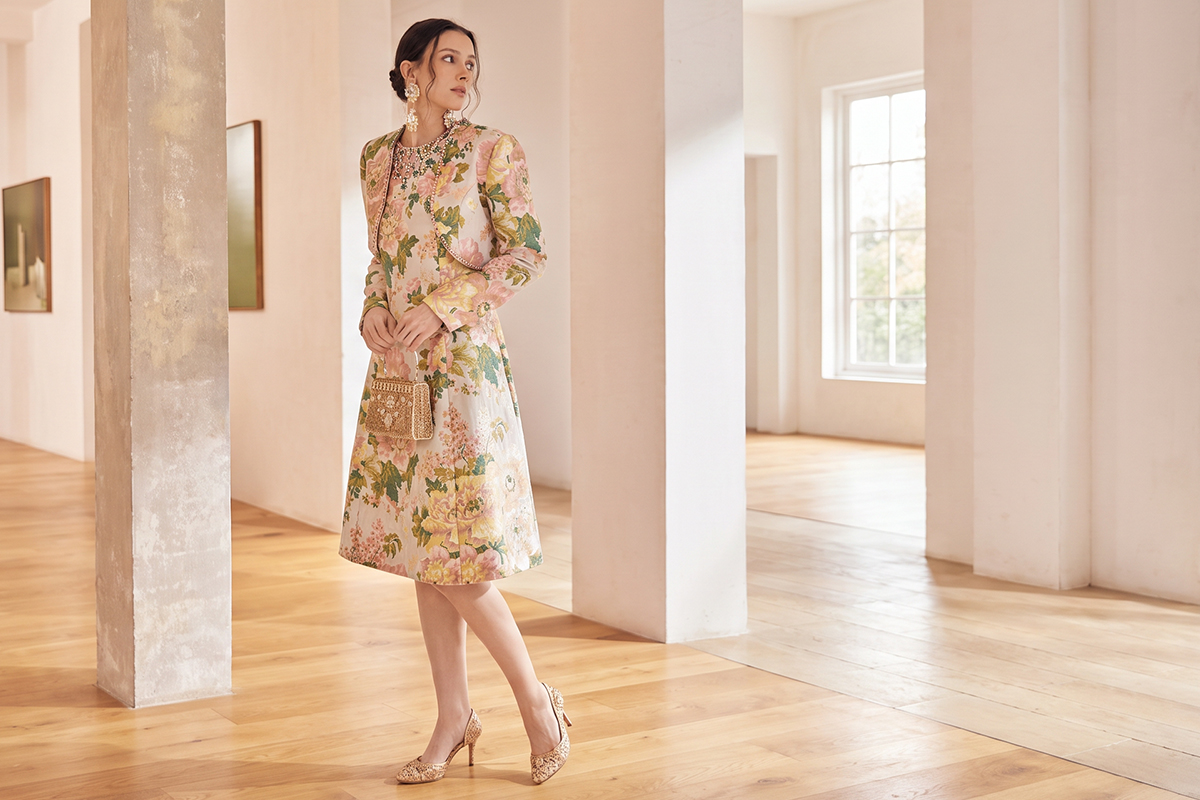
A knee-length dress may work at a formal wedding when the complete design looks sufficiently elevated.
The strongest options usually have a clear silhouette, polished finish, and enough structure or detail to distinguish them from everyday dresses. A tailored sheath, refined A-line dress, or formal fit-and-flare design may be appropriate for certain daytime weddings and modern evening celebrations.
The exact hem position matters. A dress that reaches the knee creates a different impression from one ending high on the thigh, even when both products are described as “short.”
A Mini Dress Is Usually Too Casual for a Formal Wedding
A mini dress ends well above the knee and typically creates a more casual or party-oriented impression. That makes it difficult to reconcile with a formal wedding dress code.
Certain highly structured or embellished mini dresses may look expensive or dramatic, but visual impact is not the same as dress-code suitability. A short hem combined with cutouts, a low neckline, sheer panels, or a close clubwear fit will usually feel especially out of place.
If you want to show more of the leg without creating a casual effect, a knee-length or refined midi dress provides a clearer formal direction.
Why Dress Length Is Only One Part of Formality
A long hem does not automatically make a dress formal, and a shorter hem does not automatically make it casual.
Formality also depends on:
- Silhouette and tailoring
- Fabric and lining
- Neckline and coverage
- Surface details
- Color and print
- Shoes, bag, and jewelry
- Venue and time of day
A simple beach maxi may be less formal than a carefully designed knee-length dress. Conversely, a casual sundress does not become formal simply because it is paired with heels.
Judge the complete outfit against the invitation rather than treating length as the only requirement.
When a Midi or Floor-Length Dress Is the Safer Choice
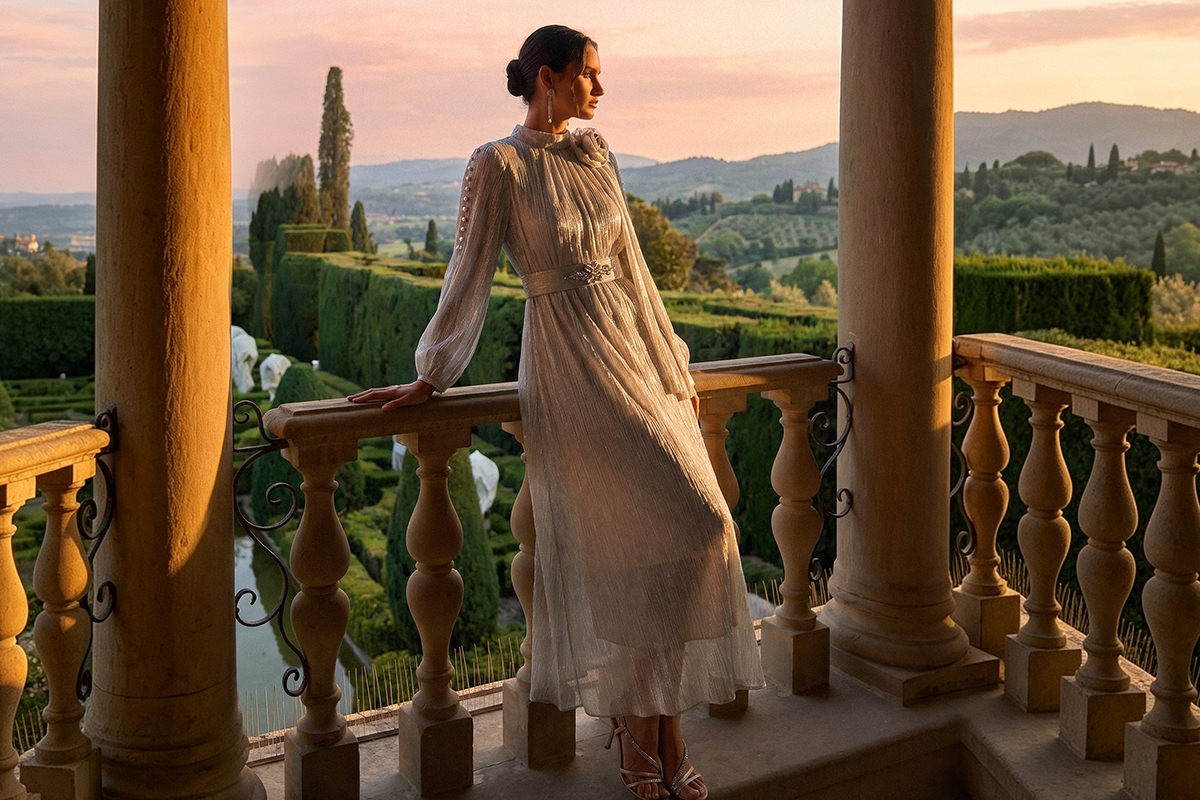
A midi or floor-length dress is safer when the wedding takes place in the evening, at a luxury hotel, in a ballroom, or at a traditional formal venue.
Longer dresses are also more appropriate when the invitation says black tie, black-tie optional, formal evening attire, or another phrase suggesting ceremonial clothing.
RichRadiqs offers both shorter and longer occasion silhouettes within its wedding guest dress collection. Review the individual product rather than assuming every item in the collection satisfies the same dress code.

Read the Wedding Dress Code Before Choosing the Dress
Distinguish Formal Attire From Black-Tie Attire
“Formal” is a broad dress code. For women, it may allow a floor-length dress, elevated midi, formal jumpsuit, or carefully selected knee-length dress.
Black tie is more specific. A floor-length evening gown is the traditional and least ambiguous choice. A highly refined midi may be accepted at some contemporary black-tie weddings, but a short dress creates greater risk of appearing underdressed.
If an invitation explicitly says black tie, do not reduce the requirement to cocktail attire simply because the event is a wedding.
Understand What Black-Tie Optional Means
Black-tie optional allows guests some flexibility, but the overall standard remains close to black tie.
A floor-length gown is fully appropriate. A sophisticated formal midi, evening suit, or polished jumpsuit may also work depending on the venue and host. A knee-length dress would need to be exceptionally refined, and a mini dress would generally be too casual.
When choosing between a short dress and a longer one, the longer option is usually safer for black-tie optional.
Use the Venue and Time of Day to Interpret “Formal”
The venue and schedule help clarify how formal the outfit should be.
A daytime garden wedding may permit an elevated knee-length dress when its design remains polished. An evening wedding in a grand ballroom will usually favor midi or floor-length clothing.
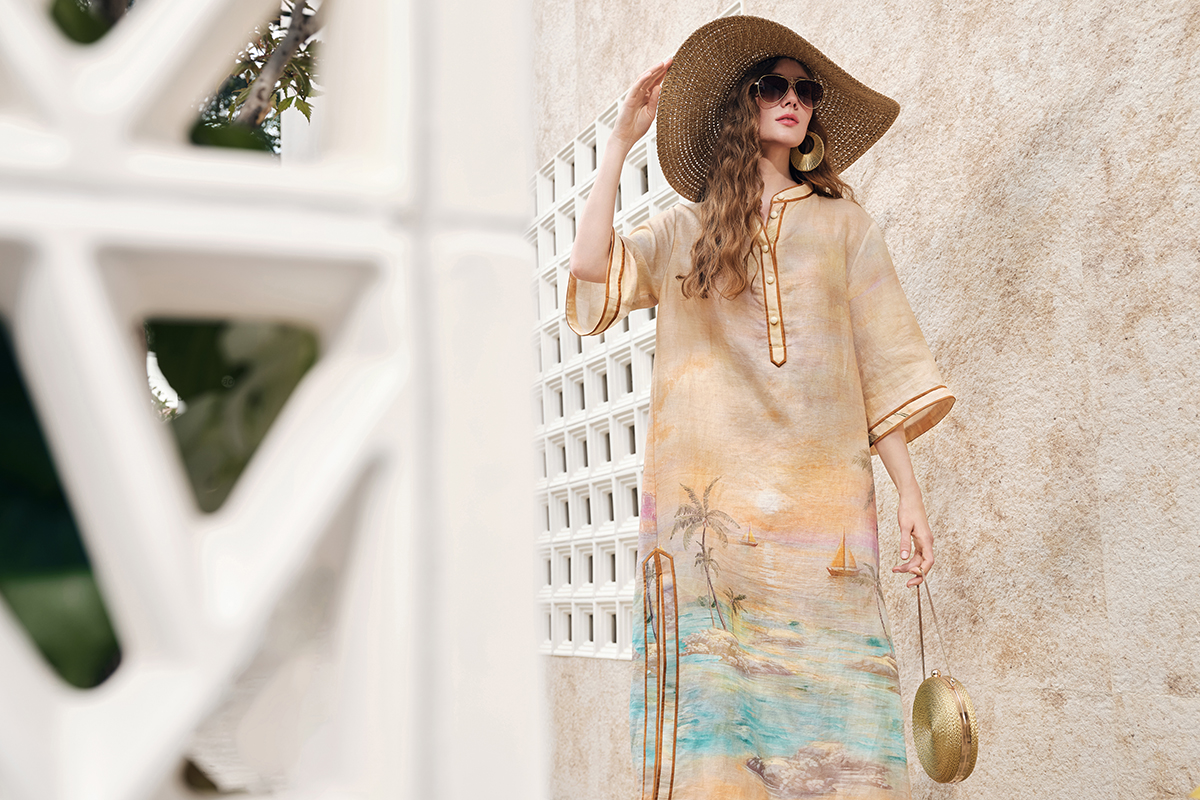
A formal beach or destination wedding may require a lighter, more manageable silhouette without becoming casual. A lightweight maxi or elegant midi can often meet both the dress code and the practical demands of the setting.
For examples organized by different ceremony types, read the RichRadiqs guide to the best wedding guest dresses for every ceremony.
Follow Cultural, Religious, and Couple-Specific Expectations
Formal wedding attire can be influenced by cultural customs, religious requirements, and family expectations.
A religious venue may require covered shoulders, a longer hem, or another form of modest dress. Certain colors may also carry special significance within a ceremony.
Direct instructions from the couple or venue take priority over general fashion advice. A formal jacket or wrap can provide coverage in some situations, but it may not correct a dress that remains too short for the setting.
Ask the Couple When the Dress Code Is Unclear
If the invitation uses vague wording such as “formal celebration” or “elegant attire,” look for additional information on the wedding website.
Consider the venue, start time, and suggested color palette. If these clues still do not resolve the question, ask the couple, wedding party, or organizer.
A short clarification is better than arriving in an outfit intended for a different level of formality.
Choose a Short Dress That Looks Formal Enough
Select a Knee-Length or Slightly Below-the-Knee Hem
When choosing a shorter formal wedding guest dress, aim for a hem at the knee or slightly below it.
Evaluate the hem while standing and sitting. A skirt rises when the knees bend, and a dress that appears appropriately positioned while standing may feel significantly shorter at the table.
The product description may not provide enough information. Compare the listed garment length with a dress you already own, and account for differences in your height and proportions.
Choose a Structured or Refined Silhouette
A tailored sheath, polished A-line dress, fit-and-flare silhouette, or carefully shaped shift can support a formal appearance.
Structure does not have to mean stiffness. The dress simply needs a deliberate shape and a finish that separates it from casual daytime clothing.
Avoid relying on a very tight fit to make the garment appear dressy. Formal wedding attire should remain comfortable and secure throughout the ceremony, dinner, photographs, and dancing.
Evaluate Fabric, Lining, and Transparency

Fabric influences formality, but its properties should be confirmed through written product information or the garment label.
Review:
- Fiber composition
- Lining
- Documented stretch
- Closure
- Weight
- Care requirements
- Sheer or openwork sections
Do not infer these facts from photographs. A light-colored dress may become transparent under strong lighting, and a fitted design may not stretch unless the product information confirms it.
Use Embroidery, Pleats, Lace, or Controlled Embellishment
Decorative details can help elevate a knee-length dress.
Pleating, embroidery, lace, beading, draping, or restrained shine may add occasion value. However, a large amount of embellishment does not automatically compensate for a hem that is too short.
The decoration should work with the silhouette and setting. If the dress already contains strong detail, use simpler jewelry and accessories.
Balance the Hemline With the Neckline and Coverage
A shorter hem places greater emphasis on the legs. Consider how it combines with the neckline, sleeves, back, cutouts, and slit.
A knee-length dress with a secure neckline and controlled fit may look appropriate. A very short dress with a plunging neckline, high slit, and transparent panels is unlikely to meet a formal wedding dress code.
This is not about applying a universal coverage formula. It is about judging whether the complete outfit suits the ceremony and host.
Decide Whether a Short Dress Fits the Wedding Setting
Daytime Formal Weddings
A daytime formal wedding may allow a sophisticated knee-length dress, particularly at a garden, restaurant, or modern city venue.
Choose a polished silhouette and avoid clothing that resembles an ordinary sundress. Soft color, a refined print, or carefully placed detail can work, provided the outfit still feels formal enough for the invitation.
Tea-length and midi dresses remain safer when the venue is traditional or ceremonial.
Evening Hotel and Ballroom Weddings
Evening hotel and ballroom weddings usually call for greater formality.
A short dress may look closer to cocktail attire, especially beside guests in gowns and elevated midis. Choose a longer dress unless the invitation or couple clearly indicates that knee-length formalwear is acceptable.
Explore the RichRadiqs formal ceremony and wedding guest edit when the setting calls for a more elevated silhouette.
Garden and Outdoor Formal Weddings
A knee-length dress can be practical outdoors because the hem stays clear of grass, soil, and uneven surfaces.
Practicality does not remove the formal requirement. Select a refined design and pair it with stable dress shoes, such as block heels, wedges, or polished flats.
A midi dress is often a useful compromise: formal enough for the ceremony but easier to manage than a floor-length gown.
Destination and Summer Formal Weddings
Warm weather may make a shorter dress attractive, but temperature alone does not change the dress code.
A knee-length formal dress may work at certain daytime or destination weddings. For an evening celebration, a lightweight midi or maxi may provide a more appropriate level of formality without feeling seasonally heavy.
For broader warm-weather guidance, consult the RichRadiqs article about what to wear to a summer wedding.
Church and Religious Ceremonies
Religious ceremonies may have specific requirements for hem length, neckline, sleeves, or head coverings.
A knee-length dress may be accepted at one venue and considered too short at another. Check with the couple or venue rather than assuming that a wrap will solve every issue.
If a longer dress is requested, wear one. Venue-specific expectations take priority over personal interpretations of formal attire.
Style a Short Dress for a Formal Wedding
Wear Refined Heels, Slingbacks, or Dressy Flats
Shoes should match the dress and venue.
Heels, slingbacks, polished flats, and refined sandals can all work. For grass or uneven outdoor surfaces, choose block heels, wedges, or flats instead of narrow stilettos.
Formal shoes can support an appropriate dress, but they cannot transform a casual mini dress into formal wedding attire.
Carry a Small Clutch or Structured Bag

A clutch, small shoulder bag, or compact top-handle bag generally complements formal guest attire.
Avoid oversized everyday totes when possible. The bag does not need to match the shoes exactly, but both should belong to the same level of formality.
If the dress includes elaborate embellishment, select a bag with a simpler surface.
Coordinate Jewelry With the Dress Details
Use the dress as the starting point.
A simple knee-length dress may support a statement earring, brooch, or necklace. An embellished neckline may need little additional jewelry.
Avoid adding multiple dramatic pieces merely to make a short dress look more formal. Accessories should complete an already appropriate garment.
Add a Formal Wrap, Jacket, or Coat
A tailored jacket, refined wrap, evening coat, or cape can provide warmth and coverage.
The layer should coordinate with the dress and fit comfortably over its sleeves and decoration. Test it before the wedding to make sure it does not pull at the shoulders or catch on embroidery and beading.
At a religious ceremony, confirm whether a removable layer provides sufficient coverage.
Keep the Complete Outfit Elegant Without Overcompensating
A short dress does not need dramatic jewelry, highly embellished shoes, formal gloves, and an ornate bag all at once.
Overcompensation can make the outfit look disconnected rather than more formal. Select a dress that already meets the dress code, then use accessories to finish it.
Know When Not to Wear a Short Dress
Avoid Short Dresses for Traditional Black-Tie Weddings
A traditional black-tie wedding usually calls for a floor-length gown or another clearly elevated evening option.
A knee-length dress may appear underdressed, and a mini dress is unlikely to be appropriate. When the host requests black tie, follow that standard rather than choosing according to convenience.
Do Not Wear a Hem That Feels Like Clubwear
A very high hem combined with a body-conscious fit, large cutouts, or a revealing neckline can shift the outfit toward clubwear.
Even if the dress is embellished or expensive, it may still conflict with the ceremonial nature of a formal wedding.
Avoid Casual Sundresses and Everyday Fabrics
A casual sundress, T-shirt dress, beach dress, or simple jersey garment is generally too relaxed for a formal wedding.
Lengthening the hem or adding heels does not necessarily change the garment’s fundamental character. Evaluate the design as a whole.
Do Not Rely on Accessories to Correct an Informal Dress
Formal shoes, a designer bag, and statement jewelry cannot reliably elevate a dress that is clearly too casual or too short.
Accessories support the main garment. They should not be expected to perform the entire dress-code function.
Choose a Midi or Long Dress When You Remain Uncertain
When the invitation says formal and the evidence remains ambiguous, a refined midi or floor-length dress presents less risk.
The RichRadiqs event and evening dress collection includes different lengths and levels of detail. Review each garment’s measurements, lining, closure, and product information before deciding whether it fits the wedding.
Conclusion
You can wear a short dress to some formal weddings when the hem reaches approximately the knee and the complete design is sufficiently refined. A mini dress is generally too casual, particularly for evening, ballroom, traditional, black-tie, or religious weddings.
Read the invitation first. Then consider the venue, time, cultural context, silhouette, fabric, coverage, and accessories. If the dress still feels close to cocktail or partywear, choose an elevated midi or floor-length option instead.


Leave a comment
This site is protected by hCaptcha and the hCaptcha Privacy Policy and Terms of Service apply.