


How to Choose a Designer Dress for a Formal Event on a Budget Without Sacrificing Style
To choose a designer dress for a formal event on a budget, start with the dress code, set a total budget that includes alterations and cleaning, and prioritize fit, fabric, and construction over logos or short-lived trends. Look for sale pieces, versatile silhouettes, secure embellishment, and colors you can wear again. A well-fitting $239 dress usually looks more sophisticated than an expensive gown that needs extensive alterations.
Use this quick framework before shopping:
- Confirm the event’s dress code, venue, season, and start time.
- Reserve 10–20% of your budget for alterations, cleaning, or accessories.
- Choose a silhouette that already works with your proportions.
- Inspect the lining, seams, zipper, hem, fabric, and embellishment.
- Read the return terms before purchasing—especially for final-sale dresses.
- Calculate cost per wear rather than focusing only on the price tag.
The goal is not simply to find the cheapest formal dress. It is to find the most polished, wearable option within your complete event budget.
Choose a Designer Dress for Each Formal Event
A dress can be beautiful and still be wrong for the occasion. Matching the garment to the formality, venue, and expected movement helps you avoid an expensive mistake.
|
Formal event |
Recommended dress |
Best materials |
Practical priority |
|
Black-tie gala |
Floor-length gown |
Satin, crepe, velvet |
Elegant drape and full-length proportions |
|
Formal wedding |
Midi or maxi dress |
Chiffon, lace, silk blends |
Celebration-appropriate color and comfort |
|
Corporate reception |
Sheath or A-line dress |
Crepe, jacquard, suiting fabric |
Polished coverage and structure |
|
Evening party |
Cocktail or refined midi dress |
Satin, lace, embellished fabric |
Personality without excessive formality |
|
Outdoor event |
Stable midi or ankle-length dress |
Linen blend, chiffon, pleated fabric |
Weather, movement, and hem control |

Black-Tie Galas: Satin, Crepe, or Velvet Gowns
For a black-tie gala, choose a floor-length gown with an intentional, elegant finish. Satin reflects evening light, crepe creates a smooth and forgiving line, and velvet adds depth during cooler seasons.
A simple gown can look more expensive when it has a clean neckline, balanced proportions, and a properly finished hem. Avoid spending the entire budget on dramatic decoration if the dress will then require costly shortening, bodice reconstruction, or special undergarments.
For more formal options, browse theEvent-Ready to Wear collection, which includes embroidered gowns, sequined dresses, and other elevated occasion pieces.
Formal Weddings: Chiffon or Lace Midi Dresses
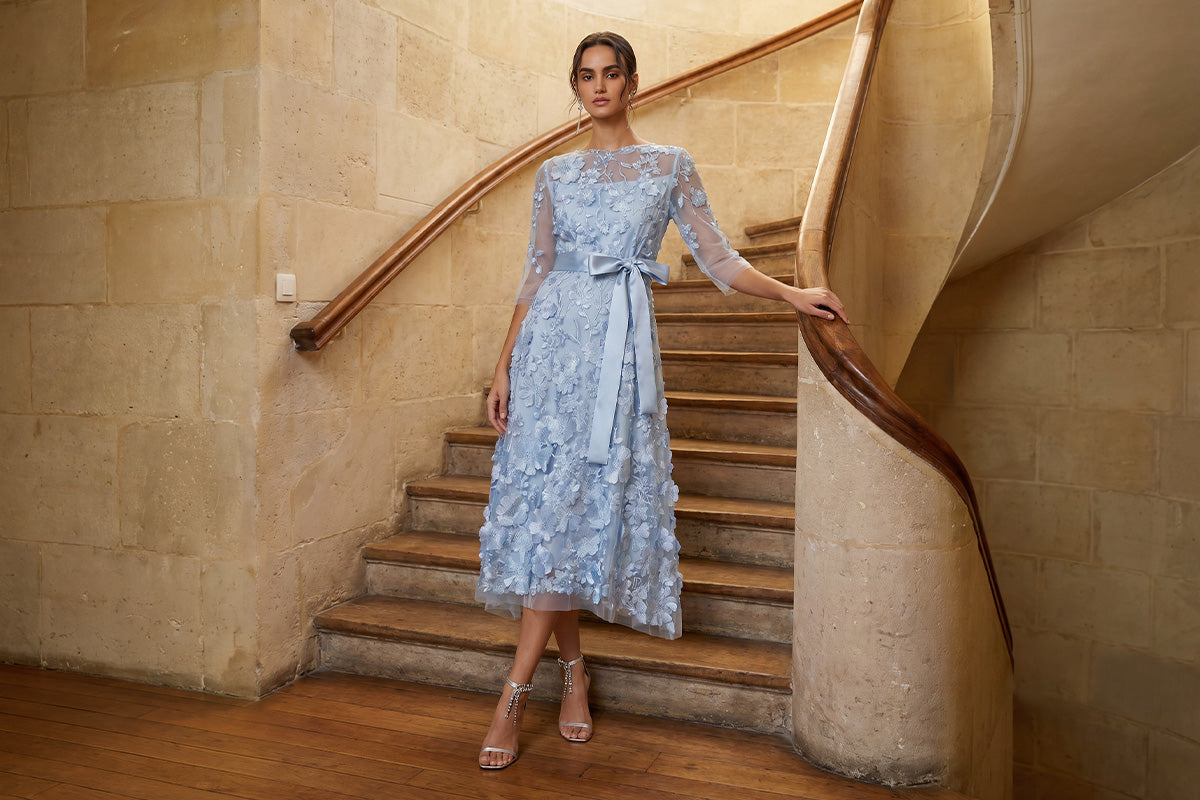
A formal wedding guest dress should feel celebratory without competing with the wedding party. Chiffon provides movement, while lace and embroidery add visual interest that photographs well.
Midi dresses are especially practical because they work for afternoon ceremonies, evening receptions, and many future events. Unless the couple requests otherwise, avoid white, ivory, and colors that closely resemble the bridal gown. Also consider the venue: a heavily embellished mini may suit an urban cocktail reception but feel impractical at a garden ceremony.
Readers who are still deciding between lengths can consult thismidi-versus-maxi dress guide.
Corporate Receptions: Structured Sheath or A-Line Dresses
For a corporate reception, choose clean structure, controlled necklines, and a hem that remains comfortable while sitting or networking. Sheath dresses communicate precision, while A-line dresses provide more room through the hips and make movement easier.
Black, navy, deep green, burgundy, and restrained prints are dependable choices. Instead of relying on revealing cutouts or excessive sparkle, create interest through texture, subtle embroidery, or an architectural neckline. The dress should look professional without feeling identical to office wear.
For more focused advice, see this guide toformal dresses for company parties and corporate events.
Evening Parties: Refined Midi and Cocktail Dresses
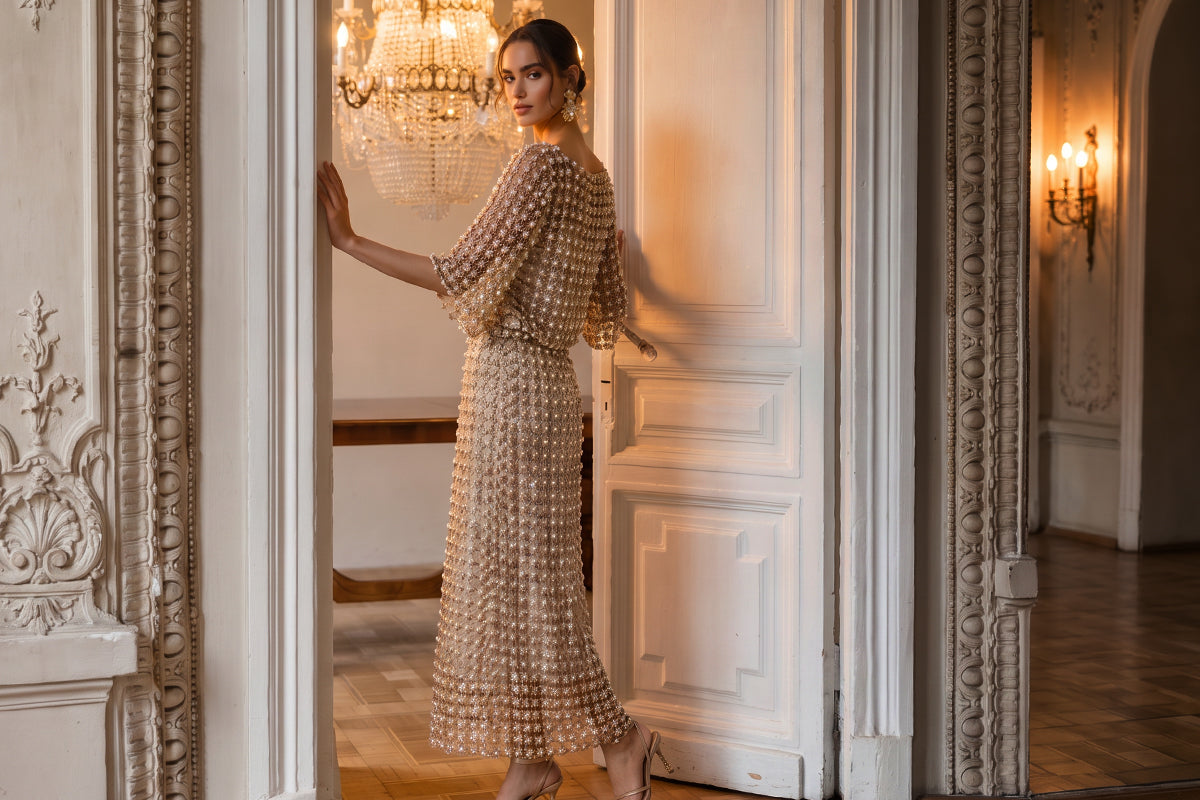
Evening parties generally allow more personality than corporate events or traditional weddings. A refined cocktail dress can feature beading, dimensional flowers, asymmetry, or a stronger color, provided that the overall fit remains polished.
The most versatile option usually falls near the knee or mid-calf. It can be restyled with metallic heels for a celebration, a tailored jacket for a reception, or understated jewelry for dinner. TheRICHRADIQS Dress Edit is a useful place to compare embellished statement dresses with more versatile occasion styles.
Outdoor Events: Lightweight Dresses With Stable Hems
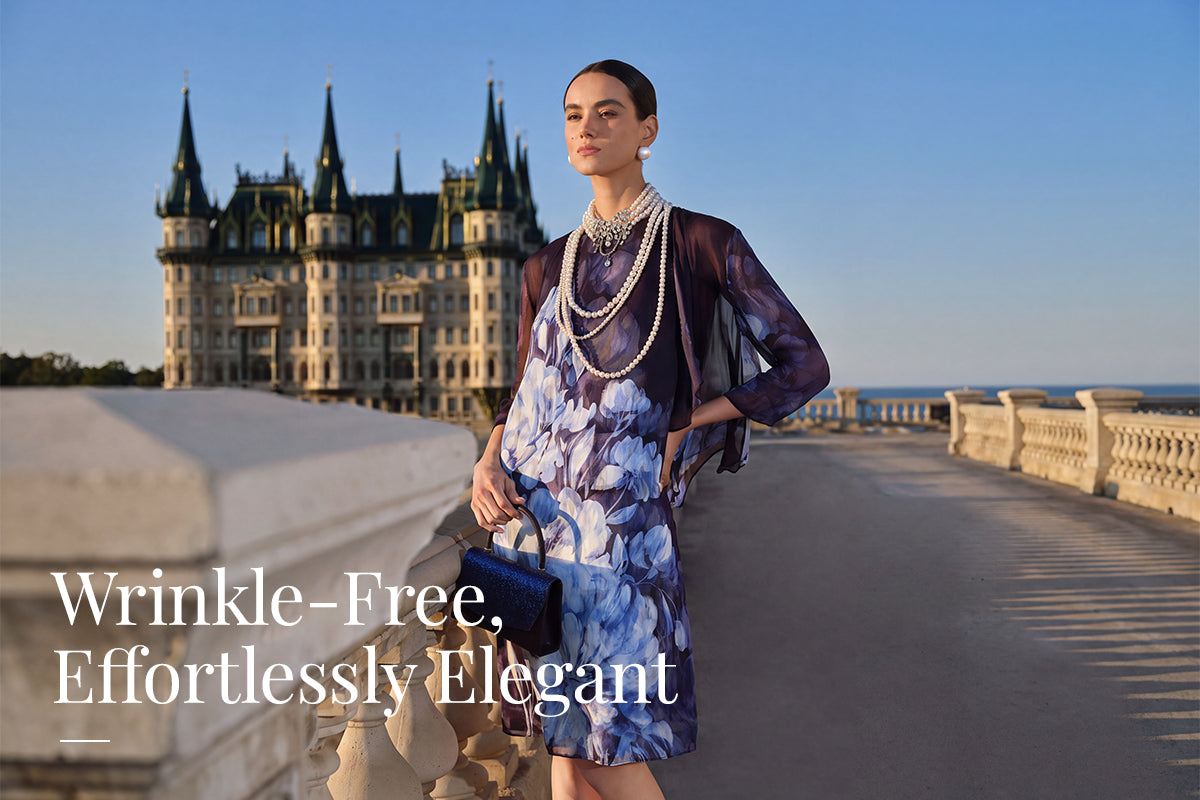
Outdoor formal events require both elegance and practicality. Choose breathable materials, secure straps, and a hem that will not constantly catch the wind or drag across grass.
Midi, high-low, and ankle-length dresses are often easier to manage than gowns with long trains. If you prefer chiffon, look for a lined design with sufficient weight. Pleats and soft A-line skirts create movement while remaining easier to control than extremely full skirts.
A natural-fiber blend can also work for warm-weather celebrations when the construction remains refined. Avoid very thin unlined fabric, which may become transparent in direct sunlight.
Choose a Designer Dress for Your Budget

A useful formal-dress budget includes more than the advertised price. Add potential taxes, shipping, return postage, alterations, professional cleaning, shoes, and any required undergarments.
|
Dress budget |
What to prioritize |
Best strategy |
Watch for |
|
Under $200 |
Fabric and overall fit |
Final-sale and seasonal reductions |
Restricted returns |
|
$200–$300 |
Versatility and distinctive detail |
Midi and cocktail dresses |
Fragile surface decoration |
|
$300–$500 |
Craftsmanship and premium finishing |
Embroidery, beadwork, formal gowns |
Higher cleaning costs |
Prices and availability may change, so confirm the current product page before ordering.
Under $200: Final-Sale Designer Dresses
The under-$200 range often delivers the strongest savings when previous-season or limited-size pieces receive final reductions. The trade-off is that returns may be restricted.
TheFinal Sale Tencel-Linen Printed Bow Dress is listed in the wedding-season sale selection at $199.50 at the time of writing. Its printed design and bow detail make it more distinctive than a basic dress, while the Tencel-linen composition is suited to warm-weather occasions.
Before buying any final-sale garment:
- Compare your body measurements with the size chart.
- Confirm whether “final sale” permits exchanges or store credit.
- Check the fabric composition and care requirements.
- Make sure the color and print suit at least two future occasions.
- Include possible tailoring in the real purchase price.
$200–$300: Detailed and Versatile Formal Dresses
This range is a practical middle ground for shoppers who want memorable detail without entering full evening-gown pricing. Look for craftsmanship concentrated in visible areas such as the neckline, bodice, or skirt rather than decoration added without a clear design purpose.
TheLimited Handcrafted 3D Beaded Floral Dress, listed at $239 at the time of writing, combines a classic black base with dimensional floral embellishment. The contrast gives it a clear focal point, making it suitable for cocktail parties, celebrations, and evening receptions.
Because the design is already expressive, it needs few accessories. Simple heels and small earrings can complete the outfit, reducing the amount you must spend elsewhere.
$300–$500: Premium Embroidery and Evening Dresses
Between $300 and $500, expect more developed embroidery, hand-applied details, stronger lining, or a more formal silhouette. The price is justified only when the details are secure and the dress suits more than one event.
TheHand-Beaded Floral Embroidered Dress, priced at $339 at the time of writing, features botanical embroidery, hand-finished beaded neckline accents, a lining, and a fitted long silhouette. Its medium-weight construction also makes it less seasonally limited than a very light summer dress.
A design like this can serve as a wedding guest dress, special-dinner look, vacation occasion dress, or refined celebration outfit. That versatility improves its cost per wear.
Select a Silhouette That Minimizes Alterations
Alterations can turn an apparent bargain into an expensive purchase. The least costly dress is usually one that fits the shoulders, bust, and waist before tailoring.
Adjustable Fits: Wrap and Empire-Waist Dresses
Wrap dresses allow some control over the waist and bust, making them useful when measurements fall between standard sizes. Empire-waist dresses fit beneath the bust and skim the midsection, reducing the need for precise waist tailoring.
However, confirm that a wrap neckline remains secure when sitting and moving. A hidden snap or small modesty panel may be a simple, inexpensive improvement.
Balanced Shapes: A-Line and Fit-and-Flare Dresses
A-line and fit-and-flare silhouettes are among the safest online purchases because they require less exact fitting through the hips and thighs. They also balance the shoulders and waist, creating a clear shape without feeling restrictive.
Prioritize a bodice that fits correctly. Taking in a side seam may be manageable, but reconstructing shoulders, armholes, or a heavily embroidered bust can be costly.
Streamlined Fits: Column and Sheath Dresses
Column and sheath dresses create a sleek formal line, but they require more precise measurements. Check the bust, waist, hips, and garment length rather than buying according to your usual size alone.
The fabric matters too. A fitted non-stretch dress needs enough ease for sitting and walking. If the product description identifies the fabric as structured or non-stretch, size according to the largest relevant measurement.
Petite and Tall Dress Proportions
Petite shoppers should examine where the waist, neckline, and skirt details fall—not just the hem length. Shortening a plain hem is relatively simple; shortening an embroidered border or moving a waist seam is not.
Tall shoppers should confirm the shoulder-to-waist and shoulder-to-hem measurements. A gown that is technically long enough may still look incorrectly proportioned if the waist sits too high. This guide topetite formal dresses provides additional proportion-focused advice.
Identify Genuine Quality and Long-Term Value

Quality is visible in how a dress behaves, not merely in its label. A strong formal dress should hang evenly, remain comfortable, and survive repeated wear with appropriate care.
Linings, Seams, Zippers, and Hems
Inspect the dress—or enlarge the product photographs—and check:
- The lining covers areas that would otherwise be transparent or irritating.
- Seams lie flat without puckering.
- The zipper runs smoothly and is securely installed.
- Patterned panels align where reasonably possible.
- The hem is even and suitable for alteration.
- Loose threads do not appear around stress points.
A lining should support the outer fabric without pulling it. For fitted dresses, a small amount of elastane in the lining may improve comfort.
Fabric Weight, Drape, and Comfort
High quality does not always mean heavy fabric. It means the weight is appropriate for the design. Chiffon should move without looking limp, satin should drape without excessive pulling, and structured crepe should maintain a clean outline.
Read composition and fit notes carefully. A medium-weight fabric may offer greater year-round use, while a non-stretch textile requires more accurate sizing. If possible, test whether the dress permits sitting, raising your arms, and taking a full step.
Quality Beading, Lace, and Embroidery
Good embellishment follows the garment’s shape instead of distorting it. Beads should be evenly distributed and firmly attached; embroidery should not produce severe puckering; lace motifs should look intentionally placed.
Check whether embellishment continues across visible areas and whether replacement beads are included. For long-term storage, avoid hanging a very heavy beaded dress by narrow shoulder straps because the weight may stretch the garment.
Versatile Colors and Cost Per Wear
Versatile does not have to mean black. Deep green, navy, burgundy, metallic neutrals, and sophisticated floral patterns can work across seasons.
Use this simple calculation:
Cost per wear = total ownership cost ÷ expected number of wears
A $339 dress worn six times costs $56.50 per wear before cleaning. A $160 dress worn once costs $160 per wear. The higher initial price can therefore represent better value when the garment is comfortable, adaptable, and durable.
Cleaning, Repair, and Alteration Costs
Check the care label before buying. Beaded, lace, velvet, and structured dresses may require specialist cleaning. Ask a local tailor or cleaner for an estimate when the design is unusually complex.
Include these potential costs:
- Hemming or strap adjustment
- Bodice alterations
- Professional pressing
- Specialist cleaning
- Reattaching beads or appliqués
- Appropriate storage
These expenses do not automatically make a dress poor value, but they should be part of the decision—not an unwelcome surprise after purchase.
Conclusion
The best budget-friendly designer dress is the one that fits the event, suits your proportions, demonstrates genuine construction quality, and can be worn again. Begin with the dress code, choose a low-alteration silhouette, and judge fabric and finishing more carefully than the label.
Sale shopping can produce excellent value, but only when sizing and return restrictions are understood. For a broader starting point, compare formal options in theEvent-Ready to Wear collection and use theRICHRADIQS style journal to plan outfits for specific occasions.


Leave a comment
This site is protected by hCaptcha and the hCaptcha Privacy Policy and Terms of Service apply.