

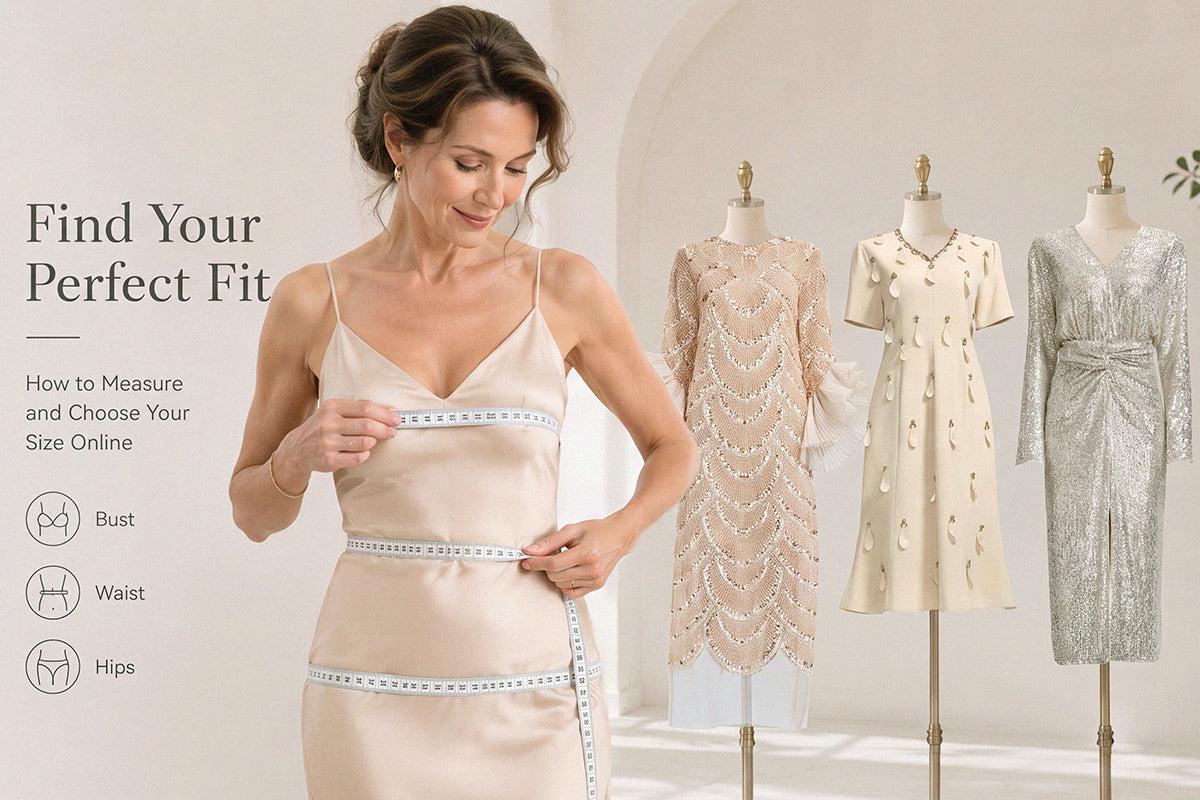
جداول مقاسات الملابس ودليل المقاسات لفساتين النساء
مقاسات فساتين النساء ليست عالمية، لذا فإن الطريقة الأكثر موثوقية لاختيار المقاس هي قياس محيط الصدر، والخصر الطبيعي، والوركين، وطول الفستان المطلوب، ثم مقارنة هذه الأرقام بجدول المقاسات الخاص بالمنتج. تعامل مع جداول المقاسات الأمريكية الرقمية والحرفية كنقاط بداية فقط لأن المقاسات يمكن أن تختلف بشكل كبير بين العلامات التجارية والأقمشة والتصاميم.
بالنسبة للفستان الضيق وغير القابل للتمدد، أعطِ الأولوية لأكبر قياس للجسم يتعلق بالتصميم. أما بالنسبة للفستان الفضفاض أو القابل للتمدد بشكل كبير، اقرأ ملاحظات الملاءمة وقياسات الملابس قبل زيادة المقاس تلقائيًا. إذا قدم بائع التجزئة قياسات الجسم وقياسات المنتج النهائي، حدد أي مجموعة تقرأ: فهما ليستا قابلتين للتبديل.
استخدم عملية تحديد المقاس المكونة من خمس خطوات:
- قس نفسك وأنت ترتدي ملابس ضيقة أو ملابس داخلية.
- سجل قياسات الصدر، والخصر الطبيعي، والوركين، والطول المطلوب.
- افتح جدول المقاسات الخاص بالفستان المحدد - وليس فقط جدول العلامة التجارية العام.
- ضع في اعتبارك تمدد القماش والبطانة والتصميم المقصود.
- اختر المقاس الذي يناسب المنطقة الأقل مرونة أو الأكبر ذات الصلة.
فهم مقاسات فساتين النساء الأمريكية القياسية
عادةً ما تجمع مقاسات الفساتين الأمريكية بين المقاسات الرقمية، مثل 0، 2، 4، أو 12، مع مقاسات الحروف مثل XS، S، M، و L. ومع ذلك، لا يوجد جدول بيع بالتجزئة واحد تتبعه كل علامة تجارية للأزياء بشكل متطابق.
الجدول أدناه هو مرجع تقريبي، وليس ضمانًا للشراء:
|
المقاس الأمريكي التقريبي |
مقاس الحرف |
الصدر |
الخصر |
الوركين |
|
00 |
XXS |
31–32 بوصة |
23–24 بوصة |
33–34 بوصة |
|
0–2 |
XS |
32–33.5 بوصة |
24–25.5 بوصة |
34–35.5 بوصة |
|
4–6 |
S |
34–35.5 بوصة |
26–27.5 بوصة |
36–37.5 بوصة |
|
8–10 |
M |
36–37.5 بوصة |
28–29.5 بوصة |
38–39.5 بوصة |
|
12–14 |
L |
38–40.5 بوصة |
30–33 بوصة |
40–43 بوصة |
|
16–18 |
XL |
41–44 بوصة |
34–37 بوصة |
44–47 بوصة |
|
20–22 |
XXL |
45–48 بوصة |
38–41 بوصة |
48–51 بوصة |
لتحويل البوصات إلى سنتيمترات، اضرب في 2.54. ولتحويل السنتيمترات إلى بوصات، اقسم على 2.54.
المقاسات الرقمية الأمريكية من 00 إلى المقاسات الكبيرة
تبدأ مقاسات الفساتين الرقمية الأمريكية عادةً من 00 أو 0. وقد تستمر النطاقات القياسية حتى المقاس 14 أو 16، وبعد ذلك قد يستخدم بائع التجزئة مقاسات رقمية مباشرة، أو مقاسات كبيرة مثل 16W و 18W، أو مقاسات حروف مثل XL و XXL.
المقاس "W" ليس دائمًا مطابقًا للرقم نفسه بدون "W". قد توفر أنماط المقاسات الكبيرة نسبًا مختلفة عبر الصدر والخصر والوركين وحفرة الذراعين والذراعين العلويين.
على سبيل المثال:
- قد يتم تدرج المقاس العادي 16 تصاعديًا من نمط ذو مقاس مستقيم.
- قد يتم تطوير 16W من نمط مخصص للمقاسات الكبيرة.
- قد تقدم العلامة التجارية كلاهما، أحدهما، أو لا تقدم أيًا منهما.
- قد يمثل الرقم نفسه قياسات مختلفة في متاجر مختلفة.
لا تحول تلقائيًا بين 16 و 16W دون التحقق من الجدول. انتبه بشكل خاص إلى الفرق بين الخصر والوركين وقياسات الذراع العلوي عندما تكون الأكمام ضيقة.
مقاسات الحروف من XXS إلى XXL
تجمع مقاسات الحروف عدة مقاسات رقمية معًا. وهذا يجعل التسوق أبسط ولكنه يقلل من الدقة.
|
مقاس الحرف |
المكافئ الرقمي الشائع |
|
XXS |
00 |
|
XS |
0–2 |
|
S |
4–6 |
|
M |
8–10 |
|
L |
12–14 |
|
XL |
16–18 |
|
XXL |
20–22 |
تختلف هذه المكافئات. قد تحدد العلامة التجارية مقاس متوسط كـ 6-8، 8-10، أو نطاق آخر. "مقاس واحد" أقل توحيدًا ويجب أن يتضمن دائمًا نطاق ملاءمة محددًا أو قياسات للملابس.
يعمل تحديد المقاس بالحروف بسهولة أكبر لفساتين اللف، والتصاميم الفضفاضة، والأنماط ذات الخصر المرن، والتطريزات المطاطية. وهو أقل موثوقية للفساتين الضيقة غير القابلة للتمدد، وصدور الفساتين المدعمة، والتصاميم الضيقة المصممة خصيصًا.
الاختلافات بين مقاسات الصغير، العادي، والطويل
تعتمد مقاسات الصغير، العادي، والطويل على النسب العمودية، وليس فقط وزن الجسم أو مقاس الملابس.
|
فئة المقاس |
التعديل النموذجي للتصميم |
|
صغير (Petite) |
جذع أقصر، أكمام أقصر، ارتفاع أقصر، وطول إجمالي أقصر |
|
عادي (Regular) |
نسب أنماط عمودية قياسية |
|
طويل (Tall) |
جذع أطول، أكمام أطول، ارتفاع أطول، وطول إجمالي أطول |
عادةً ما يتم تصميم ملابس الصغار للأطوال التي تقل عن 5 أقدام و 4 بوصات تقريبًا، بينما تبدأ نطاقات الطوال غالبًا بالقرب من 5 أقدام و 9 بوصات. قد تستخدم العلامات التجارية الفردية تعريفات مختلفة.
قد تحتاج المرأة ذات القامة القصيرة إلى أكثر من مجرد حاشية أقصر. قد تحتاج منطقة الخصر، وفتحات الصدر، وفتحات الذراعين، وتفاصيل التنورة إلى أن تكون أعلى. وبالمثل، قد تجد المرأة الطويلة أن الفستان العادي طويل بما يكفي عند الحاشية ولكنه قصير جدًا بين الكتف والخصر الطبيعي.
عندما لا تتوفر مقاسات الصغار أو الطوال، قارن هذه القياسات:
- من الكتف إلى الصدر
- من الكتف إلى الخصر الطبيعي
- طول الكم
- من الكتف إلى الحاشية
- من الخصر إلى الحاشية
- موضع الكشكشة، التطريز، أو طبقات التنورة
يقدم دليل Rich Radiqs لـ فساتين السهرة الصغيرة نصائح إضافية حول الطول والنسب.
لماذا يمكن أن يختلف نفس المقاس الأمريكي حسب العلامة التجارية
يمكن أن يختلف مقاس 8 الأمريكي بين علامتين تجاريتين لأن كل شركة تطور نمطها الأساسي الخاص بها، وعميلها المستهدف، وقواعد التدرج، والمقاس المقصود.
يمكن أن ينتج الاختلاف عن:
- عارضات أزياء مختلفة
- مقاسات التفاخر (Vanity sizing)
- تحويلات خاصة بالبلد
- قوالب الأنماط ذات المقاسات المستقيمة مقابل المقاسات الكبيرة
- تمدد القماش
- سهولة الملابس
- البطانة والهيكل الداخلي
- تصميم فضفاض أو ضيق على الجسم
- تفاوتات التصنيع
- التغيرات بين المجموعات
حتى داخل علامة تجارية واحدة، قد يختلف مقاس فستانين يحملان علامة "متوسط" إذا كان أحدهما نمطًا مطويًا فضفاضًا والآخر فستانًا ضيقًا مبطنًا.
تخبرك علامة المقاس بالنمط المستخدم. لكنها لا تخبرك بالضبط كيف ستناسب القطعة النهائية جسمك.
كيفية قياس الصدر، الخصر، الوركين، وطول الفستان بشكل صحيح

يجب أخذ القياسات الدقيقة باستخدام شريط قياس مرن للخياطة. يجب أن يظل الشريط موازيًا للأرض وقريبًا من الجسم دون ضغطه.
للحصول على أفضل نتيجة، اطلب من شخص آخر المساعدة. قف بشكل طبيعي وارتدِ الملابس الداخلية التي تتوقع ارتدائها تحت الفستان.
|
القياس |
مكان القياس |
موضع الشريط |
|
الصدر |
أكثف جزء من الصدر |
مستوٍ عبر الظهر |
|
الخصر الطبيعي |
أنحف جزء من الجذع |
ملتصق لكن غير ضيق |
|
الوركين |
أكثف جزء من الوركين والمؤخرة |
موازٍ للأرض |
|
طول الفستان |
نقطة البداية المحددة حتى الحاشية |
مباشرة إلى الأسفل على الجسم |
قياس حول الجزء الأكثر امتلاءً من الصدر
لف شريط القياس حول الجزء الأكثر امتلاءً من الصدر، تحت الذراعين، وعبر لوحي الكتف. حافظ على ذراعيك مرتخيتين بجانبك.
يجب أن يظل الشريط مستويًا. إذا ارتفع في الخلف، فقد يكون القياس المسجل أصغر من اللازم. لا تقم بالقياس فوق حمالة صدر مبطنة بكثافة إلا إذا كنت تخطط لارتداء تلك الحمالة مع الفستان.
بالنسبة للفساتين الضيقة، ضع في اعتبارك أيضًا:
- قياس تحت الصدر
- حجم كوب حمالة الصدر
- طول الصدر الأمامي
- عرض الكتف
- تغطية خط العنق وحفرة الذراع
يمكن لشخصين أن يشتركا في نفس قياس الصدر الكامل ولكن يحتاجان إلى مقاسات مختلفة بسبب حجم الكوب أو توزيع الصدر من الأمام إلى الخلف.
تحديد وقياس محيط الخصر الطبيعي
عادةً ما يكون الخصر الطبيعي هو أضيق نقطة بين الأضلاع والوركين. وليس بالضرورة هو المكان الذي تستقر فيه البناطيل ذات الخصر المنخفض أو المتوسط.
للعثور عليه، انحنِ برفق إلى جانب واحد. النقطة التي يتجعد فيها الجسم هي عادةً الخصر الطبيعي. لف الشريط حول تلك المنطقة أثناء الوقوف بشكل طبيعي.
لا تحبس أنفاسك أو تشد الشريط بقوة. يتطلب الفستان مساحة كافية للجلوس والأكل والتنفس بشكل مريح.
إذا كان للقطعة خصر إمبراطوري، أو خصر منخفض، أو لوحة مرنة، فقد لا يكون خصرها التصميمي عند خصرك الطبيعي. استشر صورة المنتج وقياسات الملابس.
قياس حول الجزء الأكثر امتلاءً من الوركين
قف مع قدميك متلاصقتين وقس حول الجزء الأكثر امتلاءً من الوركين والمؤخرة. تقع هذه النقطة غالبًا على بعد 7-9 بوصات تقريبًا أسفل الخصر الطبيعي، ولكنها تختلف حسب شكل الجسم.
تحقق من الشريط في المرآة للتأكد من أنه يظل موازيًا للأرض. إذا كان الشريط يميل إلى الأعلى، فقد يكون القياس غير دقيق.
أهمية قياس الوركين تكون أكبر في:
- فساتين الـ sheath (الضيقة)
- فساتين العمود (Column dresses)
- فساتين حورية البحر (Mermaid gowns)
- التصاميم الضيقة (Pencil silhouettes)
- ملابس داخلية غير قابلة للتمدد (Non-stretch slips)
- فساتين ذات بطانات ضيقة
أهميتها أقل للتنانير التي تتسع مباشرة من الخصر، على الرغم من أن البطانة قد تحتاج إلى مساحة كافية للوركين.
قياس طول الفستان من نقطة البداية الصحيحة
يمكن أن يشير "طول الفستان" إلى عدة قياسات مختلفة. لا تفترض أبدًا من أين يبدأ البائع.
تشمل نقاط البداية الشائعة:
- من نقطة الكتف العالية إلى الحاشية
- من خط العنق في منتصف الظهر إلى الحاشية
- من خط العنق في منتصف الأمام إلى الحاشية
- من الخصر الطبيعي إلى الحاشية
- من تحت الإبط إلى الحاشية
يبدأ طول نقطة الكتف العالية عادةً حيث يلتقي الكتف بالرقبة ويستمر عموديًا إلى الحاشية. هذا أحد أهم القياسات لفستان كامل.
لتقدير الموضع النهائي، امسك الشريط عند نقطة البداية المحددة أثناء ارتداء أحذية بالكعب المقصود. بالنسبة لفستان السهرة، ضع في اعتبارك المسافة عن الأرض وما إذا كانت الحاشية ستُلبس مع الكعب.
تجنب أخطاء قياس الجسم الشائعة
من السهل تجنب الأخطاء الأكثر شيوعًا:
- القياس فوق الملابس السميكة
- شد الشريط بقوة مفرطة
- ترك الشريط يميل
- قياس فستان موجود بدلاً من الجسم دون ملاحظة الفرق
- حبس البطن للداخل
- استخدام قياس قديم
- الخلط بين الخصر الطبيعي وخصر البنطلون
- قياس جانب واحد فقط والمضاعفة بشكل غير دقيق
- تجاهل حمالة الصدر أو ملابس التشكيل المقصودة
- الخلط بين البوصات والسنتيمترات
أعد أخذ كل قياس مرتين. إذا اختلفت النتائج، قم بالقياس مرة أخرى بدلاً من أخذ المتوسط على الفور.
كيفية مقارنة مقاسات فساتين Rich Radiqs بالمقاسات الأمريكية القياسية

يجب تقييم مقاسات فساتين Rich Radiqs على مستوى المنتج. يشمل الموقع مقاسات قياسية مثل XS حتى XXL، ومقاسات ممتدة لمنتجات مختارة، وخيارات مقاس واحد لبعض التصاميم الفضفاضة أو ذات التمدد العالي.
نظرًا لأن الفساتين تستخدم أقمشة وطرق بناء مختلفة، يجب ألا يفترض المتسوقون أن مقاسًا واحدًا من Rich Radiqs سيناسب جميع المنتجات بشكل متطابق.
لماذا تستخدم Rich Radiqs جداول مقاسات خاصة بالمنتج
تعد معلومات المنتج المحددة ضرورية لأن الفساتين يمكن أن تختلف في:
- مستوى التمدد
- فئة الطول
- وزن القماش
- المقاس المقصود
- البطانة
- هيكل الكتف
- موضع الخصر
- موضع التطريز أو الخرز
- نطاق المقاسات المتاح
على سبيل المثال، يوصف فستان حمالة السباغيتي الزهري ثلاثي الأبعاد بأنه غير قابل للتمدد، طويل، بوزن متوسط، وذو مقاس عادي. لذا، يجب على المتسوق اختيار مقاس يناسب الصدر والخصر والوركين دون الاعتماد على تمدد القماش.
وعلى النقيض من ذلك، فإن فستان الرقبة المستديرة ذو الأكمام الجرسية المطوية مدرج على أنه ذو تمدد عالٍ، مع شكل H-line عادي ومريح، ونطاق مقاس واحد. منطق تحديد مقاسه يختلف عن فستان منظم غير قابل للتمدد.
قراءة قياسات الملابس بدلاً من الاعتماد على ملصقات المقاسات
يصف قياس الملابس القطعة النهائية. بينما يصف قياس الجسم الشخص الذي يرتديها. عادةً ما يجب أن تكون القطعة أكبر من الجسم في بعض المناطق على الأقل لتوفير سهولة في الارتداء.
على سبيل المثال، إذا كان صدرك 36 بوصة، فقد يحتاج الفستان الضيق غير القابل للتمدد إلى قياس صدر نهائي أكبر من 36 بوصة. يعتمد الفرق الضروري على التصميم، والقماش، والبطانة، والمقاس المقصود.
عندما يسرد الجدول قياسات الملابس:
- قارنها بفستان مشابه تمتلكه بالفعل.
- استخدم طريقة القياس نفسها المذكورة من قبل بائع التجزئة.
- ضع في اعتبارك ما إذا كانت القطعة قد قُيست وهي مسطحة.
- تأكد مما إذا كان يجب مضاعفة العروض.
- لا تطرح التمدد إلا إذا طلبت العلامة التجارية منك ذلك.
الصدر المسطح بقياس 19 بوصة يمثل عمومًا محيطًا تقريبيًا يبلغ 38 بوصة، ولكن بناء الدرزات وموضع القياس يمكن أن يؤثرا على النتيجة.
قارن قياسات المنتج بقياسات جسمك
استخدم جدول مقارنة بسيط قبل الاختيار:
|
الخطوة |
الإجراء |
|
1 |
سجل قياسات الجسم الحالية |
|
2 |
حدد ما إذا كان الجدول يسرد قياسات الجسم أو الملابس |
|
3 |
ابحث عن المقاسات التي تناسب الصدر والخصر والوركين |
|
4 |
أعطِ الأولوية للقياس الأكثر أهمية للتصميم |
|
5 |
التحقق من الطول، والتمدد، وملاحظات الملاءمة |
|
6 |
مراجعة قياسات العارضة لسياق النسبة |
|
7 |
تأكيد نافذة الإرجاع أو الاستبدال |
تُعد معلومات العارضة مفيدة ولكن لا ينبغي أن تحل محل جدول المقاسات. يساعد طول العارضة، وحجم الصدر، ومحيط الخصر، وحجم الوركين، والمقاس المختار في توضيح كيفية سقوط الفستان.
فستان "Hand-Beaded Long-Sleeve Navy Dress" المزود بتطريز يدوي على سبيل المثال، يُوصف بأنه تصميم غير قابل للتمدد، وذو وزن ثقيل، ومناسب. توفر صفحة المنتج الخاصة به أيضًا قياسات العارضة. تشير هذه التفاصيل إلى أن الدقة في منطقة الجذع والأكمام أكثر أهمية مما هو عليه في الفساتين الفضفاضة.
مراعاة اختلافات التمدد، والملاءمة، والقصة
تميّز صفحات منتجات "ريتش راديكس" عادةً بين الأقمشة غير القابلة للتمدد، والقابلة للتمدد قليلاً، والمتوسطة التمدد، وعالية التمدد. كما تصف القصات باستخدام مصطلحات مثل ضيق، ومناسب، وعادي، ومريح، أو فضفاض.
|
وصف المنتج |
ماذا يعني ذلك بشكل عام للمقاس |
|
غير قابل للتمدد |
اختر أكبر قياس مناسب |
|
تمدد خفيف |
يسمح بحركة محدودة، وليس تقليلًا كاملًا للمقاس |
|
تمدد متوسط |
يوفر مرونة معتدلة |
|
تمدد عالي |
يمكن أن يستوعب نطاقًا أوسع من القياسات |
|
قصة ضيقة |
يتبع الجسم عن كثب |
|
قصة مناسبة |
مصمم ليناسب الشكل ولكنه يسمح بالحركة |
|
قصة عادية |
راحة متوازنة |
|
قصة فضفاضة |
مساحة أكبر في الجسم |
|
قصة على شكل حرف H |
يسقط بشكل مستقيم نسبيًا من الجزء العلوي من الجسم |
|
قصة على شكل حرف A |
أكثر تسامحًا عند الوركين |
|
قصة حورية البحر |
يتطلب قياسًا دقيقًا للصدر والخصر والوركين |
لا تقلل المقاس فقط لأن القماش يتمدد. قد يكون الثوب المبطن أقل تمددًا من طبقته الخارجية، وقد تحد التطريزات أو الترتر من التمدد.
وبالمثل، لا تزيد المقاس تلقائيًا في كل فستان غير قابل للتمدد. قد يتضمن النمط الفضفاض غير القابل للتمدد راحة كبيرة بالفعل. اقرأ وصف التمدد والملاءمة معًا.
الخاتمة
تعتبر جداول مقاسات ملابس النساء مرجعًا مفيدًا، ولكن ملصقات المقاس وحدها لا يمكن أن تضمن ملاءمة موثوقة للفستان. قيسي محيط الصدر، والخصر الطبيعي، والوركين، والطول المطلوب، ثم قارني تلك الأرقام بالجدول الخاص بالمنتج المحدد.
تذكري أن الفئات الصغيرة (petite) والعادية (regular) والطويلة (tall) تعدّل النسب العمودية، بينما تختلف المقاسات الرقمية والحرفية بين العلامات التجارية. حددي دائمًا ما إذا كان الجدول يقدم قياسات الجسم أو قياسات الثوب النهائي.
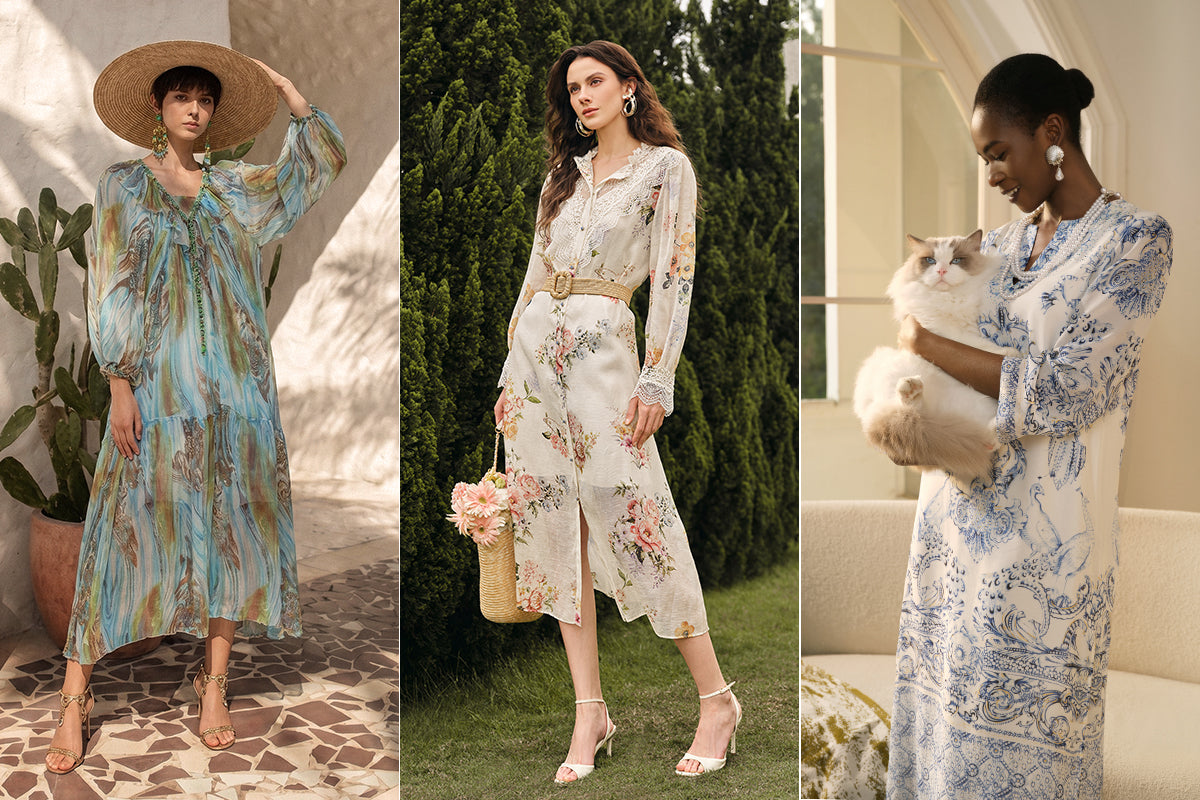
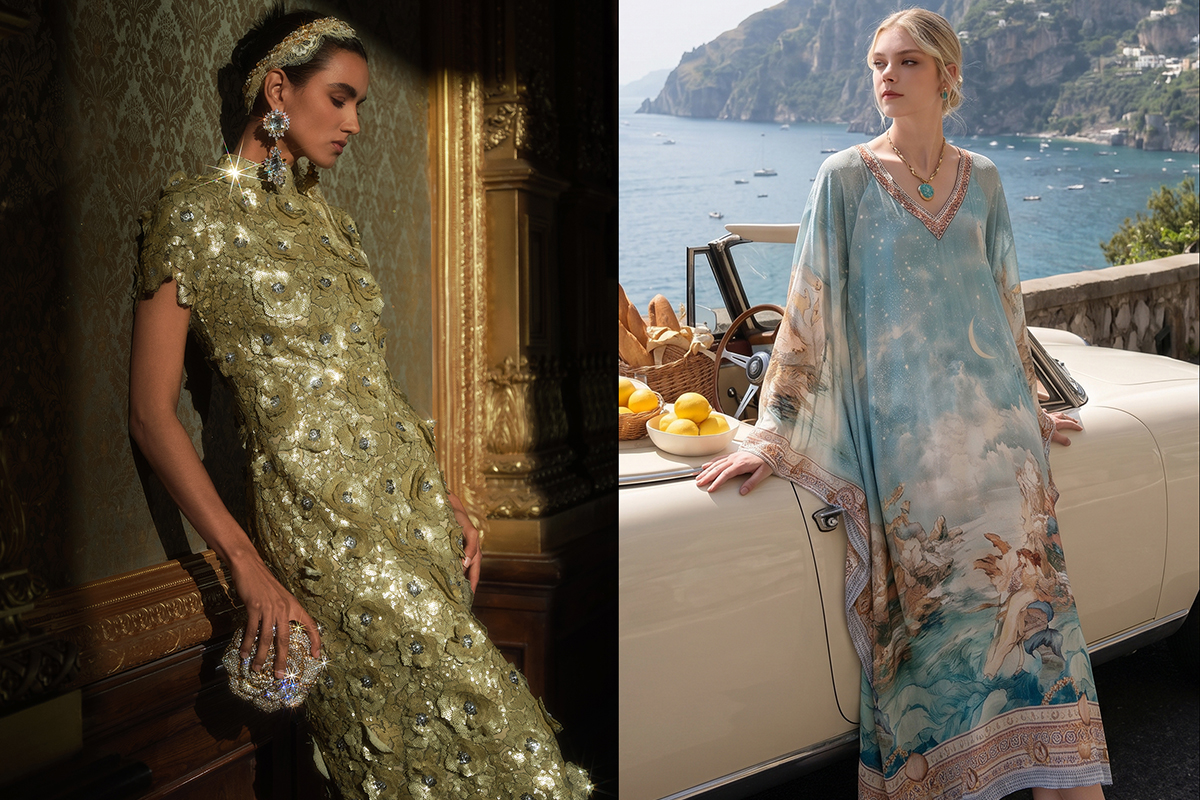
لفساتين Rich Radiqs، راجعي جدول المقاسات الخاص بالمنتج بالإضافة إلى معلومات التمدد، والطول، ووزن القماش، والملاءمة، والقصة، ومعلومات العارضة. توفرمجموعة فساتين Rich Radiqs فلاتر للمقاسات المتاحة، بينما تحتوي صفحات المنتجات الفردية على التفاصيل اللازمة لاتخاذ الاختيار النهائي.


اترك تعليقًا
This site is protected by hCaptcha and the hCaptcha Privacy Policy and Terms of Service apply.