

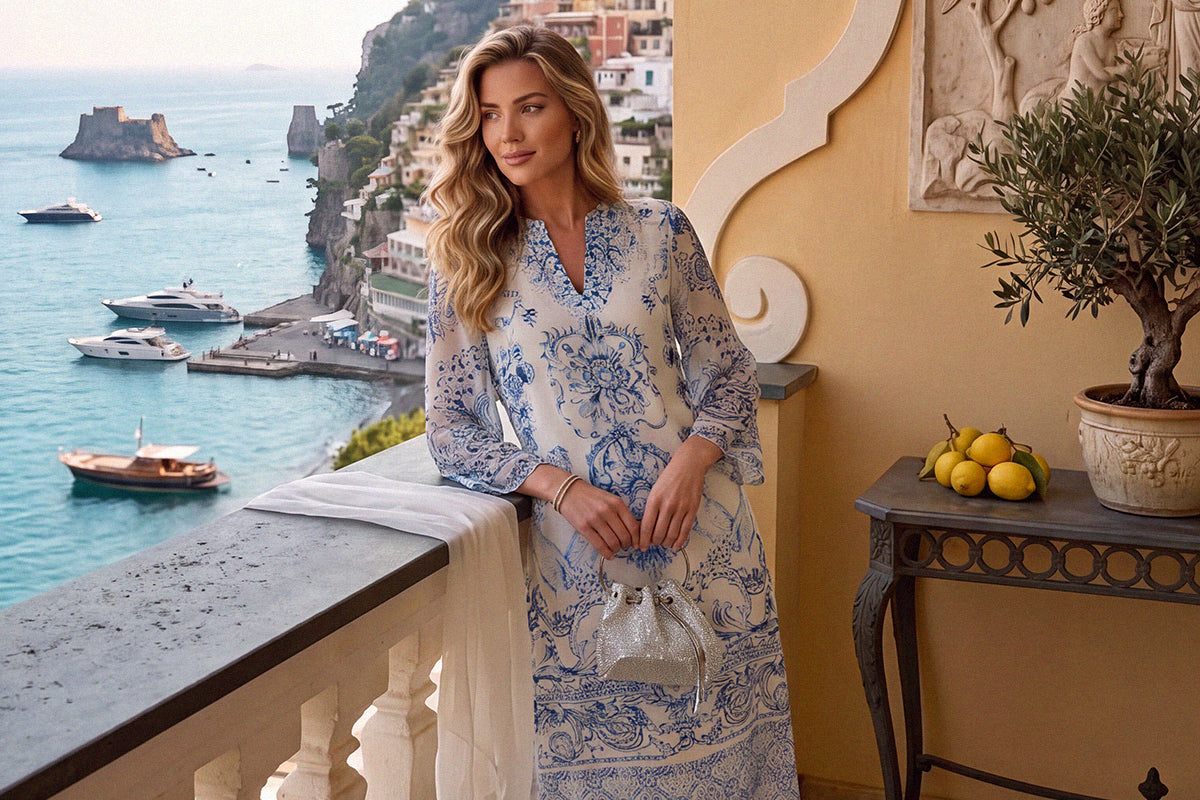
فساتين زفاف للنزيلات فوق الخمسين
غالبًا ما يعني اختيار فستان لحضور حفل زفاف بعد سن الخمسين الموازنة بين قواعد اللباس والراحة والتغطية والمكان. يجب أن تبدو الإطلالة أنيقة للمراسم، ومريحة أثناء حفل الاستقبال، ومناسبة للمكان والوقت من اليوم.
أفضل فساتين ضيوف الزفاف للنساء فوق سن الخمسين هي التصميمات التي تناسب طابع الاحتفال الرسمي، ومكانه، وجدوله الزمني. اعتمادًا على المناسبة، قد يعني ذلك فستان كوكتيل أنيق، أو تصميم بطول الشاي، أو فستان طويل يصل إلى الأرض، أو فستان بتطريز، أو أكمام، أو زخرفة بسيطة. يشرح هذا الدليل كيفية مقارنة أطوال الفساتين والأقمشة والقصات وخيارات التغطية.
ما يجب مراعاته قبل اختيار فستان لحضور حفل زفاف
قد يبدو الفستان مثاليًا في الصور ولكنه لا يزال يبدو خاطئًا بمجرد أن تأخذ في الاعتبار المكان والجدول الزمني وساعات الارتداء. قبل اختيار التصميم، تحقق من الدعوة بعناية وفكر في اليوم بأكمله بدلاً من التركيز فقط على اللون أو القصة.
اقرأ قواعد اللباس قبل اختيار الطول والقماش
يجب أن توجه قواعد اللباس الطول المناسب، والقماش، ومستوى التفاصيل. غالبًا ما تناسب حفلات الزفاف ذات طابع الكوكتيل وشبه الرسمية الفساتين التي تصل إلى الركبة أو الميدي المصنوعة من الكريب، أو الشيفون، أو الدانتيل، أو الساتان. قد تسمح حفلات الزفاف الرسمية بفستان ميدي راقٍ أو فستان سهرة، بينما يظل الفستان الطويل خيارًا تقليديًا أكثر للمناسبات التي تتطلب ربطة عنق سوداء.
خذ في الاعتبار وقت الحفل وجدول الاستقبال
غالبًا ما يناسب الحفل النهاري الأقمشة الأكثر نعومة، والطبعات الراقية، والألوان التي تبدو مناسبة للموسم والمكان. يمكن أن تستوعب حفلات الاستقبال المسائية أقمشة أغنى، ودرجات ألوان أعمق، أو تطريزًا بسيطًا.
تحقق أيضًا مما إذا كانت هناك فجوة طويلة بين الحفل والاستقبال أو ما إذا كان الاحتفال ينتقل بين الأماكن الداخلية والخارجية. يمكن أن يجعل الطبقة القابلة للإزالة والأحذية التي تظل مريحة لعدة ساعات الإطلالة أسهل في التعامل.
امنح الأولوية للراحة عند الجلوس والمشي والرقص
جربي الفستان أثناء الجلوس وارفعي ذراعيك للتحقق من الصدر والخصر والأكمام. يجب أن يسمح التنورة بحركة سهلة، ويجب أن يظل خط العنق آمنًا دون تعديل مستمر. تهم الراحة بشكل خاص عندما تستمر المراسم والاستقبال لعدة ساعات.
تحقق من التغطية والملابس الداخلية واحتياجات التعديل
فكري في حمالة الصدر، أو ملابس التشكيل، أو التنورة الداخلية التي قد يتطلبها الفستان قبل اتخاذ قرار نهائي. يمكن أن تؤثر اللوحات الشفافة، والظهور المنخفضة، والأكمام الضيقة، والفتحات العالية على كل من الراحة والتغطية. اتركي وقتًا كافيًا للثني، أو تعديلات الأشرطة، أو تعديلات الخصر حتى يناسب الفستان النهائي بشكل صحيح مع أحذيتك وملابسك الداخلية المختارة.
أفضل فساتين ضيوف الزفاف للنساء فوق سن الخمسين

يعتمد أفضل نمط على قواعد اللباس والمكان والموسم ومقدار الهيكل أو التغطية التي تفضلينها. اختاري القصة وفقًا للمقاس والحركة التي تحتاجينها، ثم فكري في القماش والأكمام والطبقات للمناسبة.
|
نمط الفستان |
الأفضل لـ |
تفاصيل رئيسية يجب التحقق منها |
|
فستان بطول الشاي |
حفلات الزفاف النهارية والمستوحاة من الطراز القديم |
تحققي من مكان سقوط حاشية منتصف الساق مع حذائك |
|
فستان طويل |
المناسبات الرسمية ومناسبات ربطة العنق السوداء |
يجب أن تلامس الحاشية الأرض مع حذائك المختار |
|
فستان بطول الشاي |
حفلات الزفاف النهارية التقليدية |
يجب أن يسمح حجم التنورة بحركة سهلة |
|
فستان بتصميم درابيه |
الضيوف الذين يفضلون قصة ناعمة |
يجب أن يكون الدرابيه أملسًا بدلاً من إضافة حجم |
|
فستان مع جاكيت |
المراسم الدينية أو الأماكن الأكثر برودة |
يجب أن يكون الجاكيت والفستان متوازنين معًا |
|
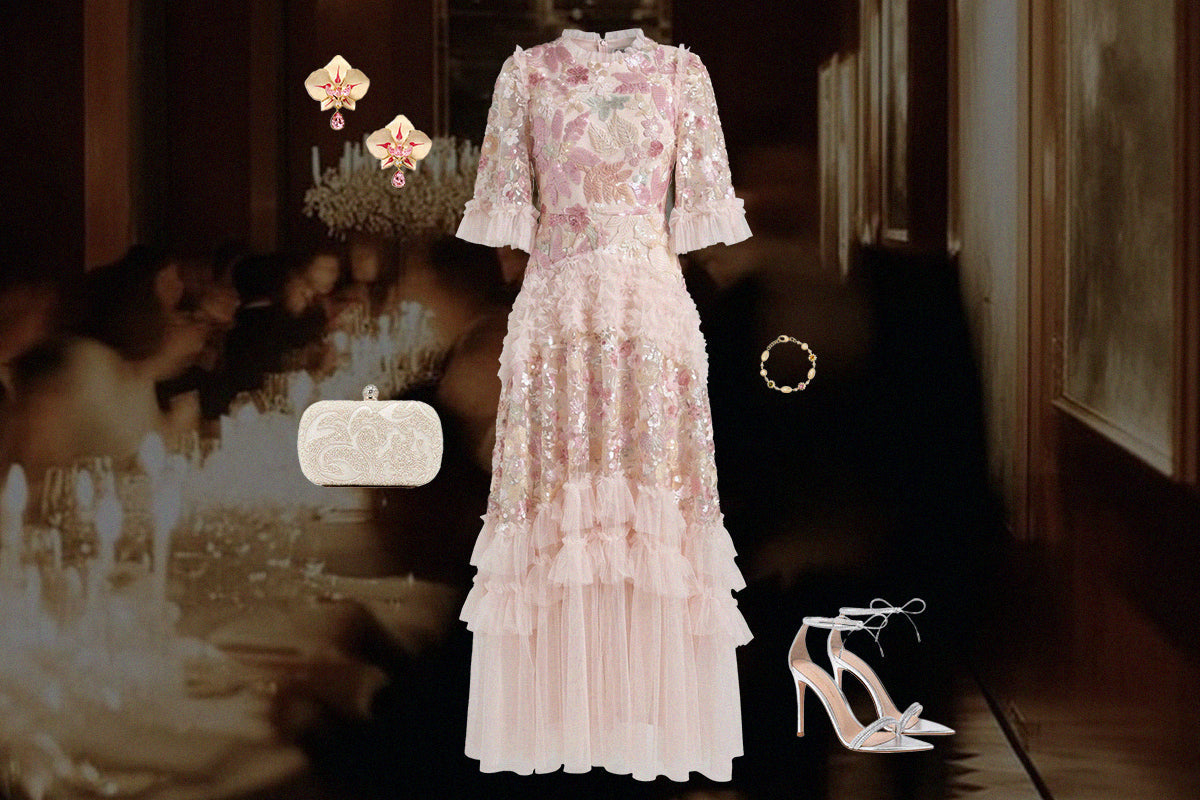
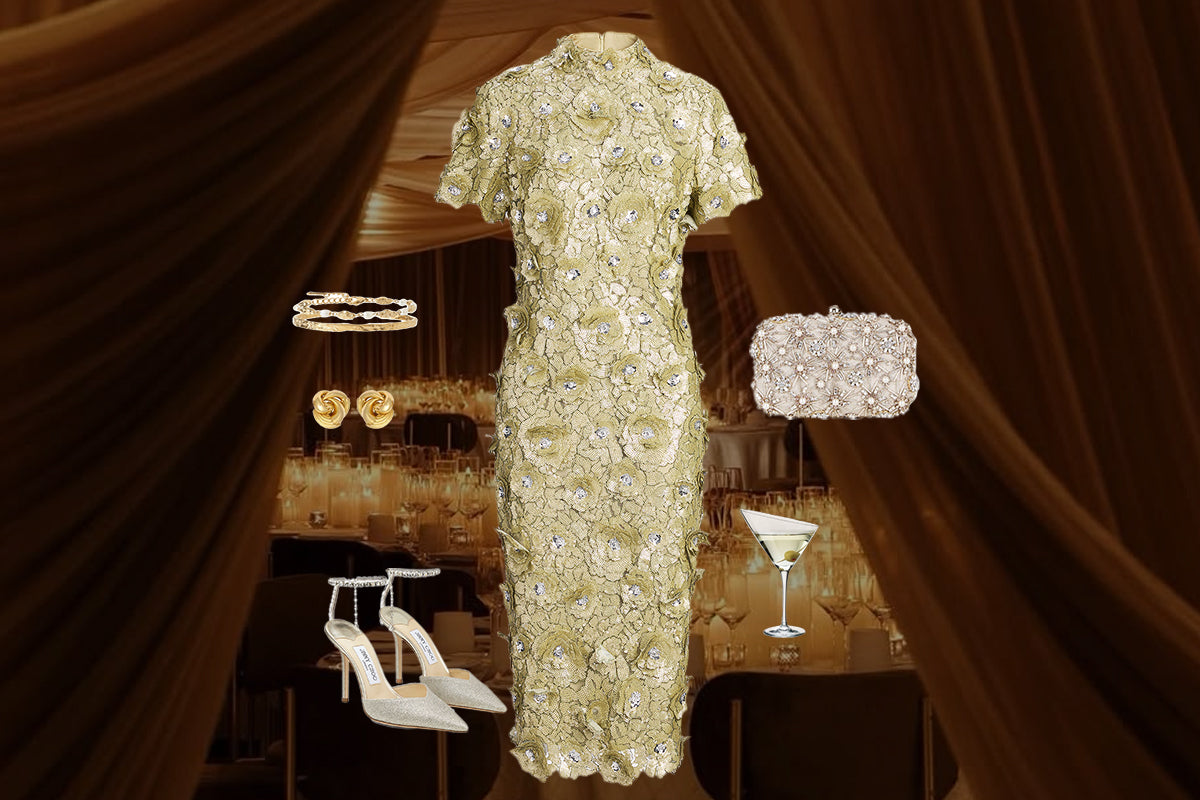
فستان مطرز |
حفلات الاستقبال المسائية |
حافظي على بساطة الإكسسوارات حول القماش المزخرف |
فساتين الكوكتيل للاحتفالات شبه الرسمية
عادة ما تسقط فساتين الكوكتيل عند الركبة، أو تحتها بقليل، أو حول منتصف الساق، اعتمادًا على مدى رسمية المناسبة. إنها مناسبة لحفلات الزفاف في المطاعم، وحفلات الاستقبال في الفنادق، والاحتفالات ذات قواعد اللباس الكوكتيل أو شبه الرسمية.
يمكن أن تبدو القصة البسيطة جاهزة للزفاف من خلال لون غني، أو خط عنق أنيق، أو نسيج خفيف. تأكدي من أن التنورة تظل مريحة أثناء الجلوس وأن خط العنق يبقى ثابتًا عند الحركة.
فساتين طويلة لحفلات الزفاف الرسمية وذات ربطة العنق السوداء
غالبًا ما يكون الفستان الطويل هو الخيار الأكثر تقليدية لحفلات الزفاف الرسمية وذات ربطة العنق السوداء. يمكن أن توفر الفساتين ذات القصة المستقيمة، أو المتسعة بلطف، أو ذات الكشكشة شكلاً أنيقًا دون الحاجة إلى صدرية شديدة التحديد.
جربي الفستان مع الحذاء الذي تخططين لارتدائه بالضبط حتى لا يجر الذيل أو يعلق أثناء المشي. تحققي أيضًا مما إذا كان القماش مريحًا بما يكفي لعدة ساعات، خاصة إذا كان الفستان مبطنًا أو مزينًا.
فساتين بطول الشاي للمناسبات النهارية التقليدية
عادةً ما تسقط فساتين طول الشاي حول منتصف الساق، مما يخلق شكلاً أنيقًا مع لمسة تقليدية أو مستوحاة من الطراز العتيق. وهي تعمل بشكل جيد بشكل خاص لحفلات النهار، وحفلات الزفاف في الكنيسة، والاحتفالات ذات الطابع العتيق.
جربي الفستان مع حذائك المعتزم، حيث أن الحاشية تلفت الانتباه إلى الجزء السفلي من الساق والحذاء. عادةً ما تكمل الأحذية ذات الكعب الخلفي، والأحذية المسطحة الأنيقة، والكعب المنخفض هذا الطول دون أن تجعل الإطلالة تبدو ثقيلة.
فساتين ذات ثنيات للحصول على شكل ناعم وحركة مريحة
تستخدم الفساتين ذات الثنيات الأقمشة المجمعة أو المطوية لإنشاء شكل دون الاعتماد على قصة ضيقة. يمكن أن تضيف الثنيات الجانبية، أو الخصر الملتوي، أو خط العنق المجمع بلطف تحديدًا مع السماح بمرونة أكبر عبر الخصر والوركين.
تحققي من الفستان من الأمام والجانب والخلف، حيث يمكن أن يغير موضع واتجاه الثنيات طريقة سقوط القماش. يجب أن يكون مستويًا وثابتًا في مكانه أثناء الجلوس والمشي.
فساتين مع جاكيت للمراسم التي تتطلب المزيد من التغطية
يجمع فستان الجاكيت بين فستان وجاكيت متناسق، مما يجعله مفيدًا للمراسم الدينية، أو الأماكن الباردة، أو المناسبات التي تكون فيها تغطية الكتفين والذراعين أكثر ملاءمة. يمكن أيضًا إزالة الجاكيت لاحقًا لتناول العشاء أو الرقص.
ابحثي عن جاكيت قصير، أو بدون ياقة، أو بقصة ناعمة يتبع قصة الفستان. تساعد الأقمشة الخفيفة والخطوط الواضحة على أن تبدو المجموعة عصرية، بينما تجعل الطبقة القابلة للإزالة من السهل التكيف بين الحفل والاستقبال.
فساتين مطرزة لحفلات الاستقبال المسائية
يمكن للتطريز، أو الترتر، أو الدانتيل، أو الخيوط المعدنية أن تمنح الفستان لمسة نهائية أكثر رسمية للسهرات. غالبًا ما يبدو التطريز أكثر توازنًا عندما يبرز منطقة واحدة، مثل خط العنق، أو الأكمام، أو الخصر، أو الصدر.
حافظي على مجوهرات بسيطة نسبيًا حتى لا تتنافس مع القماش. تحققي أيضًا من أن الخرز أو الترتر لا يخدش الذراعين، أو يعلق باللفافة، أو يجعل الفستان ثقيلًا بشكل غير مريح.
كيفية تنسيق فستانك مع مكان الزفاف وقواعد اللباس
غالبًا ما يعطي المكان إشارات مفيدة حول القماش، والطابع الرسمي، والأحذية، والتغطية. قد يبدو الفستان الذي يناسب قاعة الرقص بشكل جميل غير عملي على العشب أو الرمل، لذا خذي في الاعتبار كل من الإعداد والدعوة قبل اتخاذ القرار.

فساتين أنيقة لحفلات الزفاف في الفنادق وقاعات الرقص
عادة ما تناسب حفلات الزفاف في الفنادق وقاعات الرقص الأقمشة الأنيقة مثل الساتان، والدانتيل، والمخمل، أو الكريب المحدد. يمكن لفساتين الكوكتيل، وأنماط الميدي الراقية، والفساتين الطويلة أن تعمل جميعها، اعتمادًا على قواعد اللباس.
اختاري التفاصيل التي تظهر بشكل جيد تحت الإضاءة الداخلية والمسائية، مثل الترتر الدقيق، أو خط عنق محدد، أو لون غامق غني. الكعب العالي عملي بشكل عام على الأرضيات الداخلية الملساء أكثر من العشب أو الرمل، ولكن يجب أن يظل مريحًا خلال حفل استقبال طويل.
فساتين ذات تغطية أكبر لمراسم الكنيسة والاحتفالات الدينية
لمراسم الكنيسة أو الاحتفالات الدينية، تحققي من الدعوة أو إرشادات المكان لأي توقعات حول الأكتاف المغطاة، أو خطوط العنق، أو طول الحاشية. يمكن أن يوفر فستان بأكمام، أو فستان جاكيت، أو فستان ميدي مع لفافة خفيفة تغطية مناسبة.
الطبقة القابلة للإزالة مفيدة بشكل خاص عندما يتبع الحفل قواعد لباس أكثر تقليدية ولكن حفل الاستقبال أقل رسمية.
فساتين خفيفة الوزن لحفلات الزفاف في الحدائق وفي الهواء الطلق
غالبًا ما تناسب حفلات الزفاف في الحدائق الشيفون، والجورجيت، والكريب الناعم، والمطبوعات الزهرية الراقية، ولكن يجب أن يكون القماش له وزن كافٍ أو بطانة ليظل سهل التحكم في الهواء الطلق. اختاري تنورة تتحرك بسهولة دون أن تكون واسعة جدًا أو خفيفة الوزن بحيث يصعب التحكم فيها في الرياح.

عادة ما تكون الكعوب العريضة، أو الوتدية، أو الأحذية المسطحة الأنيقة أكثر عملية من الكعوب الرفيعة على العشب. يمكن للجاكيت القصير أو اللفافة أن يساعد أيضًا عندما تنخفض درجات الحرارة لاحقًا في اليوم.
أنماط قابلة للتنفس لحفلات الزفاف على الشاطئ والوجهات
تتطلب حفلات الزفاف على الشاطئ والوجهات أقمشة قابلة للتنفس، وتصميمًا أخف، وأحذية مناسبة للأرض غير المستوية. يمكن أن تعمل فساتين الميدي السائلة، والأنماط ذات الثنيات الناعمة، والفساتين الماكسي خفيفة الوزن بشكل جيد، شريطة أن يتناسب القماش والتشطيب مع قواعد اللباس المحددة.
تجنبي البطانات السميكة، أو التقوية الصلبة، أو الزخرفة التي تضيف وزنًا غير ضروري. الصنادل المسطحة، والودجز المنخفضة، والأقمشة المقاومة للتجاعيد تجعل الزي أسهل في الارتداء والتعبئة.
الخلاصة
تبدأ إطلالة ضيف الزفاف الناجحة بقواعد اللباس والمكان، ثم تتوقف على المقاس، والقماش، والتغطية، والراحة. جربي الفستان مع الحذاء، والملابس الداخلية، والطبقة الخارجية التي تخططين لارتدائها حتى تتمكني من الحكم على الإطلالة الكاملة بدلاً من الفستان بمفرده.
العمر لا يحدد أي قصة أو لون يمكنك ارتداؤه. الخيار الأقوى هو الذي يناسب المناسبة، ويشعرك بالأمان، ويظل مريحًا من الحفل حتى الاستقبال.


اترك تعليقًا
This site is protected by hCaptcha and the hCaptcha Privacy Policy and Terms of Service apply.