

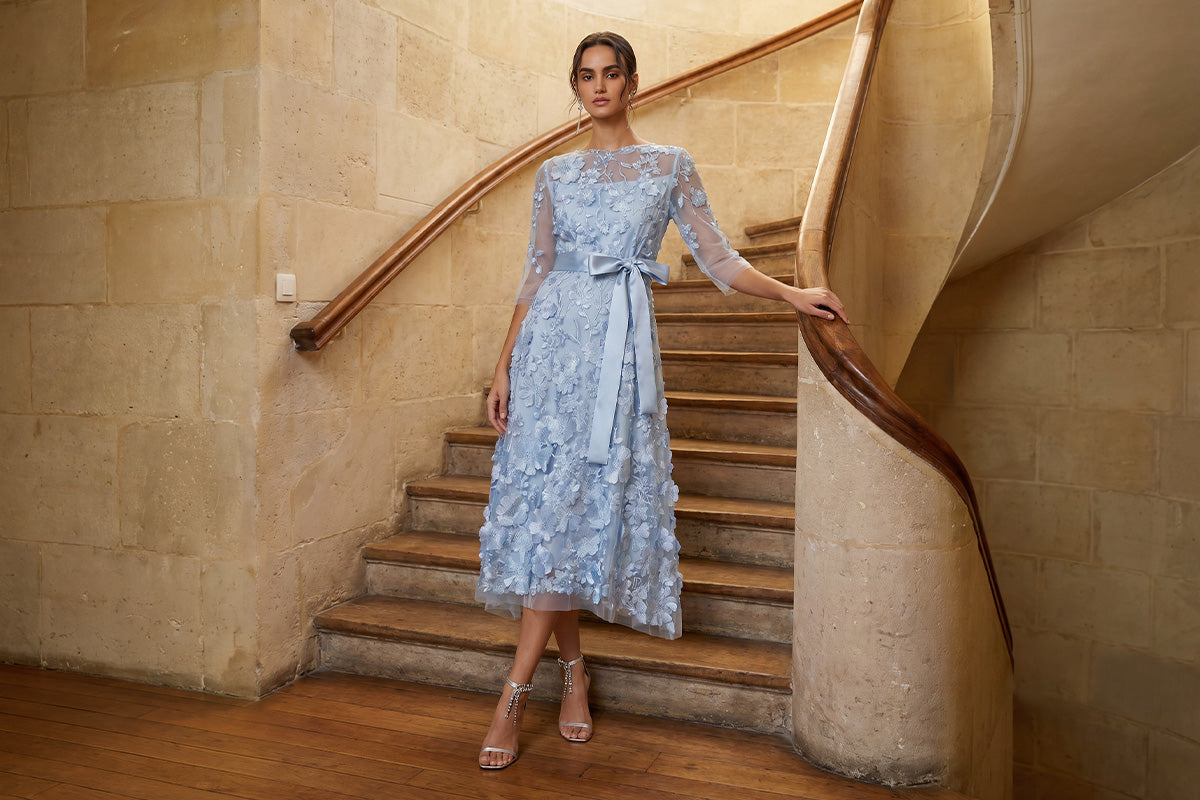
كيف تختارين فستانًا أنيقًا لحفل رسمي بميزانية محدودة دون التضحية بالأناقة
لاختيار فستان مصمم لحدث رسمي بميزانية محدودة، ابدأ بقواعد اللباس، حدد ميزانية إجمالية تتضمن التعديلات والتنظيف، وقم بإعطاء الأولوية للملاءمة والقماش والبناء على الشعارات أو الاتجاهات قصيرة الأجل. ابحث عن القطع المخفضة، والتصاميم متعددة الاستخدامات، والتطريز الآمن، والألوان التي يمكنك ارتداؤها مرة أخرى. عادة ما يبدو فستان بمبلغ 239 دولارًا ذو ملاءمة جيدة أكثر أناقة من فستان باهظ الثمن يتطلب تعديلات واسعة النطاق.
استخدم هذا الإطار السريع قبل التسوق:
- تأكد من قواعد اللباس للحدث، والمكان، والموسم، ووقت البدء.
- احتفظ بـ 10-20% من ميزانيتك للتعديلات أو التنظيف أو الإكسسوارات.
- اختر تصميمًا يتناسب بالفعل مع نسبك.
- افحص البطانة، والدرزات، والسحاب، والحاشية، والقماش، والتطريز.
- اقرأ شروط الإرجاع قبل الشراء - خاصة لفساتين التصفية النهائية.
- احسب التكلفة لكل ارتداء بدلاً من التركيز فقط على السعر.
الهدف ليس ببساطة العثور على أرخص فستان رسمي. بل هو العثور على الخيار الأكثر أناقة وقابلية للارتداء ضمن ميزانية حدثك الكاملة.
اختر فستانًا مصممًا لكل حدث رسمي
يمكن أن يكون الفستان جميلًا ومع ذلك يكون غير مناسب للمناسبة. مطابقة الفستان للرسمية والمكان والحركة المتوقعة يساعدك على تجنب خطأ مكلف.
|
الحدث الرسمي |
الفستان الموصى به |
أفضل المواد |
الأولوية العملية |
|
حفل عشاء رسمي (بلاك تاي) |
فستان طويل يصل إلى الأرض |
ساتان، كريب، مخمل |
تنسدل بأناقة وتناسب الأبعاد الكاملة |
|
زفاف رسمي |
فستان ميدي أو ماكسي |
شيفون، دانتيل، خلطات حرير |
لون مناسب للاحتفال وراحة |
|
استقبال عمل |
فستان ضيق (Sheath) أو بتصميم A-line |
كريب، جاكار، أقمشة بدلات |
تغطية وهيكل مصقول |
|
حفلة مسائية |
فستان كوكتيل أو فستان ميدي أنيق |
ساتان، دانتيل، أقمشة مطرزة |
شخصية بدون رسمية مفرطة |
|
حدث خارجي |
فستان ميدي ثابت أو بطول الكاحل |
مزيج كتان، شيفون، قماش مطوي |
الطقس، الحركة، والتحكم في الحاشية |

حفلات البلاك تاي: فساتين من الساتان، الكريب، أو المخمل
لحفلات البلاك تاي، اختاري فستانًا طويلًا يصل إلى الأرض بلمسة نهائية أنيقة ومقصودة. يعكس الساتان أضواء المساء، ويخلق الكريب خطًا ناعمًا ومريحًا، ويضيف المخمل عمقًا خلال المواسم الباردة.
يمكن أن يبدو الفستان البسيط أكثر أناقة عندما يكون له خط عنق نظيف، ونسب متوازنة، وحاشية منتهية بشكل صحيح. تجنبي إنفاق الميزانية بأكملها على الزخارف الدرامية إذا كان الفستان سيتطلب بعد ذلك تقصيرًا مكلفًا، أو إعادة بناء الصدرية، أو ملابس داخلية خاصة.
للحصول على خيارات أكثر رسمية، تصفح مجموعة فساتين المناسبات الجاهزة للارتداء، والتي تتضمن فساتين مطرزة، وفساتين مطرزة بالترتر، وغيرها من قطع المناسبات الراقية.
أفراح رسمية: فساتين ميدي من الشيفون أو الدانتيل
يجب أن يكون فستان ضيفة حفل الزفاف الرسمي احتفاليًا دون أن يتنافس مع فساتين حفل الزفاف. يوفر الشيفون الحركة، بينما يضيف الدانتيل والتطريز جاذبية بصرية تبدو جيدة في الصور.
الفساتين الميدي عملية بشكل خاص لأنها تناسب الاحتفالات بعد الظهر، وحفلات الاستقبال المسائية، والعديد من المناسبات المستقبلية. ما لم يطلب الزوجان خلاف ذلك، تجنبي الألوان البيضاء والعاجية والألوان التي تشبه فستان الزفاف عن كثب. خذي في الاعتبار المكان أيضًا: قد يناسب الفستان القصير المزخرف بكثافة حفل كوكتيل في المدينة، ولكنه قد يبدو غير عملي في حفل حديقة.
يمكن للقراء الذين ما زالوا يقررون بين الأطوال الرجوع إلى دليل فساتين الميدي مقابل الماكسي.
استقبالات الشركات: فساتين سليم أو A-line منظمة
لاستقبال الشركات، اختاري تصميمًا نظيفًا ومنظمًا، وياقات محكمة، وحافة مريحة عند الجلوس أو التواصل. تعطي فساتين السليم انطباعًا بالدقة، بينما توفر فساتين A-line مساحة أكبر عند الوركين وتسهل الحركة.
الأسود، الكحلي، الأخضر الداكن، العنابي، والمطبوعات الهادئة هي خيارات موثوقة. بدلاً من الاعتماد على الفتحات الجريئة أو اللمعان الزائد، أضف لمسة من الاهتمام من خلال الملمس، التطريز الدقيق، أو خط العنق الهندسي. يجب أن يبدو الفستان احترافيًا دون أن يبدو مطابقًا لملابس المكتب.
لمزيد من النصائح المركزة، راجع هذا الدليل حول الفساتين الرسمية لحفلات الشركات والمناسبات المؤسسية.
الحفلات المسائية: فساتين ميدي وكوكتيل راقية
عادة ما تسمح الحفلات المسائية بجرعة أكبر من الشخصية مقارنة بفعاليات الشركات أو حفلات الزفاف التقليدية. يمكن أن يتميز فستان الكوكتيل الراقي بالخرز، أو الزهور ثلاثية الأبعاد، أو عدم التماثل، أو لون أقوى، بشرط أن تظل الملاءمة العامة مصقولة.
الخيار الأكثر تنوعًا عادة ما يقع بالقرب من الركبة أو منتصف الساق. يمكن إعادة تصفيفه مع أحذية بكعب معدنية للاحتفالات، أو جاكيت مصمم بشكل جيد للاستقبالات، أو مجوهرات بسيطة للعشاء. تعتبر مجموعة فساتين RICHRADIQS مكانًا مفيدًا لمقارنة الفساتين المميزة المطرزة مع أنماط المناسبات الأكثر تنوعًا.
الفعاليات الخارجية: فساتين خفيفة بأطراف ثابتة
تتطلب الفعاليات الرسمية في الهواء الطلق الأناقة والعملية. اختاري مواد قابلة للتنفس، أحزمة آمنة، وحاشية لن تتعرض باستمرار للرياح أو تجر على العشب.
فساتين الميدي، والفساتين ذات القصّة العالية من الأمام والمنخفضة من الخلف، والفساتين بطول الكاحل غالبًا ما تكون أسهل في التعامل معها من الفساتين ذات الذيل الطويل. إذا كنتِ تفضلين الشيفون، فابحثي عن تصميم مبطن بوزن كافٍ. تخلق الكسرات والتنانير ذات القصّة A الناعمة حركة مع بقائها أسهل في التحكم من التنانير الواسعة جدًا.
يمكن أن يعمل مزيج الألياف الطبيعية أيضًا لاحتفالات الطقس الدافئ عندما يظل التصميم أنيقًا. تجنبي الأقمشة الرقيقة جدًا غير المبطنة، والتي قد تصبح شفافة في ضوء الشمس المباشر.
اختاري فستانًا مصممًا لميزانيتك

تشمل ميزانية فستان السهرة المفيدة أكثر من السعر المعلن. أضف الضرائب المحتملة، الشحن، رسوم الإرجاع، التعديلات، التنظيف الاحترافي، الأحذية، وأي ملابس داخلية مطلوبة.
|
ميزانية الفستان |
ما يجب إعطاؤه الأولوية |
أفضل استراتيجية |
ابحث عن |
|
أقل من 200 دولار |
القماش والملاءمة العامة |
التصفية النهائية والتخفيضات الموسمية |
قيود الإرجاع |
|
200–300 دولار |
التنوع والتفاصيل المميزة |
فساتين ميدي وكوكتيل |
الزخارف السطحية الهشة |
|
300–500 دولار |
الحرفية والتشطيب الفاخر |
التطريز، الخرز، فساتين السهرة |
تكاليف التنظيف الأعلى |
قد تتغير الأسعار والتوافر، لذا تأكد من صفحة المنتج الحالية قبل الطلب.
أقل من 200 دولار: فساتين مصممة بتصفية نهائية
غالبًا ما توفر فئة أقل من 200 دولار أقوى التوفيرات عندما تحصل قطع الموسم السابق أو ذات الأحجام المحدودة على تخفيضات نهائية. العيب هو أن سياسة الإرجاع قد تكون مقيدة.
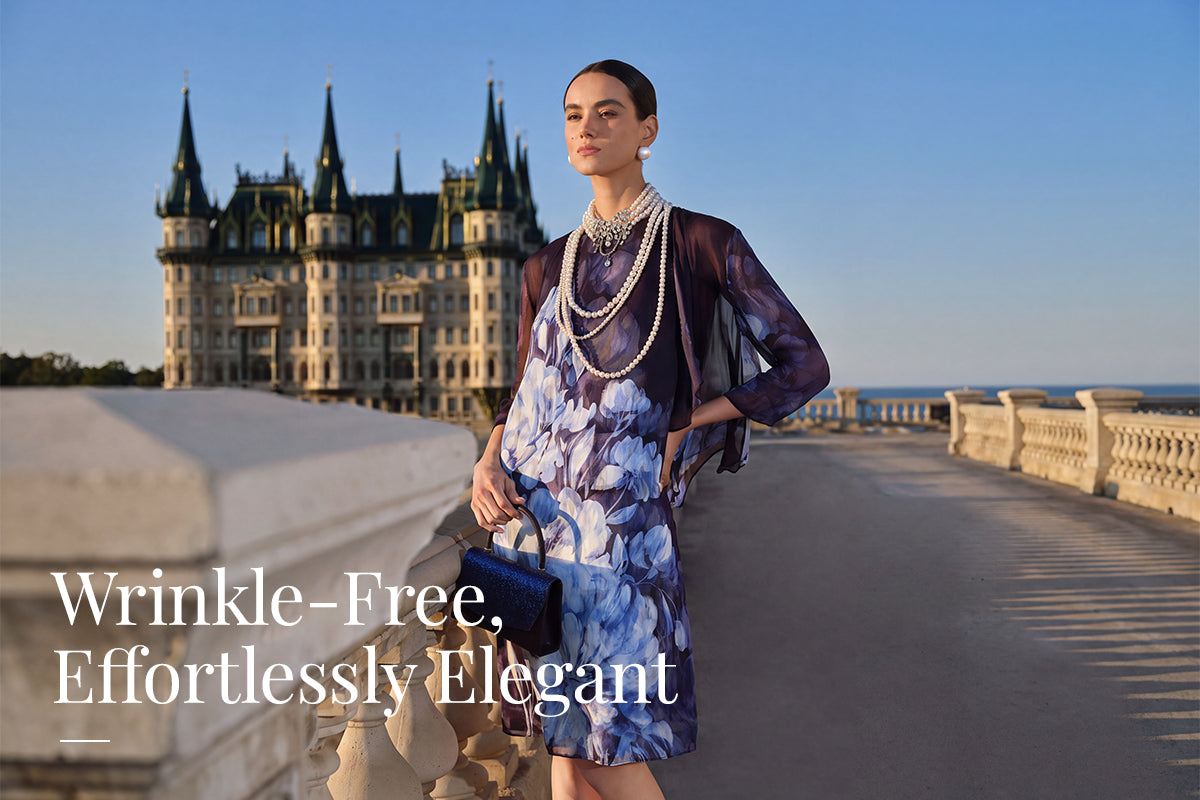
فستان Tencel-Linen Printed Bow Dress من التصفية النهائية مدرج ضمن تشكيلة تخفيضات موسم الزفاف بسعر 199.50 دولارًا وقت كتابة هذا النص. يجعله تصميمه المطبوع وتفاصيله المقوسة أكثر تميزًا من الفستان الأساسي، بينما تركيبته من التينسل والكتان مناسبة لمناسبات الطقس الدافئ.
قبل شراء أي قطعة من التصفية النهائية:
- قارني مقاسات جسمك بجدول المقاسات.
- تأكدي مما إذا كانت "التصفية النهائية" تسمح بالتبديل أو رصيد المتجر.
- تحققي من تركيبة القماش ومتطلبات العناية.
- تأكدي من أن اللون والطباعة يناسبان مناسبتين مستقبليتين على الأقل.
- ضعي في الحسبان تكلفة الخياطة المحتملة في سعر الشراء الحقيقي.
200–300 دولار: فساتين رسمية مفصلة ومتنوعة
تُعد هذه الفئة نقطة وسط عملية للمتسوقين الذين يرغبون في تفاصيل لا تُنسى دون الدخول في أسعار فساتين السهرة الكاملة. ابحثي عن الحرفية التي تتركز في المناطق المرئية مثل خط العنق، أو الصدر، أو التنورة بدلاً من الزخرفة المضافة دون غرض تصميمي واضح.
يجمع فستان الزهور ثلاثي الأبعاد المحدود المصنوع يدويًا بالخرز، والمدرج بسعر 239 دولارًا وقت كتابة هذا النص، بين قاعدة سوداء كلاسيكية وتطريز زهري ثلاثي الأبعاد. يمنح التباين نقطة محورية واضحة، مما يجعله مناسبًا لحفلات الكوكتيل، والاحتفالات، والاستقبالات المسائية.
نظرًا لأن التصميم معبر بالفعل، فإنه لا يحتاج إلى الكثير من الإكسسوارات. يمكن للأحذية البسيطة ذات الكعب العالي والأقراط الصغيرة أن تكمل الإطلالة، مما يقلل من المبلغ الذي يجب أن تنفقه في أماكن أخرى.
300-500 دولار: تطريز فاخر وفساتين سهرة
بين 300 و 500 دولار، توقعي تطريزًا أكثر تطورًا، وتفاصيل مطبقة يدويًا، وبطانة أقوى، أو تصميمًا أكثر رسمية. السعر مبرر فقط عندما تكون التفاصيل آمنة والفستان مناسبًا لأكثر من مناسبة.
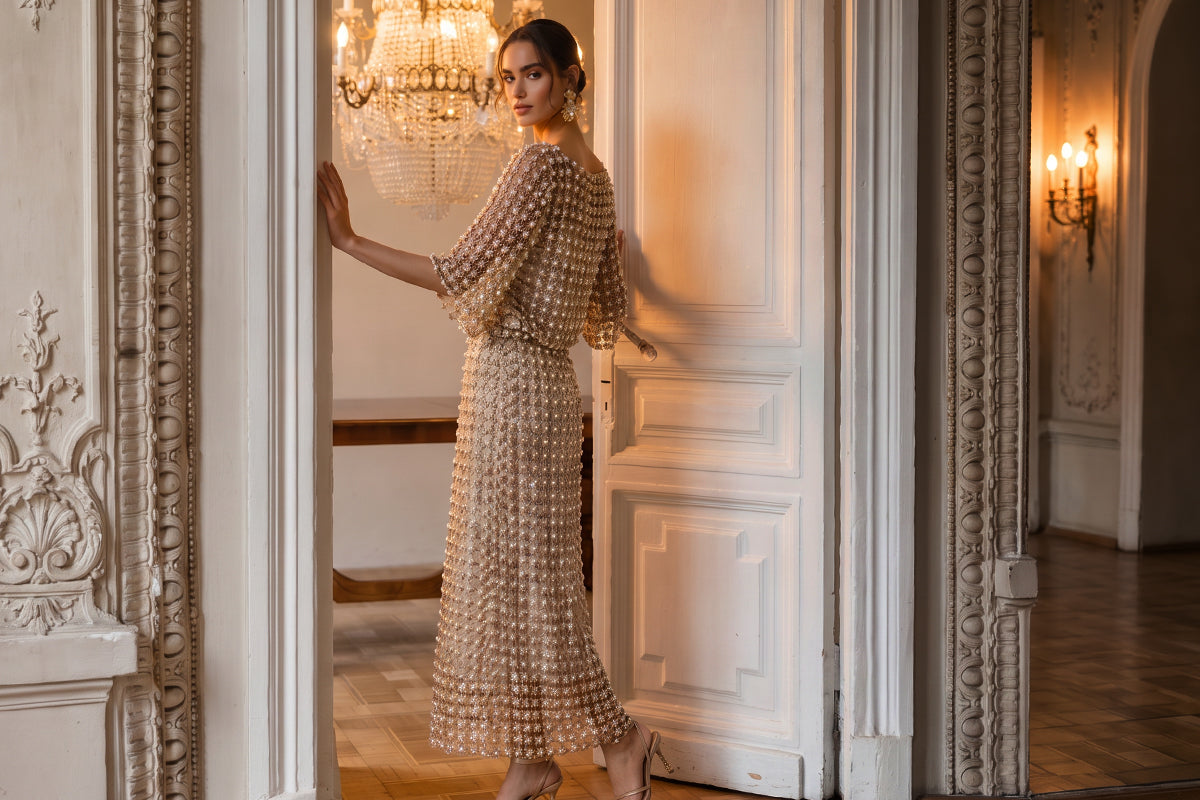
يتميز الفستان المطرز يدويًا بالخرز، والذي يبلغ سعره 339 دولارًا وقت كتابة هذا النص، بتطريز نباتي، وزخارف مطرزة بالخرز يدوياً على خط العنق، وبطانة، وقصة طويلة ضيقة. كما أن تصميمه متوسط الوزن يجعله أقل تقييدًا موسميًا من فستان صيفي خفيف جدًا.
يمكن أن يكون تصميم مثل هذا بمثابة فستان ضيفة زفاف، أو إطلالة عشاء خاصة، أو فستان مناسبات عطلة، أو زي احتفالي أنيق. هذا التنوع يحسن من تكلفته لكل ارتداء.
اختاري قصة تقلل من التعديلات
يمكن أن تحول التعديلات صفقة واضحة إلى شراء مكلف. عادة ما يكون الفستان الأقل تكلفة هو الذي يناسب الكتفين والصدر والخصر قبل الخياطة.
قصات قابلة للتعديل: فساتين لف وفساتين ذات خصر إمبراطوري
تسمح فساتين اللف ببعض التحكم في الخصر والصدر، مما يجعلها مفيدة عندما تقع القياسات بين الأحجام القياسية. تناسب فساتين الخصر الإمبراطوري تحت الصدر وتنساب على منطقة الوسط، مما يقلل الحاجة إلى خياطة دقيقة للخصر.
ومع ذلك، تأكدي من أن ياقة اللف تبقى آمنة عند الجلوس والتحرك. قد يكون وجود زر كبس مخفي أو قطعة قماش صغيرة للحشمة تحسينًا بسيطًا وغير مكلف.
أشكال متوازنة: فساتين A-Line وفساتين ذات قصة ضيقة من الأعلى وواسعة من الأسفل
تعد قصات الـ A-line والقصات الضيقة من الأعلى والواسعة من الأسفل من أكثر الخيارات أمانًا عند الشراء عبر الإنترنت لأنها تتطلب ملاءمة أقل دقة عند الوركين والفخذين. كما أنها توازن الكتفين والخصر، مما يخلق شكلاً واضحًا دون الشعور بالتقييد.
أعطِ الأولوية للصدريّة المناسبة. قد تكون خياطة جانبية قابلة للإدارة، ولكن إعادة بناء الأكتاف أو فتحات الذراعين أو صدرية مطرزة بكثافة قد يكون مكلفًا.
قصّات انسيابية: فساتين عمودية وضيقة
تخلق فساتين العمود والفساتين الضيقة خطًا رسميًا أنيقًا، لكنها تتطلب قياسات أكثر دقة. تحققي من مقاس الصدر، والخصر، والأرداف، وطول الثوب بدلاً من الشراء وفقًا لحجمك المعتاد فقط.
يعد القماش مهمًا أيضًا. الفستان الضيق غير القابل للتمدد يحتاج إلى مساحة كافية للجلوس والمشي. إذا وصف المنتج القماش بأنه صلب أو غير قابل للتمدد، فاختاري المقاس وفقًا لأكبر قياس ذي صلة.
نسب الفساتين الصغيرة والطويلة
يجب على المتسوقات صغيرات الحجم فحص مكان وقوع الخصر وخط العنق وتفاصيل التنورة – وليس فقط طول الحاشية. تقصير حاشية عادية أمر بسيط نسبيًا؛ أما تقصير حافة مطرزة أو تحريك خياطة الخصر فليس كذلك.
يجب على المتسوقات طويلات القامة التأكد من قياسات الكتف إلى الخصر والكتف إلى الحاشية. قد يبدو الفستان الذي يكون طويلاً بما فيه الكفاية من الناحية الفنية غير متناسب إذا كان الخصر مرتفعًا جدًا. يوفر هذا الدليل حول الفساتين الرسمية للقصيرة نصائح إضافية تركز على النسب.
تحديد الجودة الحقيقية والقيمة على المدى الطويل

الجودة تظهر في كيفية سلوك الفستان، وليس فقط في علامته التجارية. يجب أن ينسدل الفستان الرسمي القوي بالتساوي، ويبقى مريحًا، ويصمد لعدة مرات من الارتداء مع العناية المناسبة.
البطانات، الدرزات، السحابات، والحاشيات
افحصي الفستان — أو كبّري صور المنتج — وتحققي من:
- تغطي البطانة المناطق التي قد تكون شفافة أو مزعجة.
- تكون الدرزات مسطحة بدون تجعد.
- يعمل السحاب بسلاسة ومثبت بإحكام.
- تتطابق اللوحات المنقوشة قدر الإمكان.
- تكون الحاشية متساوية ومناسبة للتعديل.
- لا تظهر خيوط فضفاضة حول نقاط الإجهاد.
يجب أن تدعم البطانة النسيج الخارجي دون سحبه. بالنسبة للفساتين الضيقة، قد يحسن قدر قليل من الإيلاستين في البطانة الراحة.
وزن القماش، انسداله، وراحته
الجودة العالية لا تعني دائمًا قماشًا ثقيلًا. بل تعني أن الوزن مناسب للتصميم. يجب أن يتحرك الشيفون دون أن يبدو مرتخيًا، ويجب أن ينسدل الساتان دون شد مفرط، ويجب أن يحافظ الكريب المنظم على خطوط واضحة.
اقرئي ملاحظات التركيب والملاءمة بعناية. قد يوفر القماش متوسط الوزن استخدامًا أكبر على مدار العام، بينما يتطلب النسيج غير المرن قياسًا أكثر دقة. إذا أمكن، اختبري ما إذا كان الفستان يسمح بالجلوس ورفع ذراعيك وخطوة كاملة.
جودة الخرز، الدانتيل، والتطريز
الزخرفة الجيدة تتبع شكل الثوب بدلاً من تشويهه. يجب أن تكون الخرزات موزعة بالتساوي ومثبتة بإحكام؛ يجب ألا ينتج عن التطريز تجعيدات شديدة؛ يجب أن تبدو زخارف الدانتيل موضوعة عن قصد.
تحققي مما إذا كانت الزخارف مستمرة عبر المناطق المرئية وما إذا كانت الخرزات البديلة متضمنة. للتخزين طويل الأجل، تجنبي تعليق فستان ثقيل جدًا مرصع بالخرز بواسطة أحزمة الكتف الضيقة لأن الوزن قد يمد الثوب.
ألوان متعددة الاستخدامات وتكلفة لكل ارتداء
متعدد الاستخدامات لا يعني بالضرورة أسود. يمكن أن تعمل الألوان الخضراء الداكنة، والكحلية، والعنابية، والألوان المعدنية المحايدة، والنماذج الزهرية الراقية عبر الفصول.
استخدم هذا الحساب البسيط:
التكلفة لكل ارتداء = إجمالي تكلفة الملكية ÷ العدد المتوقع للارتداء
يكلف فستان بقيمة 339 دولارًا يرتدى ست مرات 56.50 دولارًا لكل ارتداء قبل التنظيف. ويكلف فستان بقيمة 160 دولارًا يرتدى مرة واحدة 160 دولارًا لكل ارتداء. وبالتالي، يمكن أن يمثل السعر الأولي الأعلى قيمة أفضل عندما يكون الثوب مريحًا وقابلًا للتكيف ومتينًا.
تكاليف التنظيف والإصلاح والتعديل
تحققي من ملصق العناية قبل الشراء. قد تتطلب الفساتين المطرزة بالخرز والدانتيل والمخمل والفساتين ذات التصميم المنظم تنظيفًا متخصصًا. اطلبي تقديرًا من خياط أو منظف محلي عندما يكون التصميم معقدًا بشكل غير عادي.
ضعي في الاعتبار هذه التكاليف المحتملة:
- تعديل الحاشية أو الحمالات
- تعديلات الصدرية
- كي احترافي
- تنظيف متخصص
- إعادة تثبيت الخرز أو الزخارف
- تخزين مناسب
هذه المصاريف لا تجعل الفستان ذا قيمة رديئة تلقائيًا، ولكن يجب أن تكون جزءًا من القرار – لا مفاجأة غير مرحب بها بعد الشراء.
الخلاصة
الفستان المصمم المناسب للميزانية هو الذي يناسب المناسبة، ويتناسب مع مقاساتك، ويظهر جودة بناء حقيقية، ويمكن ارتداؤه مرة أخرى. ابدئي بقواعد اللباس، واختاري قصة لا تتطلب الكثير من التعديلات، وحكّمي على القماش والتشطيب بعناية أكبر من العلامة التجارية.
يمكن أن يوفر التسوق في التخفيضات قيمة ممتازة، ولكن فقط عندما تكون قيود المقاسات والإرجاع مفهومة. للحصول على نقطة انطلاق أوسع، قارني الخيارات الرسمية في مجموعة فساتين المناسبات الجاهزة للارتداء واستخدمي مدونة RICHRADIQS للأزياء لتخطيط إطلالاتك لمناسبات محددة.


اترك تعليقًا
This site is protected by hCaptcha and the hCaptcha Privacy Policy and Terms of Service apply.