

A-Line Floral Dresses for Women: How to Choose the Right Style
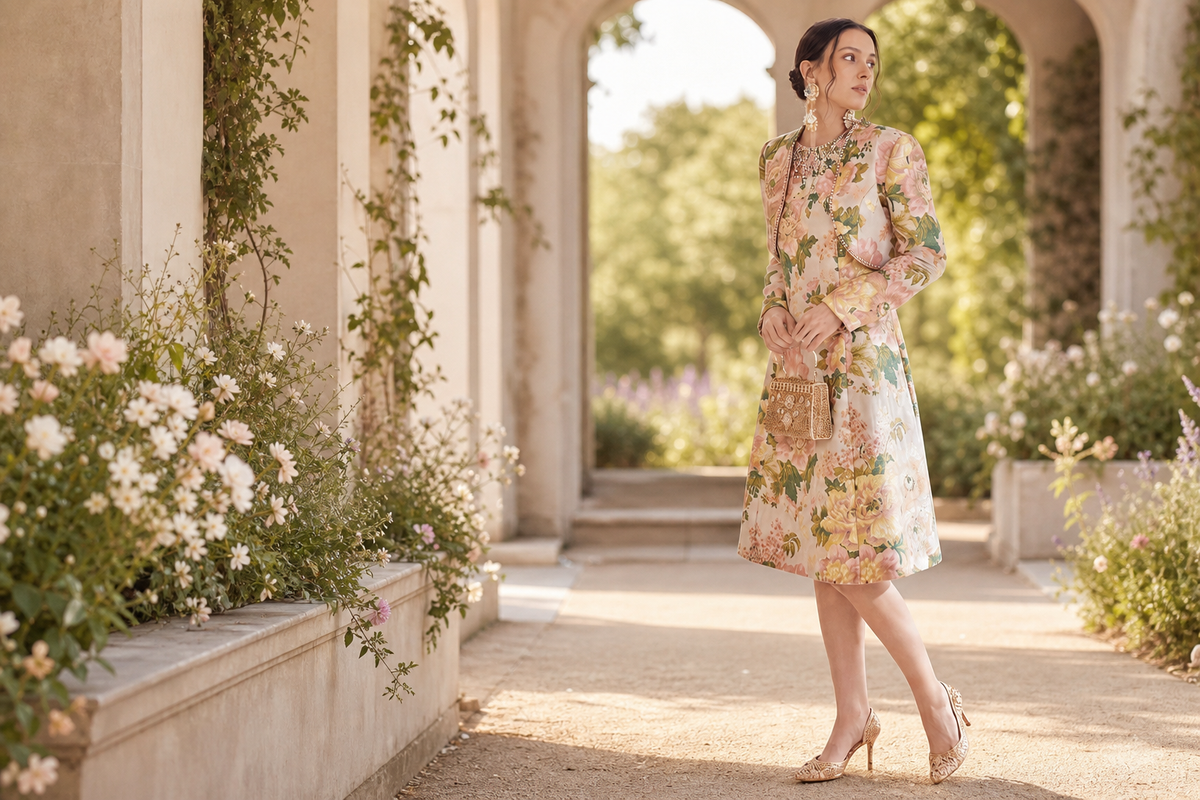
An A-line floral dress combines a bodice that sits closer to the upper body with a skirt that gradually widens toward the hem. The floral pattern adds another design variable: its size, placement, color contrast, and density can change where the eye travels across the dress.
To select the right style, consider the skirt structure and floral design together. Then compare the dress length, neckline, sleeves, fabric, and event requirements before making a final decision.
Understand the Shape of an A-Line Floral Dress
Identify Where the Skirt Begins to Flare
An A-line skirt becomes wider as it moves toward the hem, but the flare can begin at different points. Some dresses widen directly below the waist, while others remain relatively close through the upper hip before expanding.
A higher flare point can create more skirt volume and allow additional room around the hips. A lower flare point produces a straighter upper section and a more restrained A-line shape. Neither structure is automatically more suitable; the right choice depends on the fit and appearance you prefer.
Look at the front, side, and back product photographs. The skirt should form a gradual outward line rather than the highly fitted upper section and dramatic lower flare associated with a mermaid dress.
Compare Structured and Flowing A-Line Silhouettes
Fabric behavior affects how clearly the A-line shape appears. A structured fabric may hold the skirt away from the body, creating a defined outline. A softer fabric may fall closer to the body and reveal its A-line form mainly while the wearer walks.
Consider where you plan to wear the dress. A structured silhouette can create a polished effect for ceremonies and formal daytime events. A flowing dress may feel more relaxed for vacations, garden gatherings, or occasions that involve more walking.
When browsing Rich Radiqs women’s dresses, compare the stated fabric weight, stretch, lining, and fit rather than judging structure from photographs alone.
Consider How the Floral Pattern Changes the Overall Look
Floral decoration may be printed, woven, embroidered, beaded, or applied to the surface. These methods can create very different visual and practical results.
An all-over print distributes color across the entire silhouette. Placed embroidery can draw attention to a neckline, waist, sleeve, or hem. Beaded flowers add surface texture and light reflection, while tonal motifs produce a quieter effect.
Utah State University Extension’s discussion of design principles for clothing and textiles explains that color, pattern, texture, repetition, and decorative details affect emphasis, rhythm, proportion, and visual balance. This makes floral placement as important as the A-line cut itself.
Select the Right Floral Print

Choose Between Small, Medium, and Oversized Florals
Small florals create a relatively continuous surface when viewed from a distance. They can work well when you want the pattern to function almost like texture rather than become the main feature of the outfit.
Medium motifs are easier to distinguish while still allowing the pattern to repeat across the dress. Oversized florals create stronger points of emphasis and may make accessories less necessary.
Print size should not be selected according to rigid body-type rules. Instead, consider the effect you want:
- Choose smaller motifs for a quieter, detailed appearance.
- Use medium florals when you want a balanced and clearly recognizable print.
- Select oversized flowers when the dress itself should provide the main statement.
Also examine the spacing. Widely separated flowers create more visible background, while densely arranged motifs produce a busier surface.
Compare All-Over Prints With Placed Floral Details
An all-over floral pattern repeats across the bodice and skirt, making the complete garment feel cohesive. It can be easy to style because accessories only need to coordinate with one of the existing colors.
Placed florals are concentrated in specific areas. A floral border around the hem emphasizes the lower part of the A-line skirt, while embroidery around the neckline brings attention toward the face. A motif positioned at the waist can make that seam more noticeable.
The Rich Radiqs Embroidered Cutout A Line Dress illustrates a placed-decoration approach. Its current product page describes a long, non-stretch A-line dress with textured fabric, floral embroidery, a back zipper, and a polyester lining. Those facts apply specifically to this product and should not be assumed for every embroidered A-line dress.
Coordinate the Background Color With the Occasion
The background color often has more influence on the outfit’s formality than the flowers themselves.
Light backgrounds such as ivory, blush, pale blue, or soft green can work well for daytime celebrations and garden settings. Dark backgrounds such as navy, black, burgundy, or deep green can move a floral dress toward evening wear.
Contrast also matters. Pastel flowers on a similarly pale ground create a blended appearance. Bright flowers against black or navy create stronger separation and may require simpler accessories.
For a wedding, read the invitation and consider the time, venue, and stated dress code before choosing colors. Avoid any design that could be mistaken for bridal attire, particularly when white or ivory occupies most of the dress.
Match the Dress Length to the Setting

Wear Knee-Length Styles for Casual Daytime Events
Knee-length A-line floral dresses can suit brunches, daytime parties, vacations, and other relaxed gatherings. Their shorter skirts keep the A-line shape compact and leave the shoes clearly visible.
Because the hem sits near the knee, review the dress while standing, sitting, and walking. A skirt that appears suitable while standing may feel noticeably shorter when seated.
The shoes will also have a stronger presence than they would beneath a long dress. Flats, loafers, low heels, and refined sandals can all work, depending on the season and event.
Choose Midi A-Line Dresses for Versatile Occasions
A midi A-line floral dress generally ends between the knee and ankle. This length can move between daytime and evening settings with relatively small accessory changes.
A dress ending around the lower calf leaves the shoes visible but creates more coverage than a knee-length style. An ankle-skimming midi may look similar to a short maxi, so consult the garment measurements rather than relying only on the product category.
You can compare current options in the Rich Radiqs midi dress collection. Review each product individually because sleeve length, waist placement, fabric, lining, and garment length vary by design.
Consider Maxi Styles for Formal or Evening Events
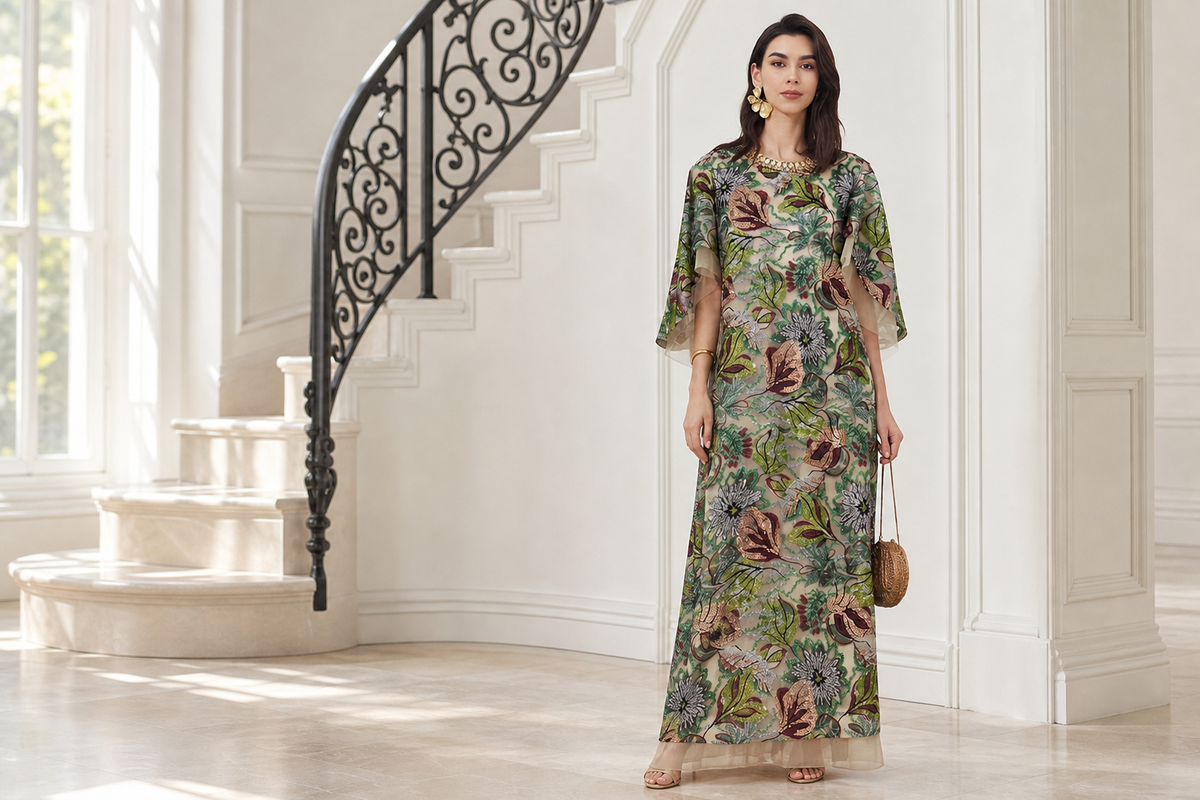
A maxi A-line dress extends to the ankle or toward the floor, allowing the skirt to create a more expansive silhouette. Floral maxi dresses can work for formal celebrations when their fabric, details, and accessories match the stated dress code.
Length alone does not make a dress formal. A simple printed cotton-style maxi may remain casual, while a lined dress with embroidery or structured detailing may feel more appropriate for a special event.
Try the dress with the exact shoes you intend to wear. The hem should maintain the desired long appearance without becoming caught beneath the heel.
Evaluate the Neckline, Sleeves, and Fabric

Select a Neckline for the Coverage You Prefer
The neckline determines how much skin, jewelry, and upper-body detail remains visible.
A V-neck creates open space above the bodice and can accommodate a pendant or simple earrings. A crew or mock neckline provides more coverage and may work better when the dress already has prominent floral embroidery. Square and scoop necklines leave room for shorter necklaces but can compete with densely decorated bodices.
Base the decision on comfort, undergarment coverage, and the event—not on promises that one neckline works universally for a particular body shape.
Match Sleeve Length to the Season and Venue
Sleeveless A-line floral dresses can work for warm-weather occasions or indoor events. Short sleeves add modest coverage without substantially changing the dress’s light appearance.
Three-quarter and long sleeves can suit transitional seasons, religious venues, evening events, or occasions where more coverage is preferred. However, sleeves made from sheer mesh do not provide the same warmth as opaque fabric.
If the ceremony or venue may have specific expectations, carry a jacket, wrap, or other appropriate layer. Confirm that the outer layer fits comfortably over any embroidery, ruffles, or voluminous sleeves.
Review the Lining, Stretch, and Fabric Weight
Two floral A-line dresses with similar photographs may feel very different when worn. Lining affects coverage and how the skirt hangs. Stretch influences fit flexibility, while fabric weight changes how much the skirt holds its shape.
Review the following product information before ordering:
- Shell and lining composition
- Stretch or non-stretch description
- Closure type
- Garment length
- Waist and hip measurements
- Included belts or removable layers
- Care instructions
Rich Radiqs advises using the chart provided for each individual product. Consult the Rich Radiqs size guide and model information, then compare the product measurements with a similar dress that already fits you.
Style an A-Line Floral Dress for Different Occasions
Create a Relaxed Daytime Outfit
For a daytime outfit, let the floral pattern establish the color direction. Select shoes and a bag in one of the quieter colors from the dress rather than matching the brightest flower exactly.
A lightweight cardigan, cropped jacket, or simple blazer can provide coverage while keeping the widening skirt visible. If the dress has a defined waist, an outer layer ending near that point will usually preserve the A-line outline more clearly than a long, bulky layer.
Keep jewelry restrained when the neckline or bodice already contains embroidery, beads, or dimensional flowers.
Dress for a Wedding or Garden Party
An A-line floral dress can be appropriate for a wedding or garden party when it matches the invitation, venue, time, and level of formality.
The Emily Post Institute recommends using the invitation and time of the wedding as primary indicators of formality while also considering the ceremony, culture, and local customs. Its wedding guest attire guide distinguishes among daytime, evening, informal, semiformal, and formal expectations.
For a daytime garden wedding, a midi floral dress with refined shoes may be sufficient. A formal evening wedding may call for a longer dress, elevated fabric, or more polished surface detailing. Explore the Rich Radiqs wedding guest collection, but verify each dress against the invitation rather than assuming every product suits every wedding.
Adapt the Dress for Dinner or an Evening Event
A floral A-line dress can move into evening through color, texture, and accessories. Darker grounds, metallic details, embroidery, or light-reflective embellishment generally create more visual impact under evening lighting.
Replace daytime sandals or flats with refined heels, dressy flats, or sleek boots appropriate to the season. Add a compact bag and jewelry that repeat one finish already present in the dress.
Avoid adding several competing details. When the dress includes oversized florals, a decorated neckline, or beading, simpler accessories usually allow those features to remain visible.
Conclusion
The right A-line floral dress is determined by more than the presence of flowers. First examine where the skirt begins to widen and how the fabric holds or releases that shape. Then evaluate the scale and placement of the floral design, dress length, neckline, sleeves, lining, and event requirements.
Use product-specific measurements and fabric details to narrow the options. If essential information about the size, lining, fabric, or included accessories is unclear, contact Rich Radiqs customer service before ordering.


اترك تعليقًا
This site is protected by hCaptcha and the hCaptcha Privacy Policy and Terms of Service apply.